LIFESTYLE
Chanakya Niti: Remaining silent on every matter is not wise; these 5 signs indicate when silence begins to cause harm..

Chanakya Niti: Many believe that speaking less is a sign of wisdom. While this is largely true, what happens when this very silence begins to harm your personality, relationships, and rights? Acharya Chanakya outlined various aspects of life in his teachings that remain as relevant today as they were centuries ago. He believed that while constant talking is not wise, remaining silent in every situation is not appropriate either. Often, by failing to voice their views, individuals place themselves in a vulnerable position.
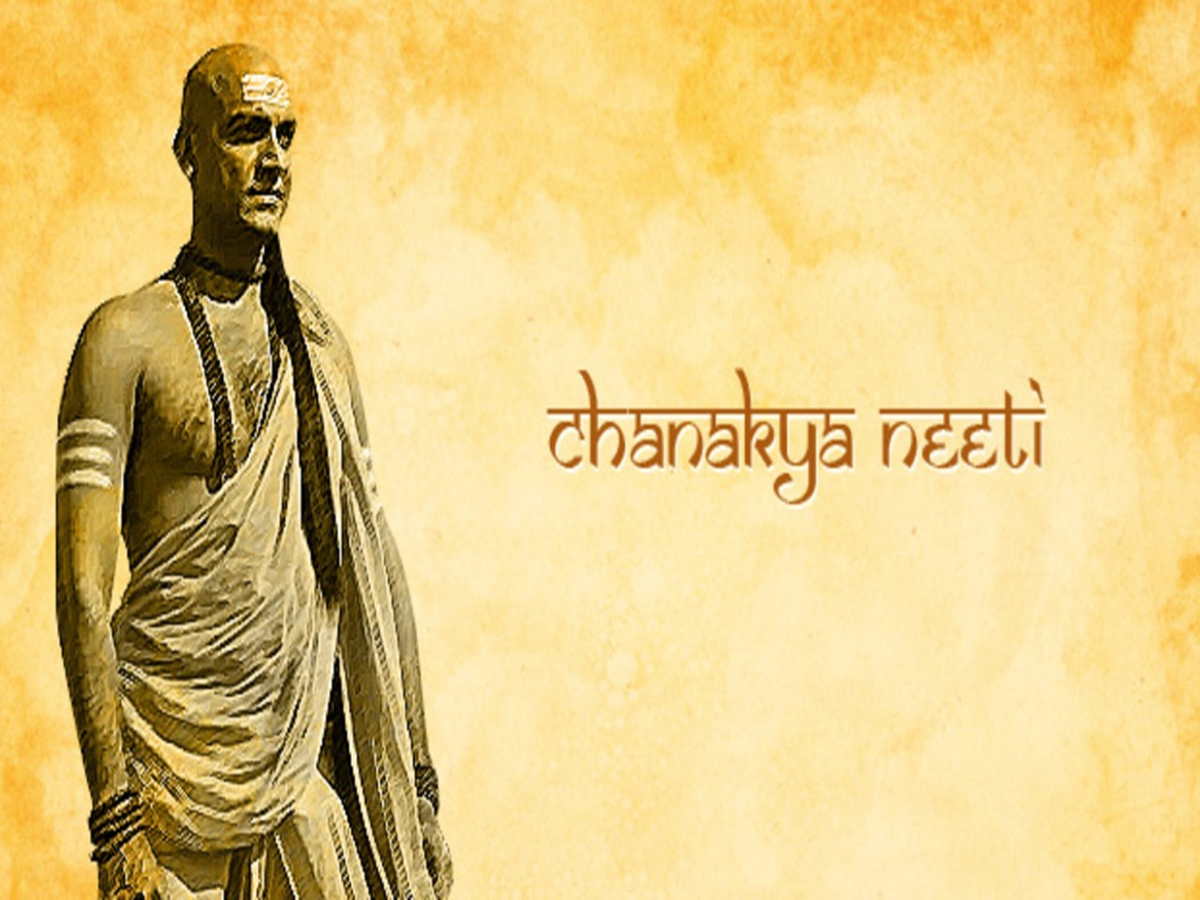
This is especially true when others stop valuing your opinion, begin making decisions on your behalf, or take credit for your hard work. Such signs indicate that your habit of silence is working against you rather than in your favor. Let us explore five such signs mentioned in Chanakya Niti that require timely attention.
When people stop asking for your opinion
Your presence in a family, friend group, or workplace is considered impactful only when others value your words. However, if people gradually stop seeking your advice or asking for your opinion on issues, it serves as a warning sign. Constant silence can lead others to perceive that you lack interest in the subject or do not have a clear perspective. In daily life, we often see employees who remain silent during meetings being excluded from important discussions. According to Chanakya, voicing one's thoughts at the right moment strengthens both an individual's identity and the respect they command.
When others start making decisions for you
When your likes and dislikes are disregarded
If others have begun making decisions—whether big or small—regarding your life without valuing your wishes, your silence could be a contributing factor. When a person does not express their opinion, those around them may assume that the outcome of the decision does not matter to that individual. Over time, this situation can lead to your rights and priorities being sidelined. Therefore, it is considered essential to express one's preferences and disagreements respectfully.
When people stop understanding your emotions
There are moments in everyone's life when they need to share their troubles, sorrows, or grievances with someone. However, some people bottle up every emotion inside. While this habit might seem normal initially, in the long run, it can create distance in relationships.
Misunderstandings can grow in relationships.
When you do not express your emotions, the other person fails to understand your state of mind. Consequently, misunderstandings begin to arise. Chanakya believed that sharing important matters with the right person strengthens relationships and alleviates the burden on one's mind.
When someone else starts taking credit for your hard work
In the workplace, it is often observed that one person puts in the hard work, yet someone else receives the recognition. Often, this happens because the person doing the work never speaks openly about their contribution. According to Chanakya Niti, while humility is a virtue, completely concealing one's achievements can prove detrimental. If you do not clarify your role in the work, it becomes easy for others to overlook it. This does not mean engaging in self-praise, but rather presenting your contribution appropriately.
When you stop opposing what is wrong
Silence is mistaken for consent
This is perhaps one of the most serious signs. If a wrong act is taking place in your presence and you remain silent every time, people may interpret your silence as support or consent. Chanakya firmly believed that remaining silent in the face of injustice can harm not only the individual but society as a whole. Whether in the workplace, within the family, or in social life, it is essential to oppose wrongdoing and state your views clearly.
Acharya Chanakya’s teachings do not advocate for constant talking; his message is rooted in balance. Exercise patience where necessary, but it is equally important to raise your voice when your identity, rights, feelings, or dignity are at stake. Often, a single word spoken at the right moment proves far more impactful than prolonged silence.
PC Social Media