LIFESTYLE
Chaturmas: With deities asleep during Chaturmas, will fasting and worship not take place? What are the rules?
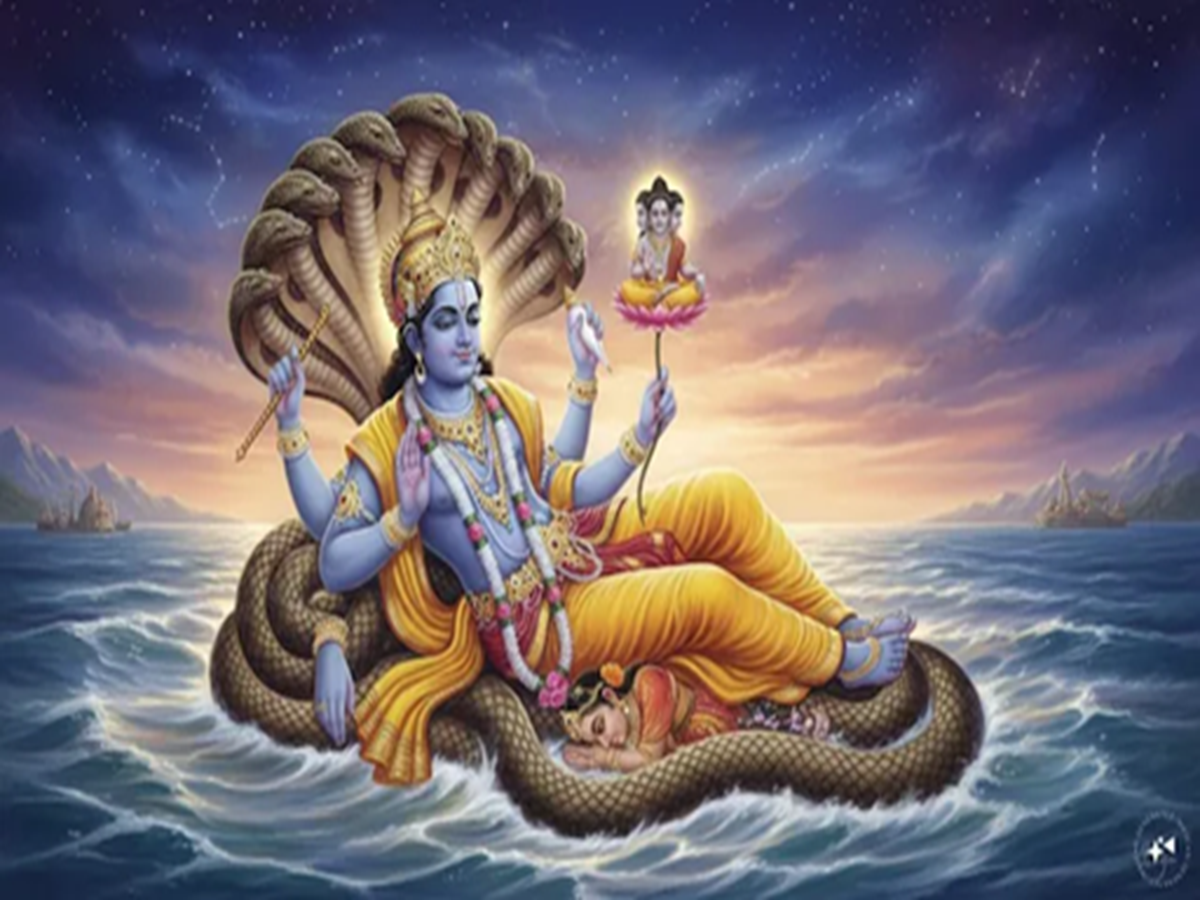
Chaturmas 2026 Puja Rules: Devshayani Ekadashi falls on the eleventh day (Ekadashi) of the bright fortnight (Shukla Paksha) of the Ashadha month. Chaturmas begins on this day, marking the time when Lord Vishnu—the preserver of the universe—enters a state of cosmic slumber (*Yoga Nidra*). According to the Hindu calendar, the four months extending from Ashadha Shukla Ekadashi to Kartik Shukla Ekadashi is considered the time when deities rest; consequently, no auspicious ceremonies—such as weddings, tonsure ceremonies (*Mundan*), housewarming rituals (*Griha Pravesh*), the commencement of construction, or the start of new ventures—are performed during this time. A common question arises: if the deities enter a state of cosmic slumber starting from Devshayani Ekadashi, does this mean that religious observances like fasting, worship, chanting mantras, and night vigils (*Jagran*) are suspended?
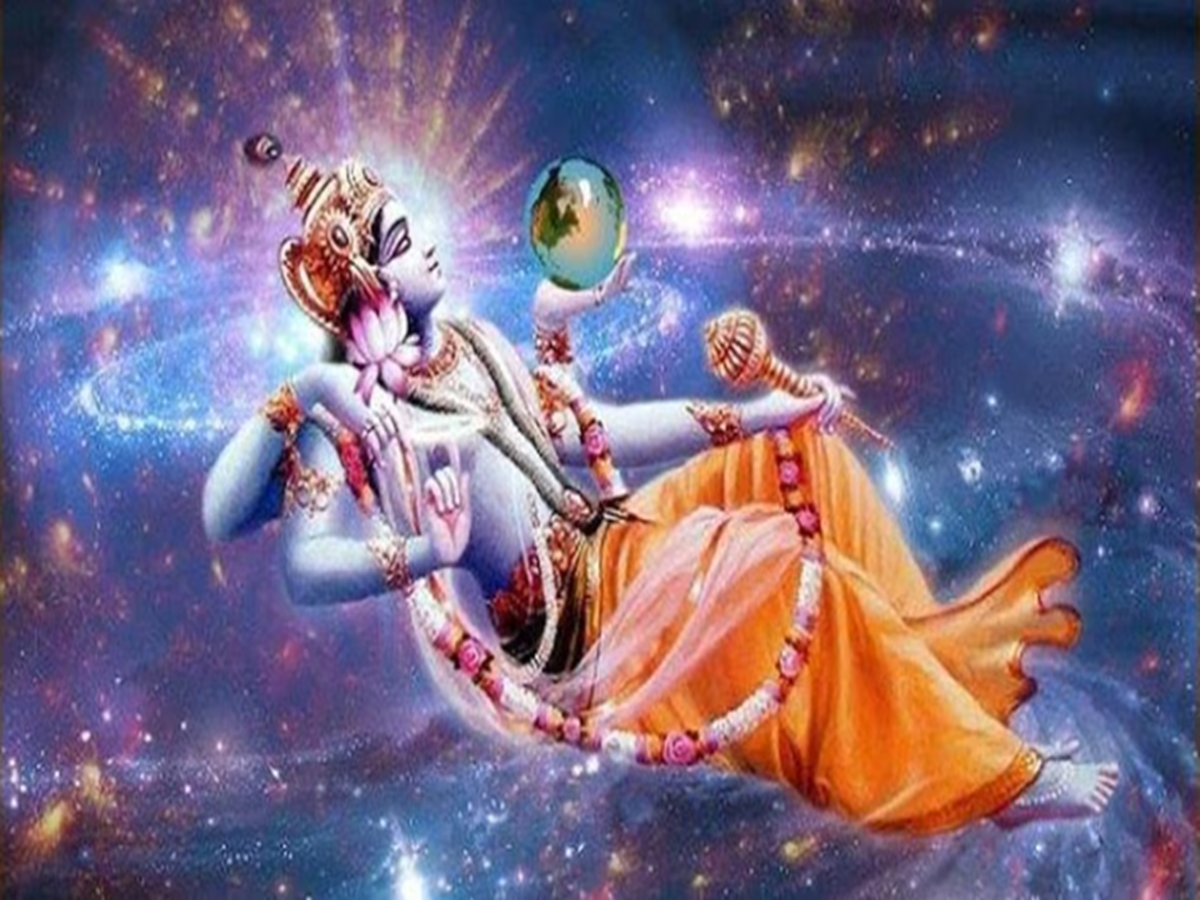
Are fasts and worship prohibited from Devshayani Ekadashi onwards?
Even on the day of Devshayani Ekadashi, when Lord Vishnu enters *Yoga Nidra*, people observe fasts and worship Shri Hari; rituals such as mantra chanting, *Aarti*, and night vigils are still performed. There is no restriction on fasting, worship, ritual bathing, charity, or the celebration of festivals during the Chaturmas period that begins with Devshayani Ekadashi.
Chaturmas encompasses *Sawan* (Shravan), the month most beloved by devotees of Lord Shiva. All thirty days of this month are significant for Shiva worship. By performing *Jalabhishek* (offering water) to Mahadev daily during *Sawan*, one can seek His blessings and have their wishes fulfilled.
Festivals that bestow enduring marital bliss, such as Hartalika Teej and Hariyali Teej, also fall during Chaturmas; on these occasions, married women observe fasts and worship Goddess Parvati and Lord Shiva. Raksha Bandhan, the major festival celebrating the bond of love between siblings, is also celebrated during Chaturmas on the full moon day (*Purnima*) of the Shravan month.
The ten-day festival of Ganeshotsav, spanning from Ganesh Chaturthi to Anant Chaturdashi, is celebrated during Chaturmas. Shri Krishna Janmashtami is observed on the eighth day of the dark fortnight (*Krishna Paksha*) of the Bhadrapada month, while Diwali falls on the new moon day (*Amavasya*) of the Kartik month. Throughout these four months of Chaturmas, various auspicious fasts—including those for Ekadashi, Pradosh, Purnima, Amavasya, and Shivratri—are observed. From this perspective, one can see that all fasts, festivals, and religious rituals are indeed observed during Chaturmas; there are no restrictions on them.
Why, then, are auspicious ceremonies not performed during Chaturmas?
For events such as weddings, housewarming ceremonies, or other auspicious activities, both Lord Vishnu and Brihaspati (the Guru of the Devas) must be in an awakened state. If this condition is not met, one cannot find an auspicious time (*muhurta*) for these activities; furthermore, even if one proceeds with them regardless, the desired auspicious results will not be attained. Such is the prevailing religious belief.
PC Social Media