LIFESTYLE
Common Monsoon Diseases Affecting Women: Which infections are women most at risk of contracting during the monsoon?

Common Monsoon-Related Health Issues for Women: While the monsoon season brings relief from the heat, it can also lead to various health problems. This season calls for extra caution, especially for women. Increased humidity, damp clothing, sweating, and the rapid proliferation of bacteria and fungi during this time heighten the risk of various infections.

Women often experience issues ranging from skin problems to genital infections during the monsoon. Sometimes, even minor negligence can lead to a severe infection. Therefore, women must pay special attention to personal hygiene, diet, and daily habits during this season.
Let us look at the infections that most commonly affect women during the monsoon and the steps that can be taken to prevent them.
Common Monsoon-Related Health Issues for Women and Preventive Measures
1. Urinary Tract Infection (UTI)
Increased humidity and bacterial activity during the monsoon can raise the risk of urinary tract infections (UTIs) in women. This infection can affect the bladder, urethra, or kidneys. Common symptoms include a burning sensation during urination, a frequent urge to urinate, lower abdominal pain, and sometimes fever. If left untreated, the infection can become severe.
Preventive Measures:
Drink plenty of water throughout the day.
Do not hold back urine for long periods.
Maintain proper hygiene after using the toilet.
Change out of wet clothes or undergarments immediately.
Wear cotton undergarments.
2. Yeast Infection
Increased humidity during the rainy season promotes rapid fungal growth, which can lead to yeast infections in women. Symptoms may include itching, burning, redness, and white discharge in the genital area. Wearing tight clothing or remaining in wet clothes for extended periods are major causes of this condition.
Preventive Measures:
Wear loose-fitting cotton clothing.
Avoid staying in wet clothes for long periods. Maintain intimate hygiene.
Avoid using excessive amounts of scented products.
Change your clothes if you sweat.
3. Fungal Skin Infections
Prolonged skin moisture during the monsoon increases the risk of fungal infections. Common symptoms include ringworm, itching, red patches, and rashes. This issue is frequently observed in areas like the neck, underarms, groin, and skin folds.
Prevention Tips
Keep the skin dry and clean.
Dry your body thoroughly after bathing.
Do not use other people's towels or clothes.
Change clothes if you sweat.
Do not apply any cream without consulting a doctor.
4. Bacterial Vaginosis
This infection occurs when the balance of good and bad bacteria in the intimate area is disrupted. It can cause unpleasant odor, abnormal discharge, and discomfort. High humidity during the monsoon can increase the risk of this condition.
Prevention Tips
Maintain intimate hygiene.
Avoid products containing unnecessary chemicals.
Wear clean cotton undergarments.
Drink plenty of water.
Do not ignore any symptoms; consult a doctor.
5. Allergies and Skin Infections
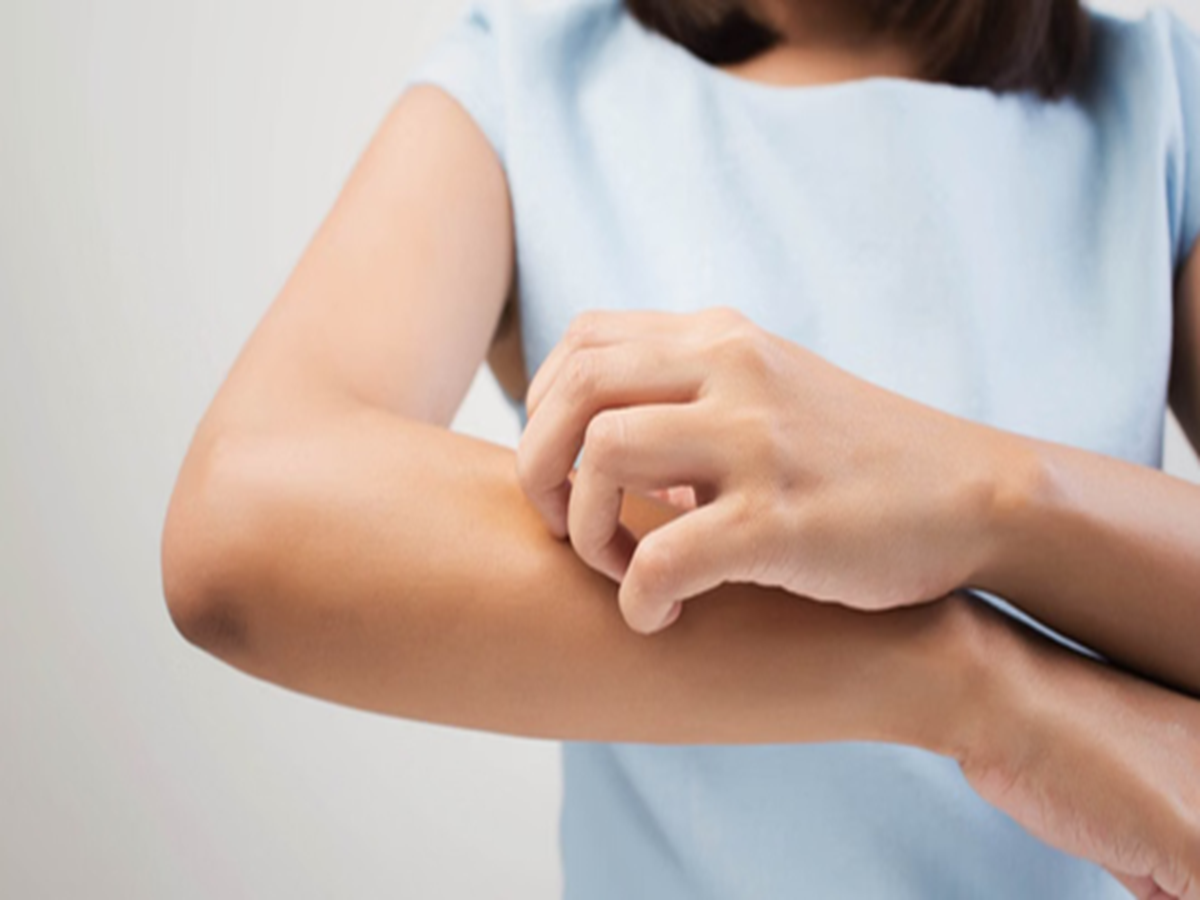
Exposure to contaminated water, mud, and pollution during the rainy season can lead to skin allergies and infections. This can cause issues such as itching, red patches, burning sensations, and swelling.
Prevention Tips
Bathe soon after getting wet in the rain.
Avoid contact with contaminated water.
Keep the skin clean and moisturized.
Seek immediate medical advice if an allergic reaction occurs.
Wash your hands and feet thoroughly after coming indoors.
PC Social Media