LIFESTYLE
Conclusion of Adhik Maas: Be sure to complete these tasks before June 15; doing so yields the merit of 100 Yagyas..
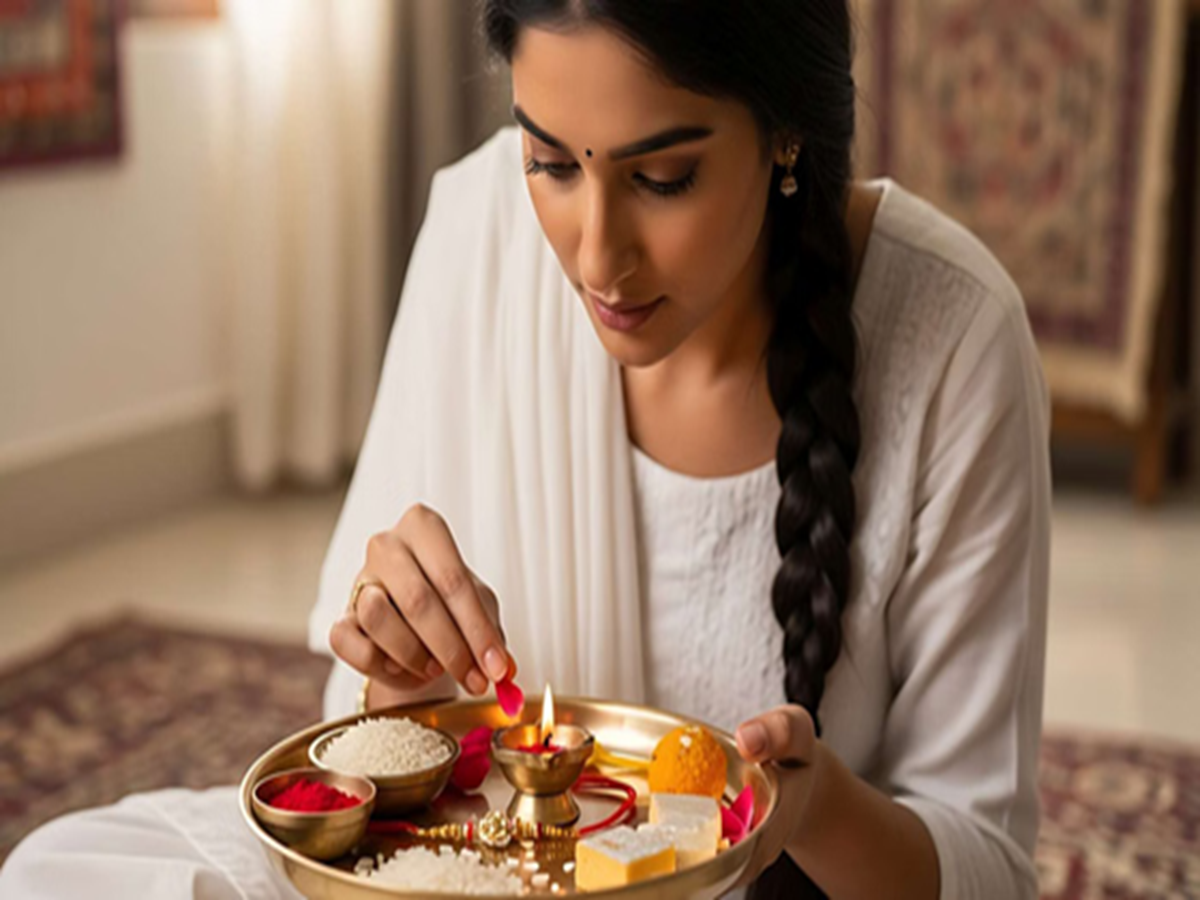
Purushottam Maas 2026: In Hindu tradition, *Adhik Maas*—also known as *Purushottam Maas* or *Malmas*—is considered extremely sacred and spiritually significant. This special month is dedicated to Lord Vishnu. It is believed that the spiritual merit (*punya*) gained from chanting, penance, charity, service, and worship during this period is manifold compared to ordinary days. In 2026, *Purushottam Maas* began on May 17 and will continue until June 15. Performing specific religious acts before its conclusion is considered auspicious, with particular importance placed on serving one's sister's children (nephews and nieces).
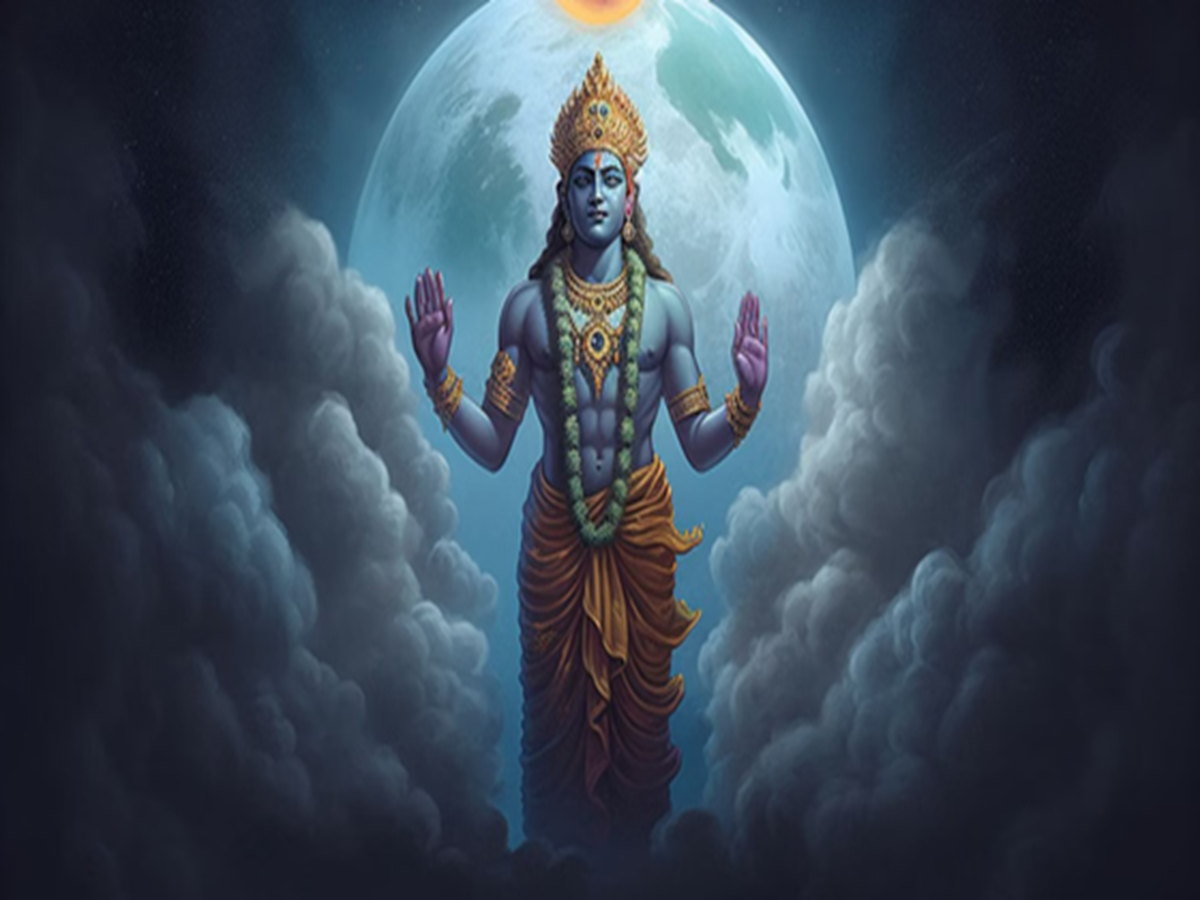
**Why *Adhik Maas* is Significant**
According to astrology, there is a difference of approximately 11 days between the solar year and the lunar year. To balance this discrepancy, an extra month is added roughly every 32 months; this is known as *Adhik Maas*. Religious beliefs hold that Lord Vishnu bestowed His own divine essence upon this month, leading it to be called *Purushottam Maas*. While auspicious ceremonies like weddings and housewarming rituals are avoided during this time, acts of worship, charity, and service are considered highly meritorious.
**Special Significance of Serving Nephews and Nieces**
In *Sanatan Dharma*, a sister's children hold a place of great respect. Popular belief states that a nephew is equivalent in merit to a hundred Brahmins. Consequently, it is considered highly auspicious for a maternal uncle and aunt (*Mama-Mami*) to serve their nephews and nieces during *Adhik Maas*. It is also believed that a sister's children embody divine grace and positive energy; serving them attracts the special blessings of Lord Vishnu and ensures happiness and prosperity in the home.
**How to Honor Nephews and Nieces**
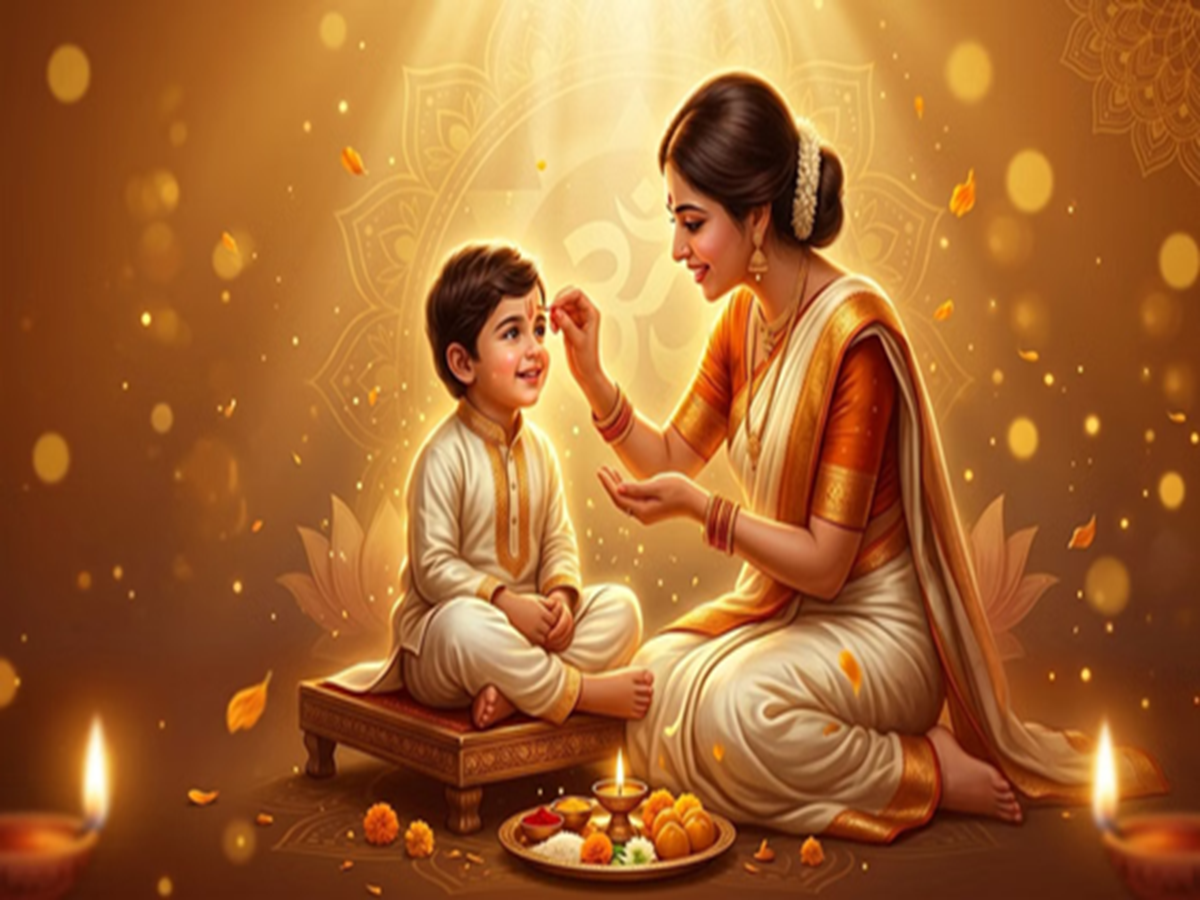
It is considered auspicious to invite nephews and nieces to your home—or visit theirs—to honor them before *Adhik Maas* concludes on June 15. Traditionally, one should respectfully seat them, apply a *tilak* on their foreheads, perform *Aarti*, and serve them a meal with love. Afterward, offer them fruits, clothes, sweets, or gifts according to your means. This small gesture fosters warmth in relationships and is also considered spiritually rewarding.
**The Tradition of *Parikrama* (Circumambulation)**
In some regions, following the acts of service and honoring, there is a tradition where the maternal uncle and aunt perform a *parikrama* (ritual circumambulation) around their nephew and niece—circling them seven, eleven, or twenty-one times. It is believed that this practice dispels negative energy and paves the way for happiness and prosperity within the family. However, the manner in which this tradition is observed varies across different regions.
**The Spiritual Rewards**
According to religious beliefs, the merit gained from selfless service performed during the *Purushottam Maas* (an auspicious extra month in the lunar calendar) is multiplied manifold. Honoring one's nephew and niece invokes the grace of Lord Vishnu and fosters love, harmony, and well-being within the family. Some beliefs even equate the spiritual merit of this act to that of performing a hundred *Yagyas* (sacrificial rituals).
PC Social Media