LIFESTYLE
Cotton City: Do you know which Indian city is called the 'Cotton City'? Check your answer..

When we think of Mumbai, the first thing that comes to mind is tall buildings, the sea, and the country's "financial capital." But did you know that this city's historical foundation rests on the "white gold" of cotton?
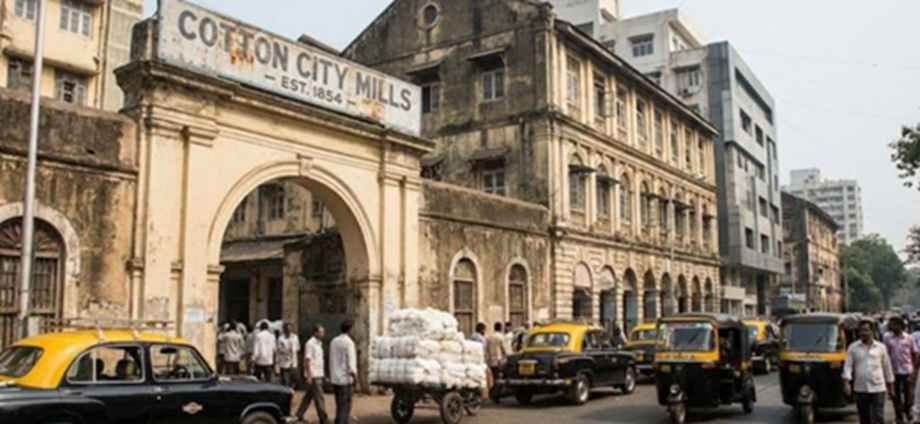
Yes, Mumbai holds the proud title of "Cotton City of India." This city wasn't just a hub for films or the stock market, but at one time, it transformed the direction and condition of India's cotton textile industry. How did Mumbai become the country's largest textile hub, and what contribution did it make to the Indian economy? Let's explore this fascinating story.
Why is Mumbai called the "Cotton City"?
The primary reason for Mumbai being called the "Cotton City" is its dominance in the cotton textile industry. During the colonial period, the city became India's largest center for textile mills and cotton yarn production.
During that period, Mumbai made such progress in cotton processing, spinning mills, and textile manufacturing that it became a major hub for the textile trade not only in India but also globally.
Key Reasons Behind Success
There were several significant reasons behind Mumbai's leadership in this industry:
Ports and Railways: The city had excellent port and railway connectivity, making it easy to import raw materials and ship finished textiles worldwide.
Availability of Labor: There was a sufficient number of skilled and hardworking laborers available to work in the mills.
Business Infrastructure: The financial system and banks here encouraged trade.
All these advantages combined to make Mumbai a major textile manufacturing hub.
Contribution to India's Economy
Mumbai's textile industry wasn't limited to producing clothes; it also strengthened the foundation of India's economy. Its large spinning mills, weaving units, and garment factories employed millions of people.
This industry also promoted related activities such as dyeing, sewing, and transportation. In fact, the cotton textile industry played a significant role in shaping Mumbai into the "financial capital" we know today.
Yavatmal, Where 'White Gold' Grows in the Fields
When talking about cotton, Yavatmal is a must-see. This region is a leader in cotton cultivation, and here are some interesting facts about it:
White Gold Belt: Cotton is called "white gold." Yavatmal district in Vidarbha is renowned for its cotton production due to its black soil and favorable climate.
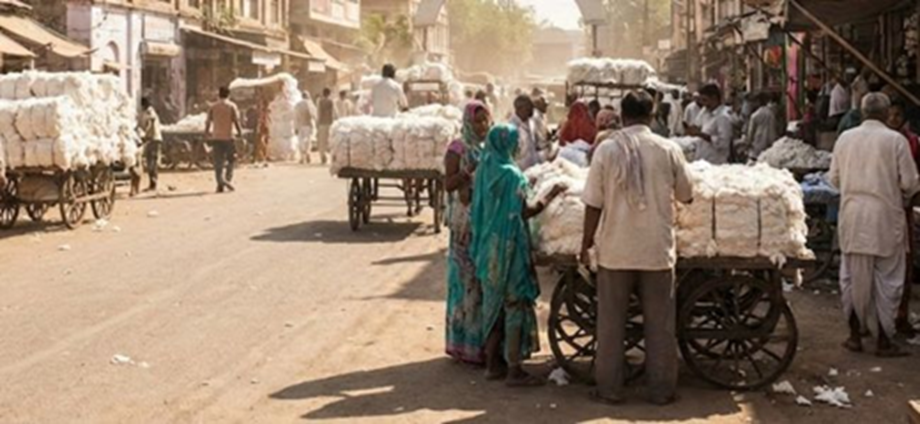
Center of Trade: It is a major market hub where farmers sell their produce. Numerous ginning and pressing units are located here, cleaning and baling the cotton, which is then sent to mills across the country.
Foundation of Rural Life: The entire economy here, from cultivation to transport and processing, is based on cotton.
Mumbai is called the "Cotton City" because it has historically played a major role in India's textile industry, exports, and industrial development. While regions like Yavatmal cultivated the "white gold," Mumbai served to bring it to the global market.
PC Social Media