Parenting
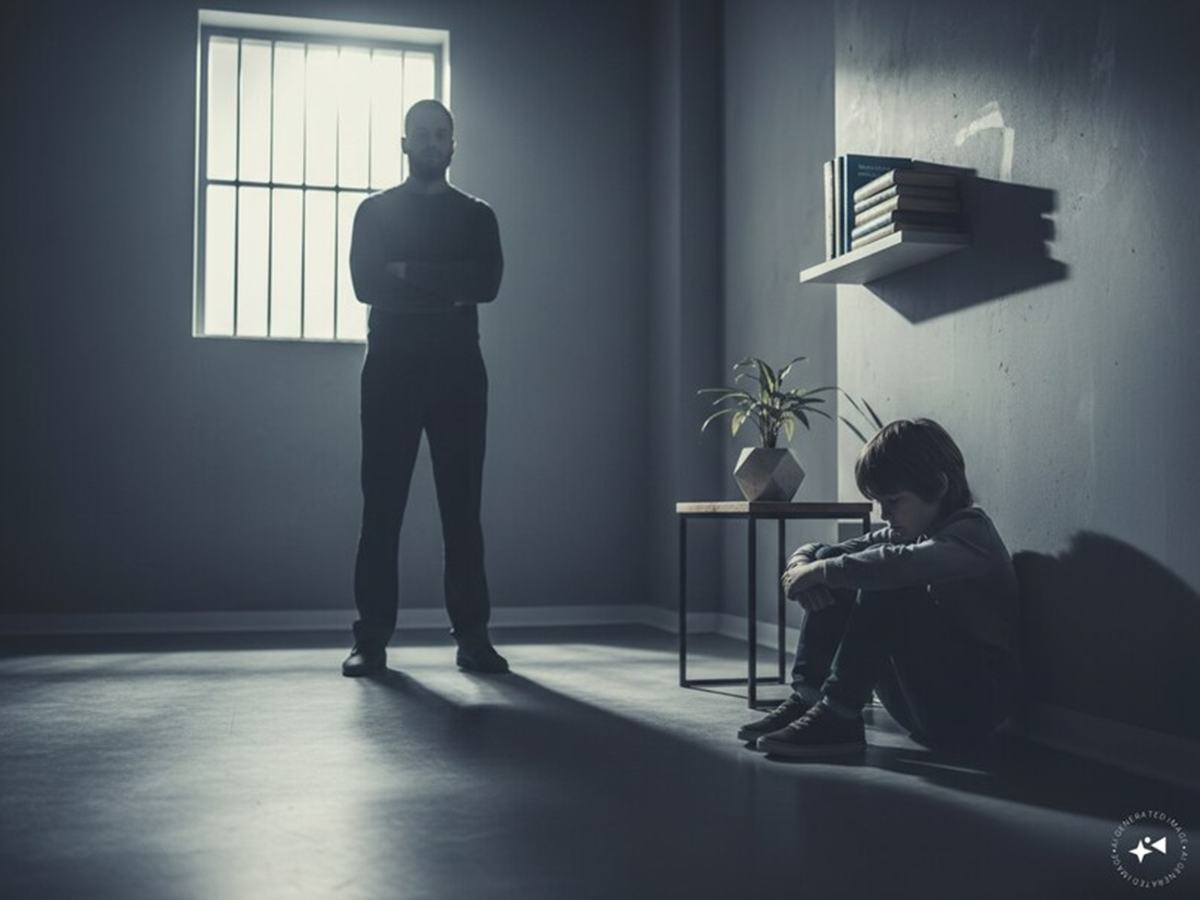
Could shielding a child from disappointment every single time end up backfiring? Why are small challenges necessary?
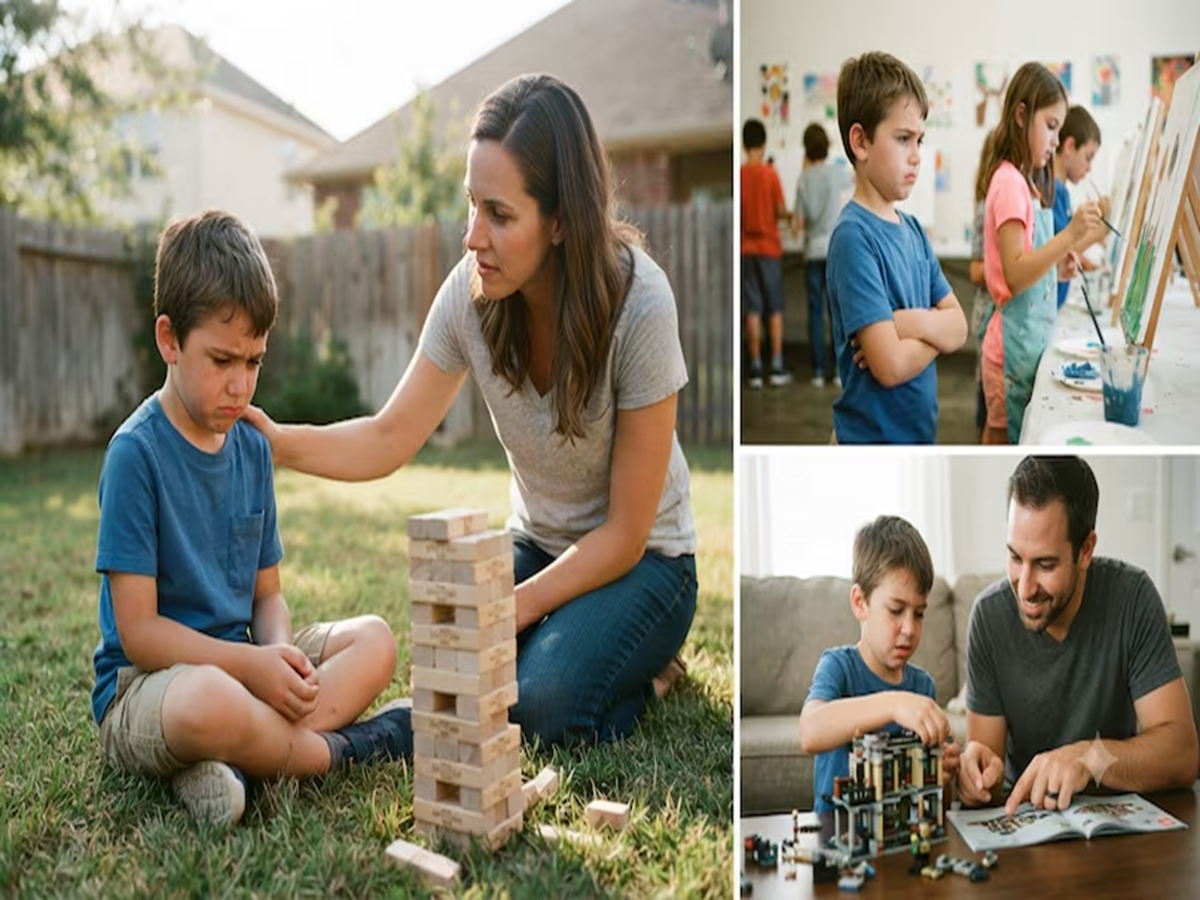
A child returns home after losing a game at school, or perhaps a friend has refused to play with them. The child becomes sad, starts to cry, or shows signs of anger. In such moments, parents naturally want to lift their child’s spirits—some might offer a favorite treat, while others might immediately jump in to resolve the problem. After all, what parent would want to see their child unhappy? But is it always right to shield a child from disappointment and difficulty? According to psychology, small challenges teach children how to navigate the tougher situations they will encounter in life.
Why is it not advisable to shield children from every difficulty?
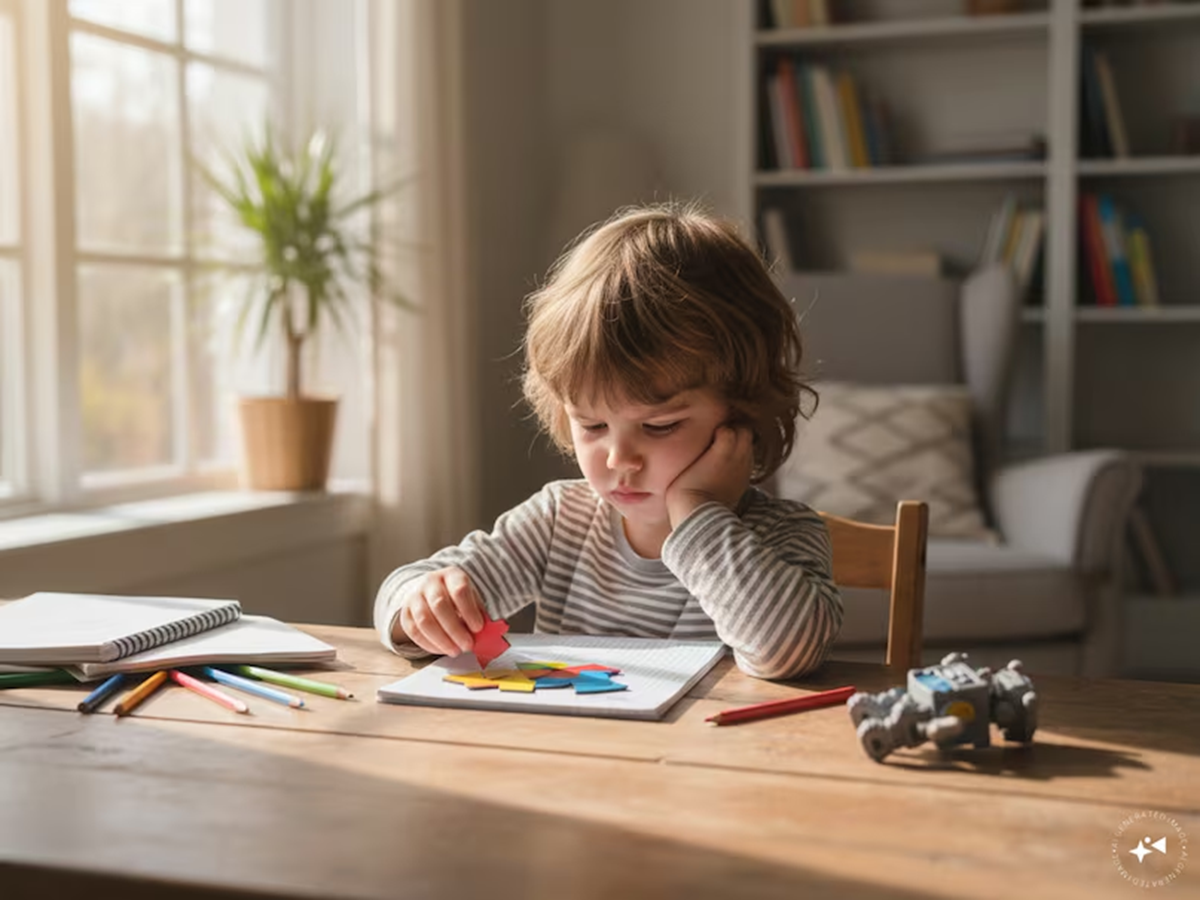
In their attempt to protect their child from every hardship, parents may inadvertently deny them the chance to solve problems on their own. For instance, if a child loses a game, instead of motivating them to perform better next time, parents might start making excuses on their behalf. If there is a conflict with a friend, they might complain to the other child without fully understanding what happened. If this happens repeatedly, the child may become hesitant to make their own decisions or face challenges, eventually coming to believe that someone else will always step in to fix their problems.
Why is the capacity to endure disappointment important?
"Frustration tolerance" refers to the ability to remain composed when one does not get what one wants or fails at a task. When a child loses a game, has to wait for their turn, or finds that a particular wish remains unfulfilled, they gradually learn that things cannot always go exactly as they desire. Child psychologists suggest that children should be allowed to face such minor challenges within a safe environment. A parent’s patience and support provide the child with the reassurance that disappointment is a normal part of life—and that it is possible to move past it.
Small challenges teach four key lessons: First, the child learns to accept defeat and try again. Secondly, the child learns to manage emotions like anger and sadness more effectively. Third, making age-appropriate decisions boosts their self-confidence. Fourthly, they develop the habit of finding their own solutions—whether it’s dealing with a broken toy, a mistake in homework, or a disagreement with a friend. These experiences prove valuable later in life, in their academics, friendships, and other relationships.
How can parents help?
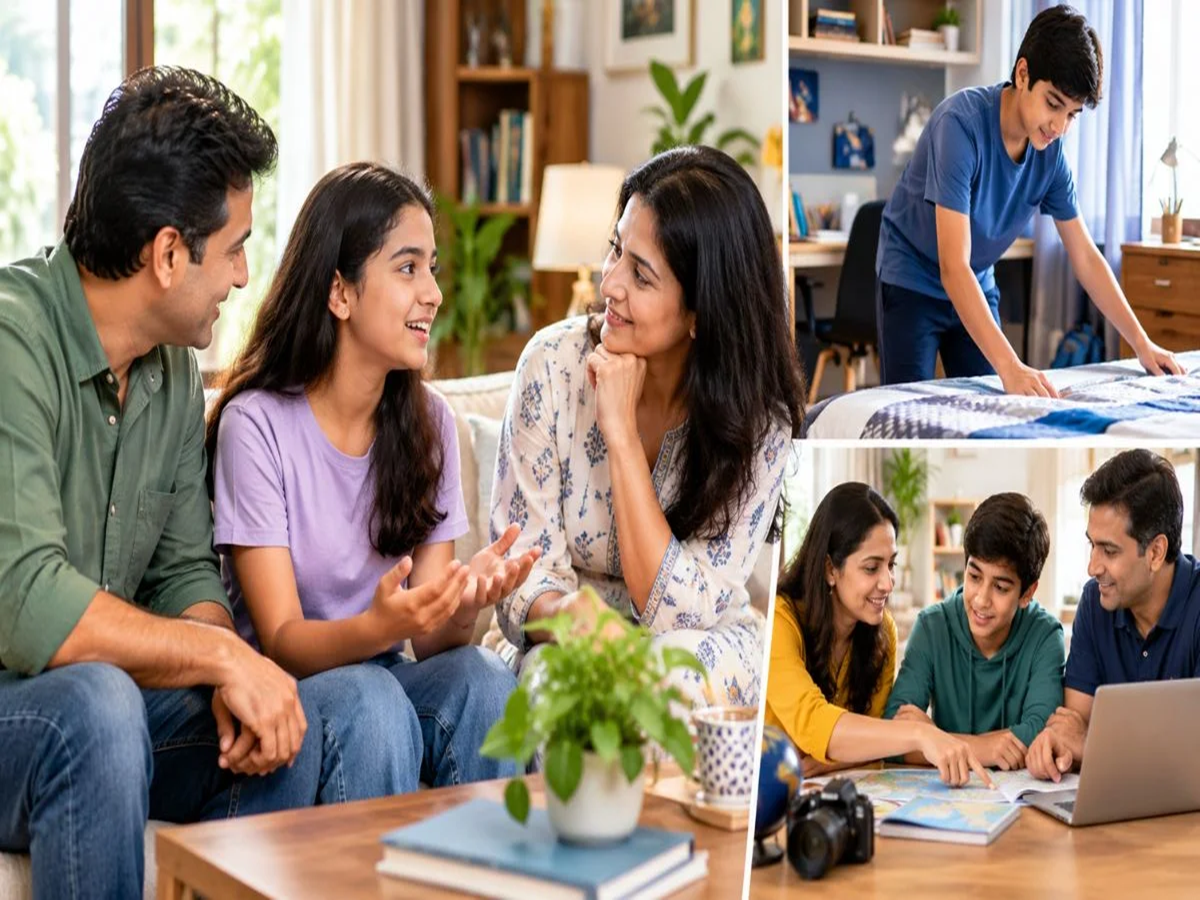
If a child feels sad after losing a game, instead of immediately buying them a new toy or making excuses for the loss, listen to what they have to say. You might say, "I understand that you’re feeling upset. What could you do differently next time?" Similarly, if they have a conflict with a friend, first hear the whole story, then ask how they would like to resolve the situation. Rather than providing the solution every time, give them the chance to think for themselves. Entrust them with small responsibilities and the freedom to make age-appropriate decisions.
This does not mean leaving the child to fend for themselves: Teaching a child to cope with disappointment does not mean that parents should ignore their distress. If someone is bothering or mistreating the child, if they remain consistently sad, or if there is a concern regarding their safety, parents must intervene immediately. A child should feel confident that they can share their problems with their parents without fear. Understanding their emotions and offering help when needed is just as important as allowing them to try things on their own.

The goal is to build resilience, not to ensure constant happiness: Good parenting is not about removing every difficulty from a child’s life. It is not the parents' job to shield them from every instance of loss, disappointment, or failure. Instead, it is about teaching them how to manage their emotions when such situations arise and how to move forward. When a child knows that their parents will stand by them during difficult times, they gradually learn to become self-reliant and face life’s challenges.
PC Social Media