
LIFESTYLE
Cracked heels in winter: These 7 reasons can cause cracked heels in winter, here's how to treat them at home..
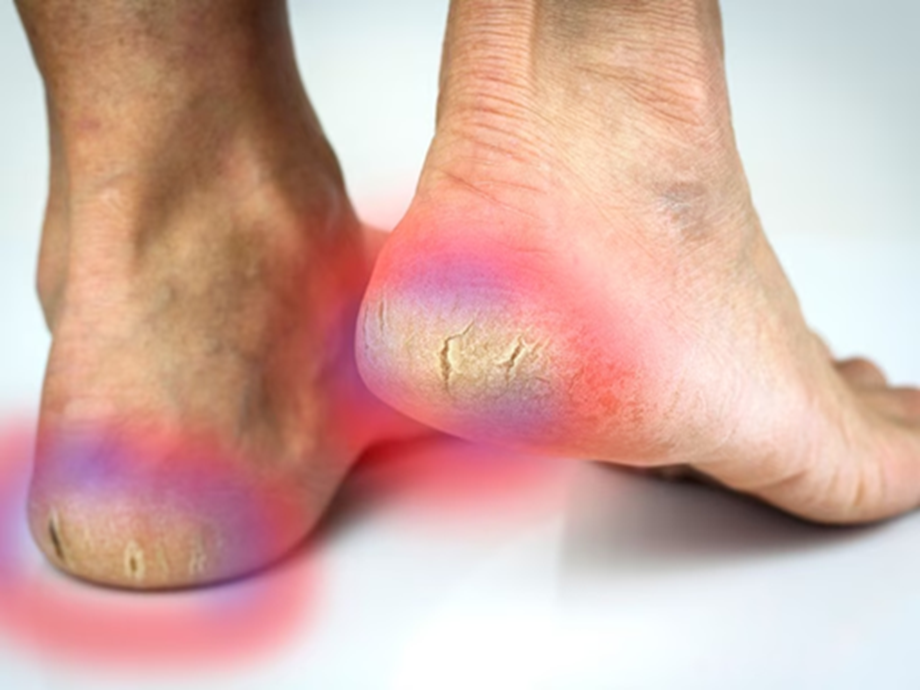
Causes of cracked heels and treatment: As soon as winter begins, some people's heels begin to crack. This is a very common problem, but if left untreated, pus can form in the cracked heels. This can cause pain, bleeding, and walking difficulties. Some people's heels are very soft and clean, but they begin to crack even before the cold weather arrives. What causes cracked heels? Cracked heels can occur due to several factors. The most common reason is dryness and lack of moisture in the environment. Let's explore the main causes of cracked heels in detail and some easy treatments.
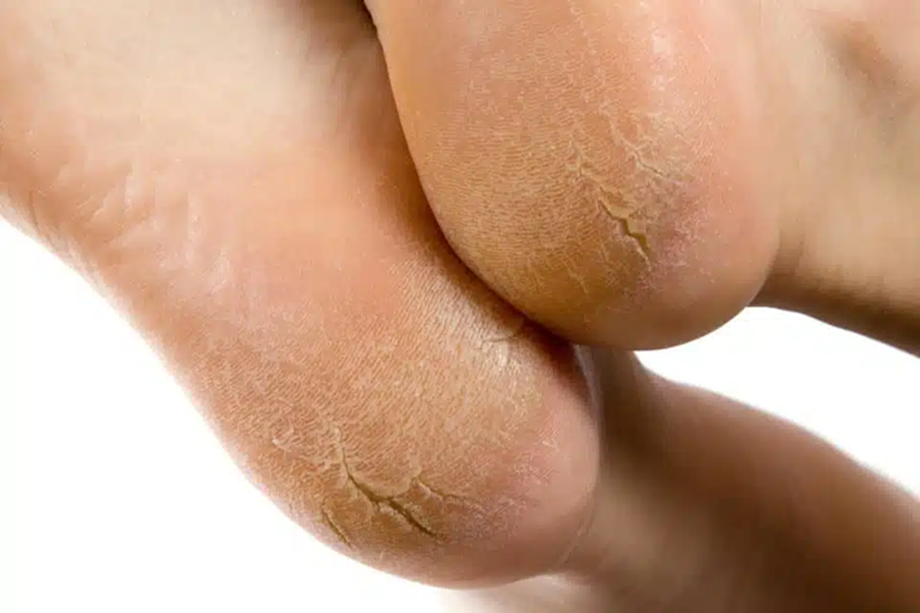
Main Causes of Cracked Heels
1. Dry Weather: The environment becomes very dry during winter. The lack of moisture in the air during this time hurts the skin and heels. This also disrupts the skin's natural moisture balance. This causes dry skin and cracked heels. Furthermore, the skin on the feet has fewer oil glands, making it naturally drier. These oil glands decrease even more in cold weather, leading to cracked heels.
2. Pressure on the heels: Being overweight puts more pressure on the feet and heels. This can cause the fat pads beneath the heels to expand, tearing the skin and causing cracks. People who stand for long periods of time may experience cracked heels due to increased pressure and friction.
3. Aging: As we age, the skin's elasticity decreases. The production of natural oils decreases, making the skin drier and more susceptible to cracking.
4. Skin problems: Heels can also be caused by a skin condition. These include psoriasis, fungal infections, and eczema. These skin-related problems can cause dry, cracked skin. Diabetes and thyroid conditions can also cause cracked heels.
5. Improper footwear: In winter, if you don't wear good-quality closed shoes or sandals, your heels will be constantly exposed to the cold and dry environment. This causes the soles to dry out and crack. Sometimes, wearing ill-fitting shoes can also cause cracked heels.
6. Drinking less water in the cold: Most people drink very little water during winter, which leads to a lack of moisture in the body, leading to dry skin.
7. Excessive use of chemical products: Some people use hand soaps, lotions, and creams. These reduce the skin's natural oils, causing dry skin. Laziness leads to people bathing less frequently and not properly caring for and cleaning their skin, hair, and heels. All of these factors contribute to cracked heels.
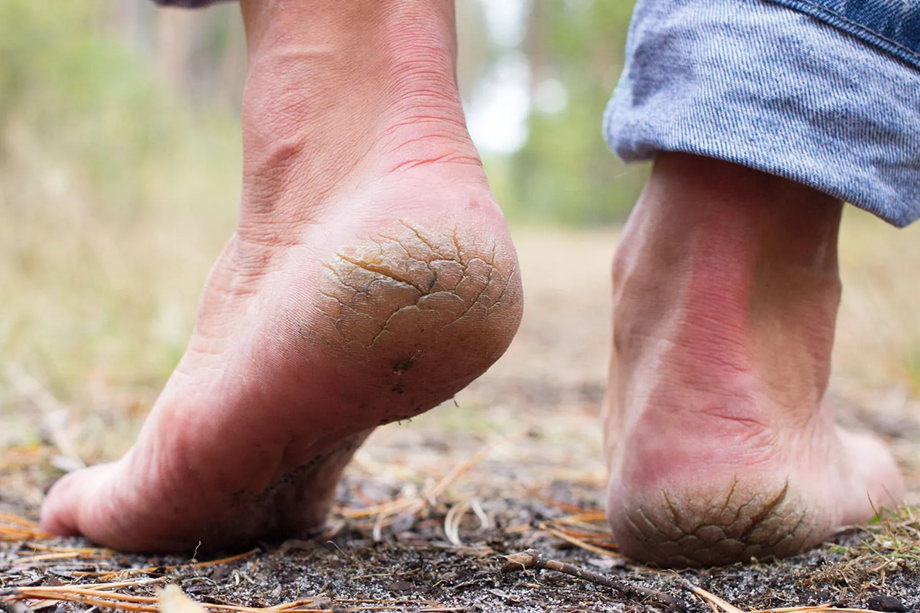
Home Remedies for Cracked Heels
You can treat cracked heels at home using natural remedies. There's no need to take medication or see a doctor. However, if the cracks develop excessive pus, pain, or bleeding, you should definitely consult a doctor.
-If your heels are cracking, soak your feet in lukewarm water every day. Even 15 minutes will remove dead skin cells. Scrub your soles with a scrubber or pumice stone. Regular use will keep your heels clean.
-After bathing, apply lotion, cream, or an oil like coconut oil, almond oil, or olive oil to the soles of your feet. This will prevent dryness. You can also do this before going to bed at night.
-You can also make a paste of ripe banana and apply it to your heels. Let it sit for 15 minutes and then rinse with water.
-Mix lemon juice with aloe vera gel and apply it to your heels. Apply it overnight before going to bed. Wear socks if desired. Wash your feet with water in the morning. You'll have absolutely soft heels.
- Mix one teaspoon of rose water and one teaspoon of glycerin and apply it thoroughly to your soles. You'll see the benefits within a day or two.
- Wear good-quality shoes, slippers, or sandals. Drink plenty of fluids. Apply a good-quality moisturizer to your feet twice a day. Sleeping with socks at night also helps keep your heels soft.
PC Social Media