LIFESTYLE
Dhanteras Vastu: Remove these items from your shrine before Dhanteras; a single mistake could lead to inauspiciousness..
Only a few days remain until Dhanteras. Cleaning preparations are underway in every household—some are busy polishing every corner of their homes, while others are focused on preparations for worship. Amidst this, cleaning the home shrine (puja space) is equally important. According to Vastu Shastra, one must pay attention to every detail—from the orientation of the idols placed in the shrine to ensuring that no broken or damaged items remain. Astrologer Pandit Akhilesh Pandey from Rishikesh notes that this year, the festival of Dhanteras will be celebrated on November 6th (Friday).
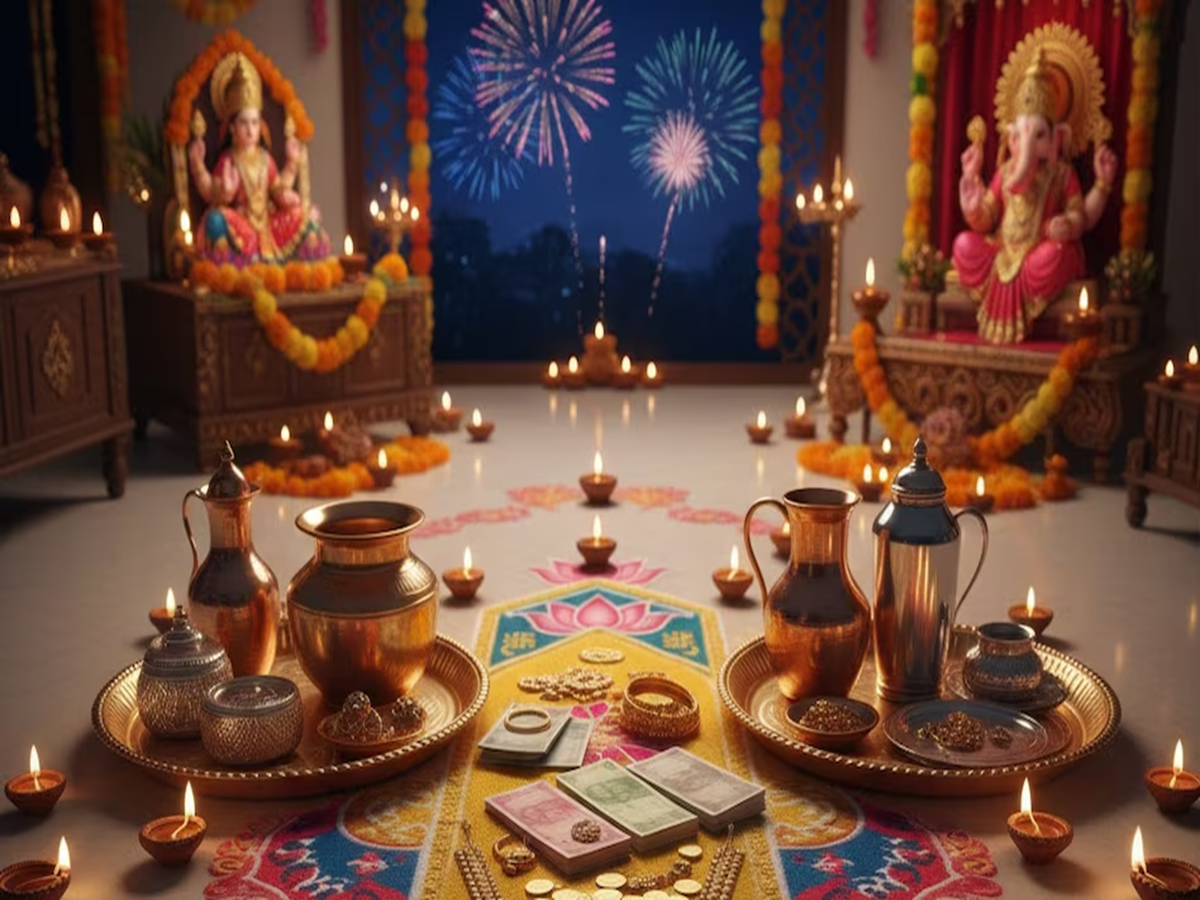
This significant festival, which precedes Diwali, is associated with wealth, prosperity, and good health. It is believed that worshipping Lord Dhanvantari, Goddess Lakshmi, and Lord Kuber on this day brings happiness and prosperity to the home. Purchasing gold, silver, utensils, or other new items on Dhanteras is also considered auspicious. On this day, people clean their main entrance and the home shrine, light lamps, and begin preparations for Diwali.
According to astrologer Akhilesh Pandey, there are several points to keep in mind when cleaning the home shrine before Dhanteras. First, remove any broken idols. Also, clear away old, withered flowers and garlands. According to Vastu Shastra, it is considered ideal to face east or north while worshipping; therefore, arrange the idols in such a way that there is sufficient space in front of them for worship, and ensure they are not placed directly against the wall. Remove any old papers, empty containers, or unnecessary clutter from the shrine area. The space designated for placing lamps should be kept perfectly clean, and items used for worship—such as *roli* (vermilion), rice, camphor, and incense sticks—should be stored properly in clean containers.
Avoid using artificial flowers.
Astrologer Pandit Akhilesh Pandey explains that, ahead of Dhanteras, it is considered auspicious to decorate the home shrine with a *toran* (garland/festoons) made of mango leaves, rather than using artificial flowers. In Hinduism, mango leaves are held in high regard and are considered highly auspicious; they are used to create *torans* during religious rituals and festivals. It is believed that a *toran* of mango leaves brings positive energy into the home and serves as a symbol of happiness and prosperity. Furthermore, these leaves also enhance the aesthetic appeal of the space.
PC Social Media