LIFESTYLE
Dirtiest Body Parts: The most dirt is hidden in these 5 parts of the body; just showering isn't enough, here's how to clean them properly..
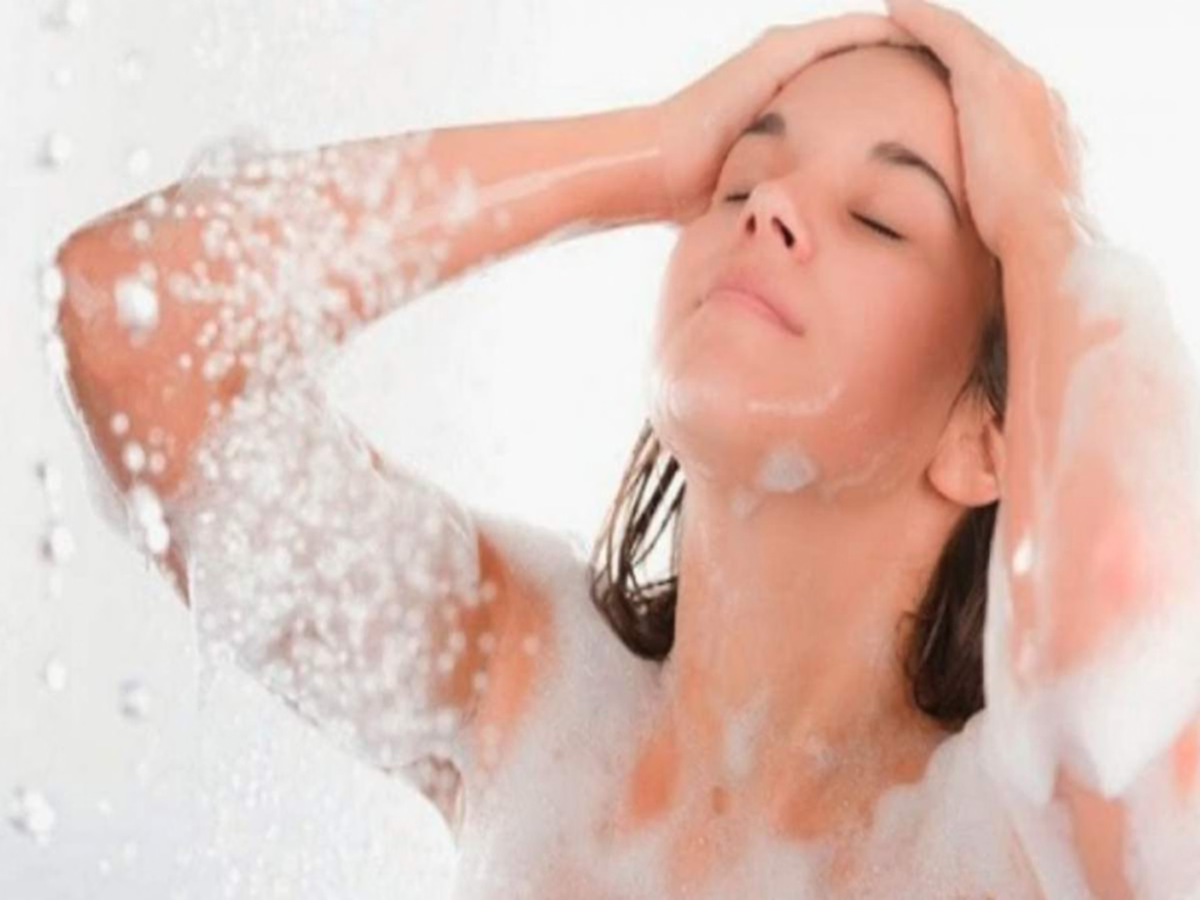
Most people believe that bathing completely cleanses the body. But dermatologists say otherwise. In fact, when we bathe daily, we often forget to clean or don't properly clean certain parts of the body (the dirtiest parts of the body), which increases the risk of infection.
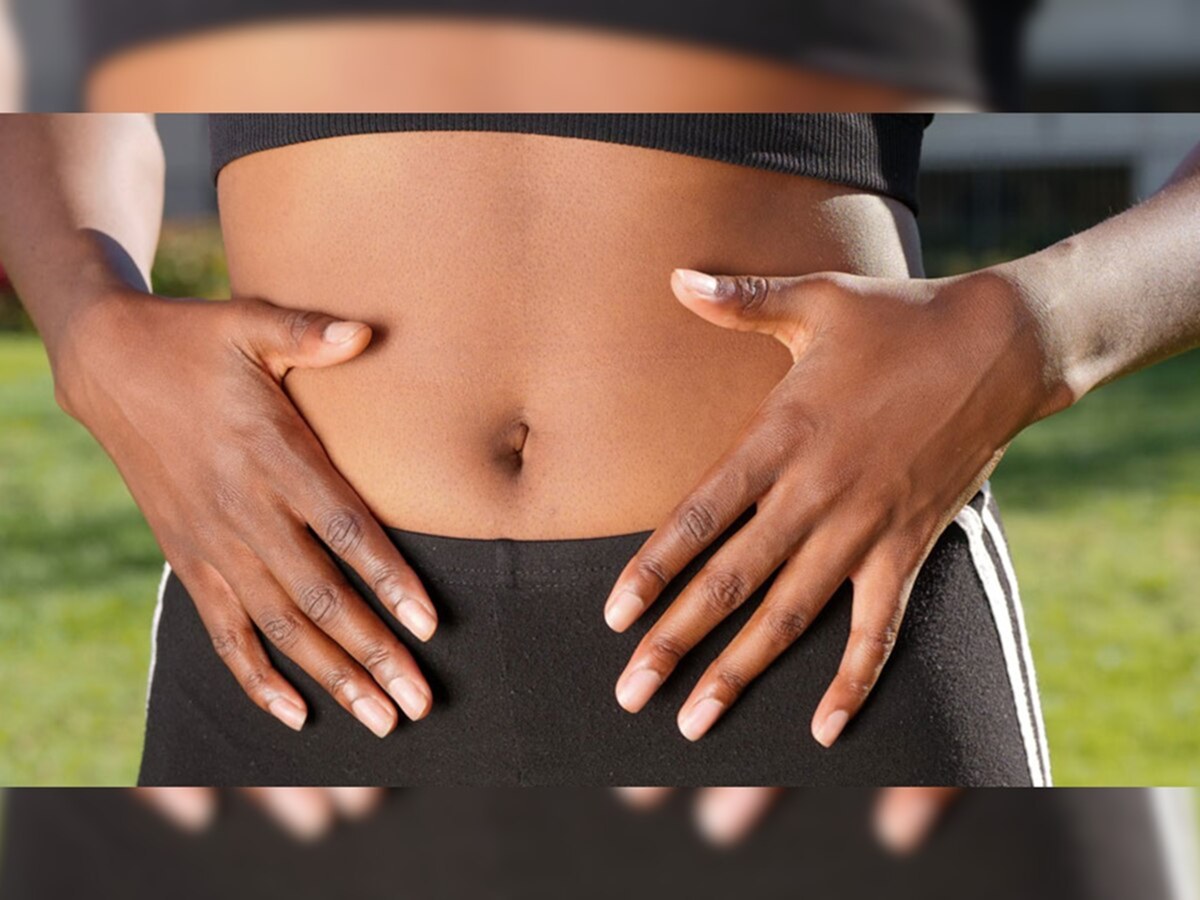
These body parts accumulate the most bacteria and dirt. Therefore, when they are not cleaned properly, they not only cause body odor but also lead to infections. Let's learn about the 6 dirtiest parts of the body that dermatologists specifically advise keeping clean (Dermatologist's Bathing Tips).
Behind the Ears
Often, we wash our face and hair, but we forget the area behind the ears. This area has sebaceous glands that release sebum. When this oil mixes with sweat and dust, it forms a sticky layer that emits an unpleasant odor. It is very important to clean this area daily with soap and water.
Armpits and Neck
The sweat glands in the armpits are very active, allowing bacteria to thrive rapidly. Similarly, oil and dirt accumulate in the folds of the neck. If these areas are not properly scrubbed, the skin can darken, and body odor can develop.
Navel
According to dermatologists, the navel is the warmest and most humid part of the body. Its structure makes it very easy for bacteria to grow there. If it is not cleaned regularly, it can start to smell and increase the risk of serious infections.
Under the Fingernails
Our hands come into contact with hundreds of things throughout the day. Germs hidden under the fingernails can directly enter our stomach when we eat. Simply washing your hands is not enough; cleaning the dirt accumulated under the fingernails with soap is essential for maintaining hygiene.
Between the toes
While we do pour water on our feet when bathing, we often neglect to thoroughly clean between our toes. The area between the toes can become a breeding ground for athlete's foot or fungal infections due to moisture and sweat. Drying this area after bathing is just as important as washing it.
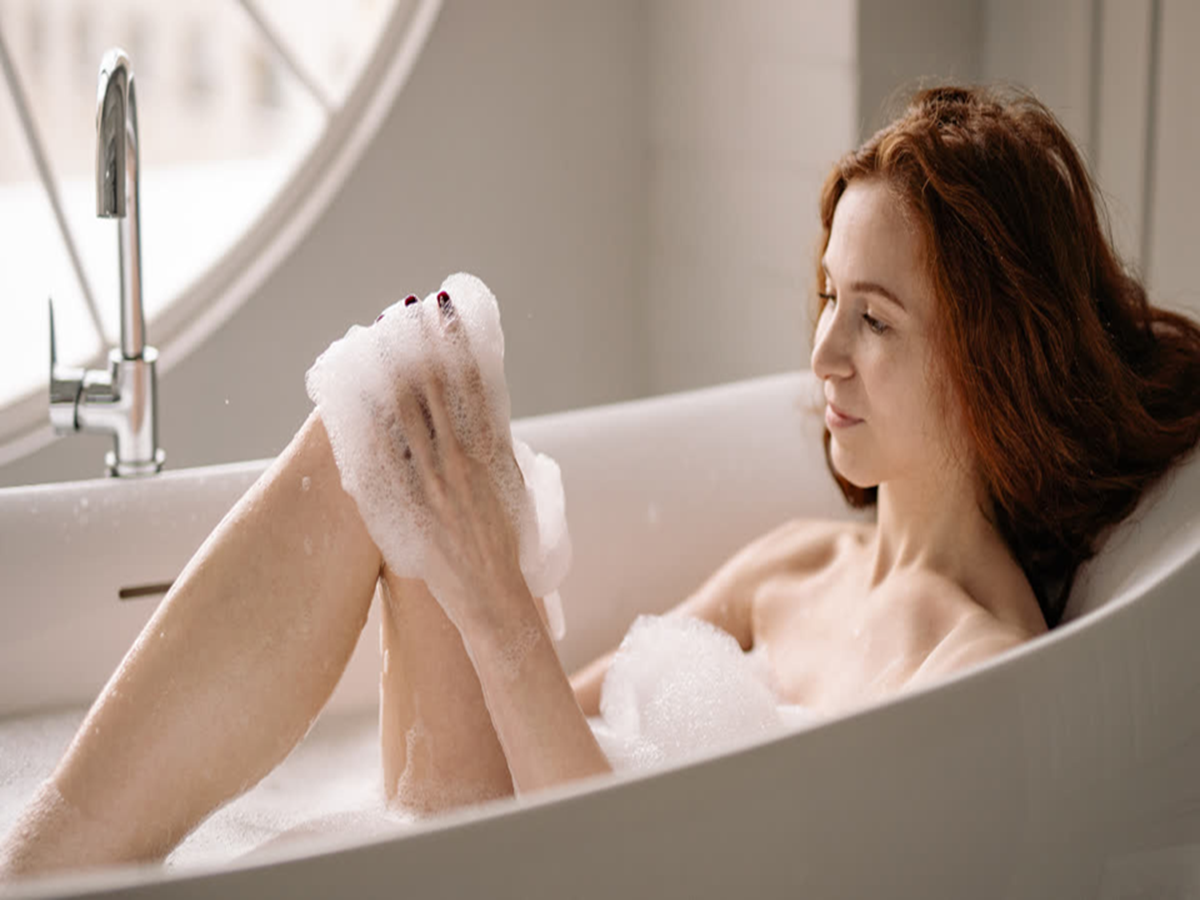
What is the correct way to clean?
Use a mild soap - Instead of harsh soaps, use a mild soap to avoid stripping the skin of its natural moisture.
Use a washcloth - Use a clean cotton cloth or washcloth to gently scrub the hidden areas of your body.
Dry thoroughly - Moisture is the breeding ground for bacteria and fungi. After bathing, dry all these areas thoroughly with a towel.
Regularity - This cleaning should not be an occasional practice, but a part of your daily routine.
PC Social Media