LIFESTYLE
Do not ignore these 6 signs of a stroke; the doctor explains when it is necessary to go to the hospital..
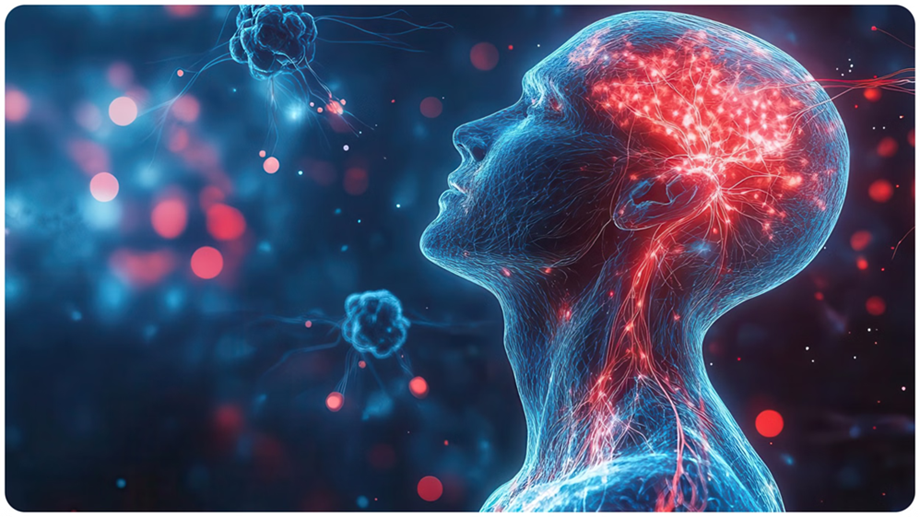
Until now, the common perception has been that strokes or brain attacks only affect elderly people, but due to changing lifestyles and increasing risk factors, this disease is now rapidly affecting young people as well. According to doctors, people in their 30s and 40s are also becoming stroke patients.

In such a situation, recognizing the early symptoms of a stroke and getting timely treatment has become extremely important. To learn more about this, we spoke to Dr. Amit Batra (Director, Neurology, Max Super Speciality Hospital, Patparganj). Let's find out what the doctor has to say.
When does a stroke occur?
A stroke occurs when blood flow to a part of the brain is suddenly interrupted, or when a blood vessel ruptures, causing bleeding in the brain. When blood flow is interrupted, cells begin to die within minutes. This is why a stroke is considered a medical emergency, where every minute is crucial.
How to identify a stroke?
The easiest way to identify the early signs of a stroke is the BEFAST formula:
B – Balance: Sudden dizziness, difficulty walking, or loss of balance.
E – Eyes: Sudden blurred vision in one or both eyes, double vision, or complete loss of vision.
F – Face: Drooping on one side of the face, a crooked smile, or one side of the mouth sagging.
A – Arms: Sudden weakness or numbness in one side of the body, especially in the arm or leg.
S – Speech: Slurred speech, difficulty speaking clearly, or trouble understanding what others are saying.
T – Time: Time is of the essence. Seek immediate medical help if you experience any of these symptoms.
What other symptoms can there be?
In addition, sudden numbness in half of the body or loss of sensation in the face can also be a sign of a stroke. In some cases, a headache can also be a warning sign. However, if the headache is sudden and very severe, and accompanied by vomiting, it could be a sign of a brain hemorrhage, requiring immediate medical attention.
Sometimes, stroke symptoms resolve on their own within a short time. This is called a transient ischemic attack (TIA) or "mini-stroke." Even though it's temporary, it's a serious warning sign of a future major stroke and should not be taken lightly.
What is the treatment for stroke?
Medical science has made significant advancements in stroke treatment. Blood-clot-dissolving medications and modern techniques to remove clots can minimize brain damage. However, these treatments are most effective when the patient reaches the hospital during the initial stages of symptom onset, known as the "golden hour."

What are the risk factors for stroke?
High blood pressure, diabetes, smoking, obesity, irregular heartbeat, and high cholesterol are the main risk factors for stroke. Controlling these factors and recognizing early symptoms are the most effective ways to prevent a stroke.
PC Social Media