
LIFESTYLE
Do the lemons you keep in the fridge dry out quickly too? These simple tips will help reduce waste..
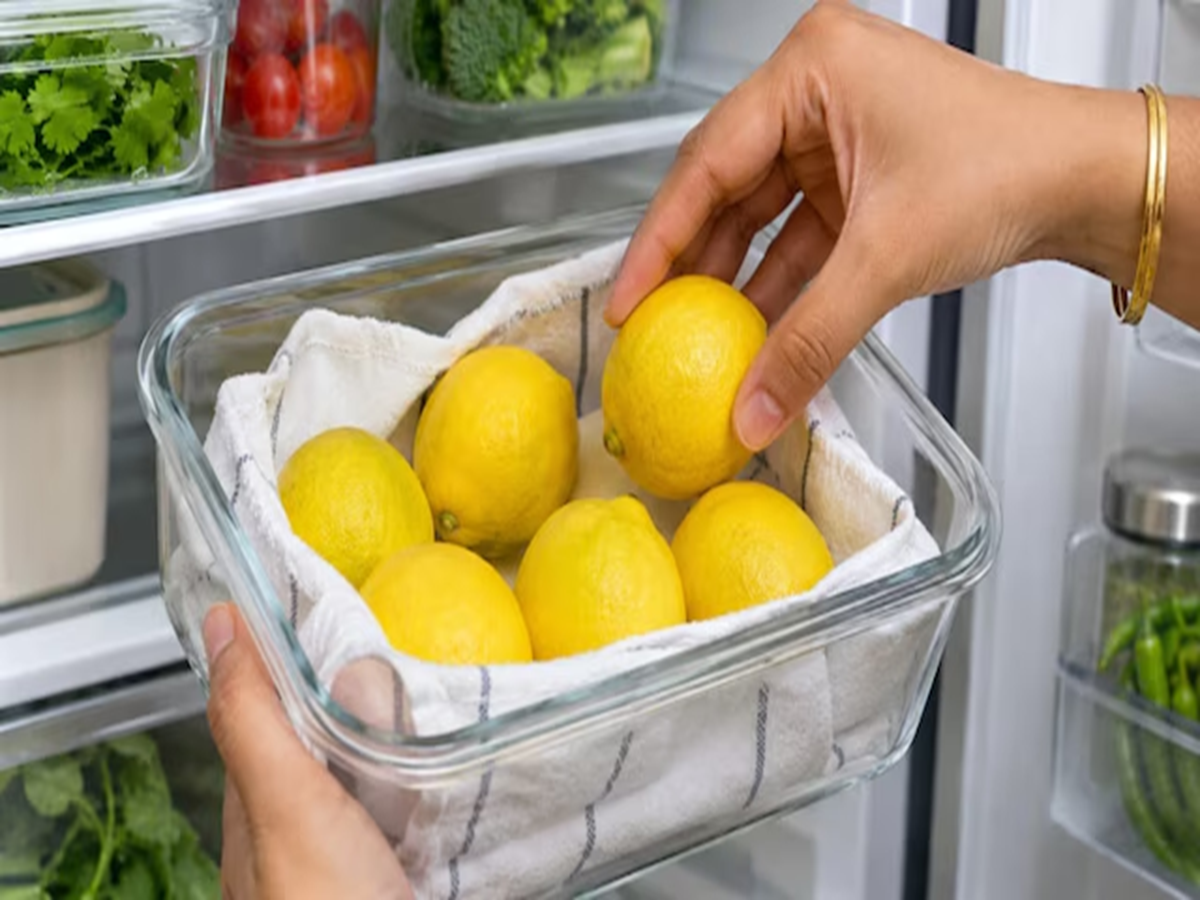
How to Store Lemons: Whether you want to add a tangy touch to lentils (dal), enhance the flavor of a salad, or squeeze some juice over *poha*, lemons are incredibly useful. For this reason, many people buy them in bulk. The problem arises when you take a lemon out of the fridge, only to find it hard and dry, or covered in mold. How long lemons stay fresh depends on more than just refrigeration; factors like their condition at the time of purchase, any damage to the peel, the cleanliness of the storage container, and the presence of trapped moisture all play a role. Recently, a method involving coating lemons with cooking oil and storing them in a container lined with cotton cloth has gained some attention.

However, this home remedy does not guarantee that whole lemons will remain perfectly fresh for six months. Selecting high-quality lemons, ensuring they are kept dry, and checking them regularly are more effective practices. If you wish to preserve the juice for a long period, freezing it is a viable alternative.
Start by selecting good-quality lemons.
When buying lemons, don’t just look for a bright color. Gently press them; they should feel firm and full. Ensure there are no signs of decay, mold, or deep bruises on the surface. A heavily shriveled peel can be a sign that the lemon has dried out. Once you bring them home, inspect each lemon individually. If you spot one that is damaged, keep it separate from the rest. Lemons that appear slightly older—but are not yet spoiled—can be set aside to be used first.
Do not store them in a container while the surface is damp.
If you choose to wash your lemons, rinse them under clean, running water, then wipe them with a cloth and allow them to dry completely. Ensure that no water remains in the crevices of the peel or at the ends of the lemons; moisture can often linger in these areas even after a quick wipe. It is a good idea to check the lemons before placing them in a container. Ensure that the container used for storage is both clean and dry. Avoid reaching into the container with wet hands, as this introduces moisture.
What does the oil-based method involve?
In the home-preservation method suggested by Shweta Khairnar, a very light coating of edible oil is applied to the surface of clean, dry lemons. They are then placed in a container lined with a cotton cloth and stored in the refrigerator. The purpose of this method is to reduce moisture loss from the peel. However, it should not be considered a foolproof preservation technique guaranteed to last six months. Lemons can still spoil even after being oiled, so regular inspection is necessary. Furthermore, the external sheen from the oil does not necessarily reflect the condition of the lemon’s interior.
A cotton cloth can help, but it offers no guarantees.
While a clean cloth lining the container can absorb excess moisture, it does not entirely eliminate the risk of mold growth. If the cloth itself becomes damp, it must be replaced. Instead of packing the lemons tightly, leave some space between them to make them easier to inspect and retrieve. If water droplets appear on the sides of the container, wipe them away and ensure the container is thoroughly dried. Avoid adding fresh lemons on top of an old, damp cloth.
How long can lemons last in the refrigerator?
According to information from Utah State University Extension, lemons stored in a plastic bag in the refrigerator can remain in good condition for about six weeks. This is an estimate rather than a fixed duration for every individual lemon; the length of time they last depends on how long they were stored before purchase and their initial condition. Therefore, one should not rely on the assumption that lemons will remain fresh for six months. It is more practical to purchase lemons based on your household’s actual usage and to ensure that older lemons are used first.
Don’t assume that submerging them in water is a foolproof solution.
While keeping lemons in a jar filled with water might seem simple, leaving them unattended for long periods is not a good practice. That said, it is also not accurate to claim that every lemon will immediately spoil if kept in water; the outcome depends on factors like cleanliness, temperature, and the initial condition of the lemons. If you prefer a low-maintenance approach at home, simply store the lemons dry in the refrigerator and check on them periodically. When using any home-preservation method, do not judge freshness solely by the appearance of the outer peel.
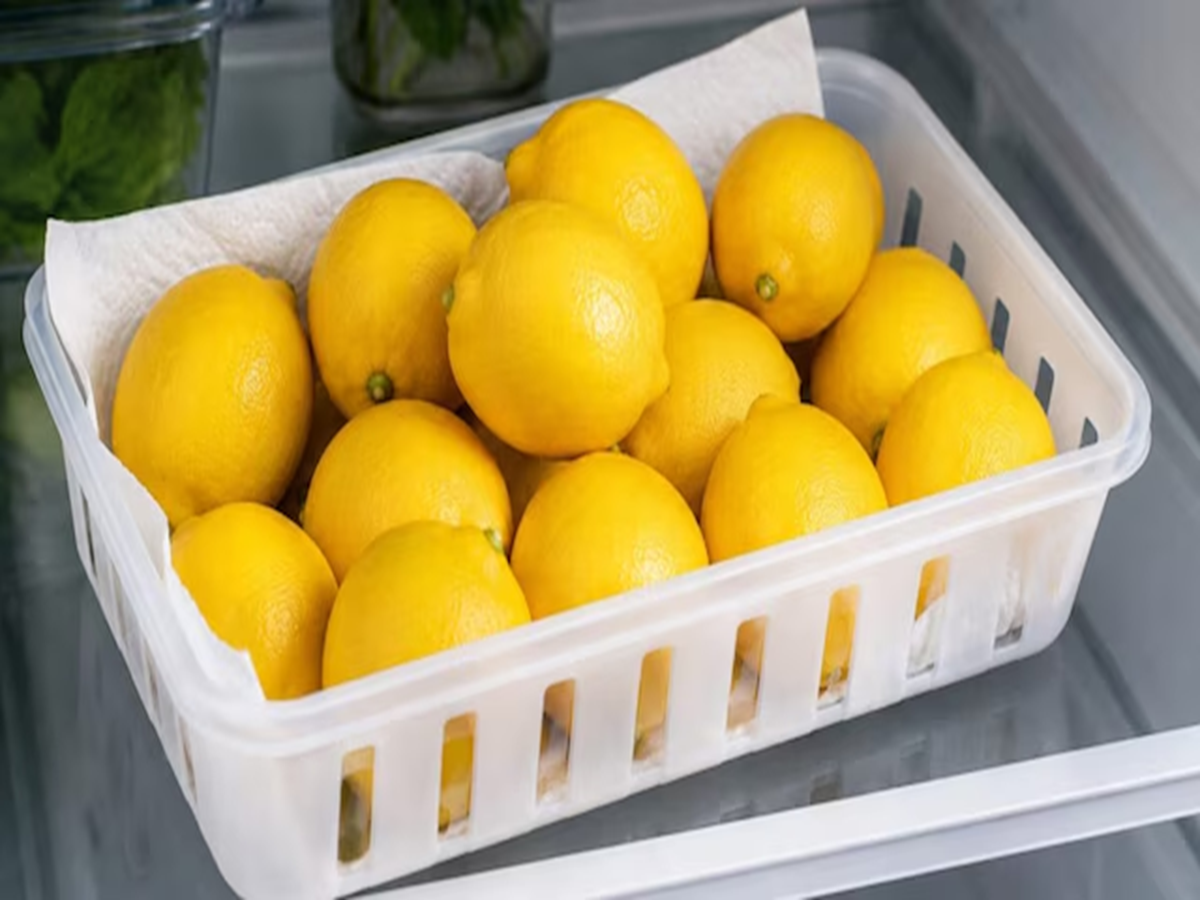
For long-term storage, freeze the juice.
If you have a surplus of lemons that you are unlikely to use soon, you can extract their juice and freeze it in small portions. Wash and dry the lemons, cut them with a clean knife, and squeeze out the juice. Strain out the seeds, then pour the juice into a clean ice cube tray. Once frozen, transfer the cubes into a freezer-safe container or bag, and be sure to label them with the date. Utah State University Extension also recommends freezing fresh lemon juice in ice cube trays. This makes it easy to take out one or two cubes whenever needed—a different approach than trying to keep whole lemons fresh.
PC Social Media