
LIFESTYLE
Do you also experience pain near the kidney? Find out when it could be a sign of cancer instead of a 'stone'..

Both kidney cancer and kidney stones are conditions affecting the kidneys. Although they are distinct issues, they can share some similar symptoms. Consequently, distinguishing between them without a medical examination can often be very difficult.

According to Dr. Pearl Anand, Consultant (Radiation Oncology) at Andromeda Cancer Hospital, understanding the difference between these two conditions is crucial for timely and appropriate treatment. On the occasion of World Kidney Cancer Day, let us explore how to distinguish between kidney stones and kidney cancer.
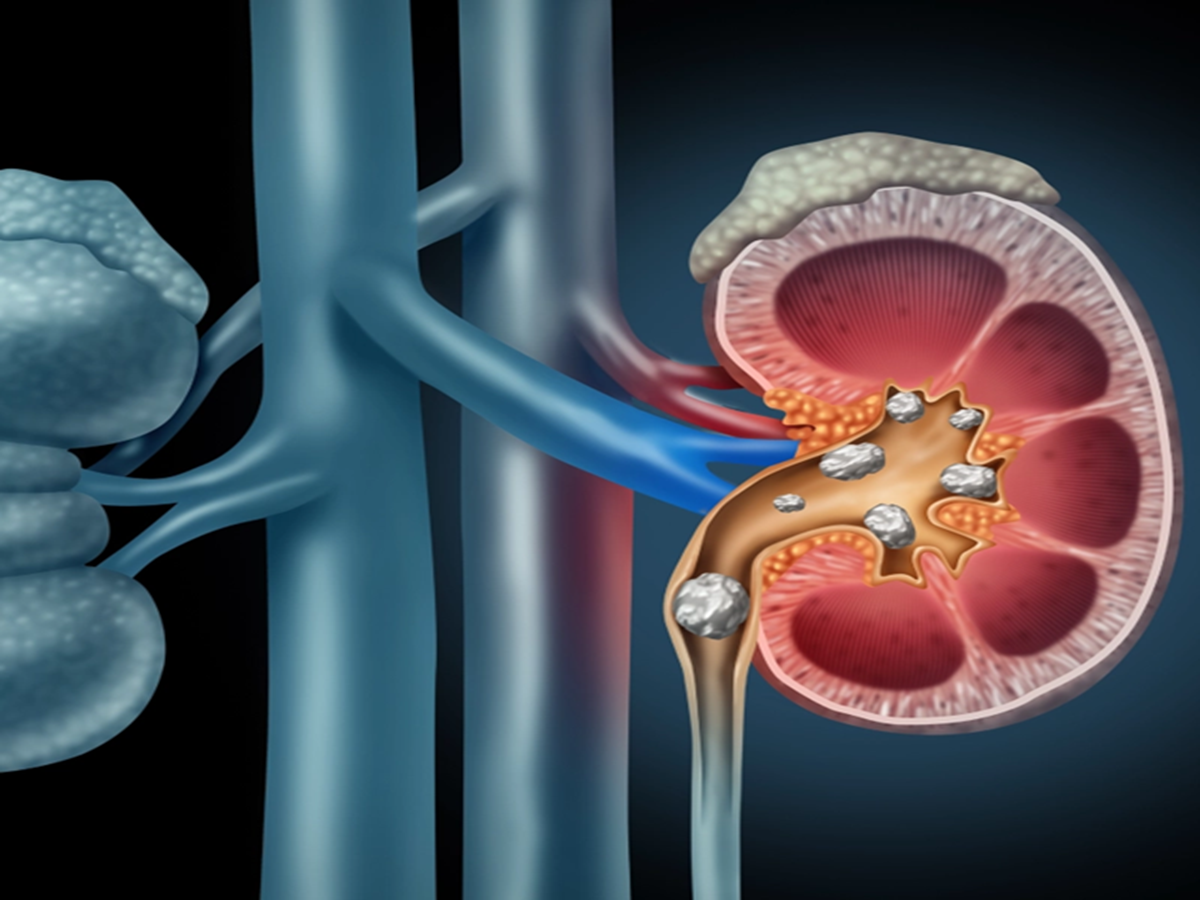
What are kidney stones, and what are their symptoms?
Kidney stones are essentially solid deposits of minerals and salts that form inside the kidneys.
When someone has a kidney stone, they experience sudden, severe pain in the back, the side of the waist, or the lower abdomen. This pain often comes and goes in waves. Other symptoms may include:
Nausea and vomiting.
A burning sensation during urination.
Blood in the urine.
Small stones often pass out of the body on their own through urine, but larger stones require medical treatment.
How is kidney cancer different?
Kidney cancer, on the other hand, occurs when abnormal cells in the kidney begin to grow rapidly and uncontrollably.
A key point to note is that kidney cancer often shows no symptoms in its early stages. It is frequently detected incidentally during imaging tests performed for other reasons. As the disease progresses, the following symptoms may appear:
Blood in the urine.
Persistent pain in the side of the waist or lower back.
Unexplained weight loss.
Excessive fatigue and fever.
Feeling a lump in the abdomen. Distinguish between the two based on the nature of the pain.
If you are confused, the nature of the pain can reveal a significant difference between the two conditions:
Pain from kidney stones:
It strikes suddenly, is very intense, and comes in waves (intermittent).
Pain from cancer: This pain is mild but persistent and gradually worsens over time.
While blood in the urine can occur in both conditions, rapid, unexplained weight loss and persistent fatigue accompanying this symptom could indicate cancer.
Proper diagnosis is crucial.
Since many symptoms of both conditions overlap, do not ignore any persistent urinary issues or the presence of blood in your urine.
Doctors use ultrasounds, CT scans, and laboratory tests to accurately diagnose the condition. Only after a proper diagnosis can they recommend the appropriate treatment.
PC Social Media