
Parenting
Do you also post photos of your child on social media? You, too, will be alarmed once you learn about the 5 dangers of 'sharenting'..
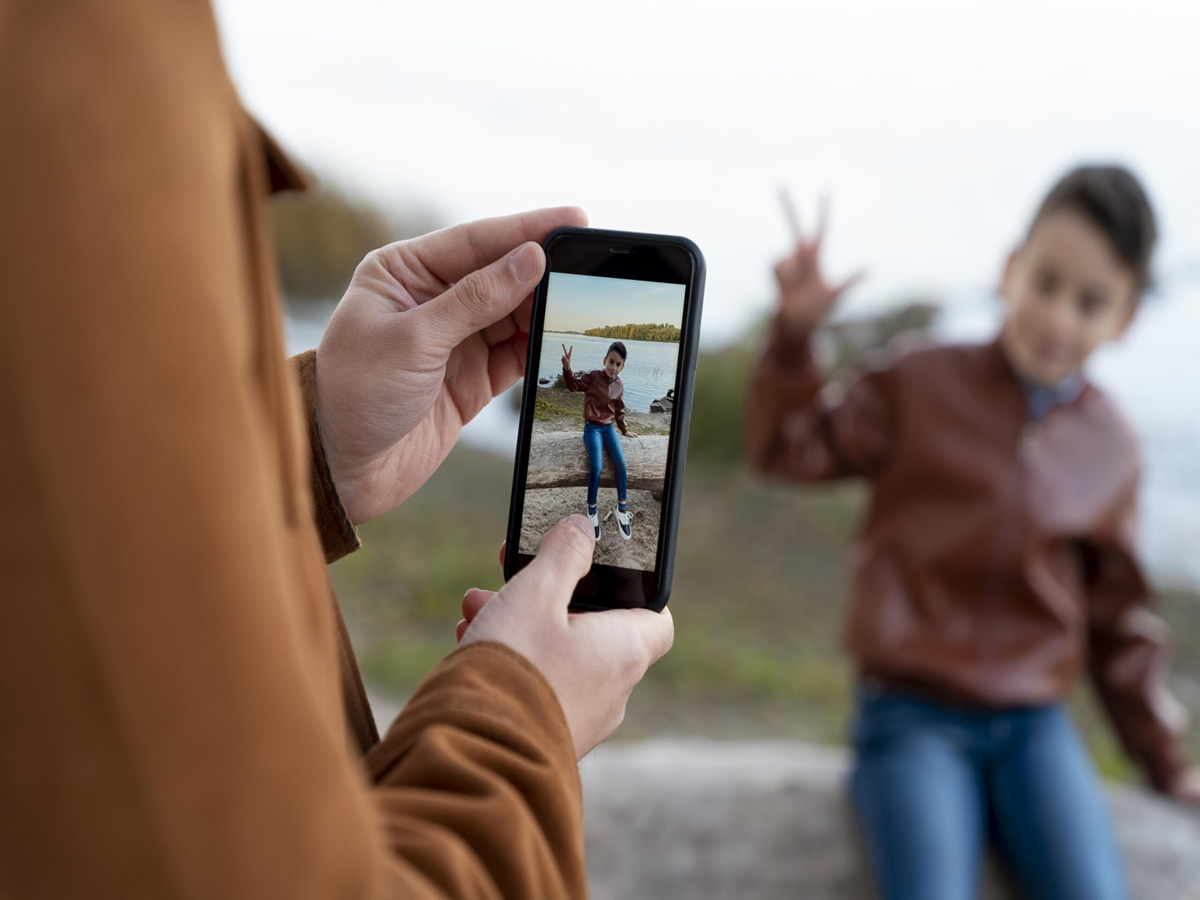
Risks of Posting Child Photos Online: In today's digital age, the moment a little guest arrives in the home, along with the joy, smartphone cameras also spring into action. From the child's first smile to their first steps, everything goes "live" on Facebook and Instagram. In modern parlance, this practice is known as "Sharenting"—a portmanteau of "sharing" and "parenting." While it sounds quite endearing to share your happiness with loved ones, have you ever considered that a single small post could jeopardize your child's future? Indeed, posting photos of your child on social media is not as innocent as it may seem.
Let's explore the 5 major risks associated with "Sharenting" that could keep any parent up at night:
1. Digital Kidnapping: This term may sound like something out of a movie, but it is a stark reality. Criminals can steal your child's photos and present them on social media as if the child were their own. They may use these images to fabricate false identities, operate fake accounts, or utilize them in dangerous corners of the web, such as the dark web. A single post from you can inadvertently grant someone access to your child's entire life.
2. The End of Privacy and Future Risks: When you post every detail of your child's activities online, you are unwittingly creating a "digital footprint" for them. As the child grows up, they may not appreciate the fact that their childhood photos—such as those showing them bathing or crying—have been viewed by the entire world. This could also negatively impact their social reputation in the future. Remember: nothing posted on the internet is ever truly deleted.
3. Location, Exposure and Security Lapses: When posting photos, we often overlook the background details. A school uniform, a nearby park, or a location "check-in" is often enough to reveal to criminals exactly where your child is and at what time. Pedophiles (child sexual offenders) are constantly on the lookout for precisely this kind of information. A single photo of your child containing a ‘location tag’ could place them in physical danger.
4. The Fear of Data Mining and AI (Deepfakes) – We are currently living in the age of Artificial Intelligence (AI). Malicious actors could exploit your child’s innocent photographs to create ‘deepfake’ videos or generate objectionable content. Furthermore, large corporations track children's data to target them with advertisements right from their early years.
5. Mental Health and the Habit of Comparison – The impact of ‘sharenting’ extends beyond mere physical safety; it also significantly affects a child's psychological well-being. When children observe that their every action garners ‘likes’ and ‘comments,’ they begin to gauge their self-worth through the lens of social media. This fuels a craving for ‘validation,’ leading them to prioritize the virtual world over real-life experiences.
How Can You Stay Safe?
Privacy Settings: Always keep your profile set to ‘Private.’
Conceal Faces: When uploading photos, cover the child's face with an emoji or take the picture from behind.
Omit Location Details: Never reveal the address of your child's school or your home.
Seek Permission: If your child is old enough to understand, always ask for their consent before posting their photograph.
Remember: While preserving memories on social media is not inherently wrong, caution remains the greatest form of protection. The next time you are about to hit the ‘Post’ button, take a moment to ask yourself: Is this truly safe for my child?
PC Social Media