
Food & recipe
Does your child not share things with others? Parents can teach the importance of relationships using these 6 methods..
Parenting styles are evolving with the changing times; the era of using a cane to discipline young children is long gone. A key requirement of these changing times is teaching children how to nurture and manage relationships. The prevalence of strained or broken relationships clearly indicates the need to teach children relationship skills. Here are some ways to help young children understand healthy relationships:
**Teach them to handle difficult times**
During tough moments, emotions often manifest as crying or sadness, yet these are frequently perceived as signs of weakness. Children aged 1–3 are at a developmental stage where they begin to comprehend these emotions. For them, a "difficult time" might simply mean not getting their way, getting hurt, or being scolded for a mistake.
You can use these moments to teach them how to cope with adversity. When children get upset, parents should remain calm to avoid signaling an emergency, thereby helping the child learn to self-soothe. Additionally, avoid glaring or raising your voice when a child is angry, as this can trigger a "danger" response in them.
**Teaching kindness and empathy**
Kindness and empathy—the ability to understand and share the feelings of others—are essential for building healthy relationships in the future. Reading stories to them daily can help; this not only boosts their imagination but also fosters feelings of compassion for others.
**The importance of naming feelings**
Teach young children how to identify and name their emotions. Use pictures to explain feelings like happiness, anger, or sadness. Also, help them recognize their own facial expressions when they are particularly excited or angry.
**Establishing boundaries**
To set boundaries, teach them about mutual respect in relationships: showing respect to elders, being affectionate towards younger ones, and treating peers as equals. Additionally, teach them when and how to say "no" if they engage in actions that are inappropriate. This approach not only fosters a healthy relationship but also helps establish boundaries with the people around them.
Teach them to speak up against unhealthy behavior.
In today's world, it is crucial to educate children about good and bad behavior from an early age so that they do not grow up tolerating mistreatment. Children should be able to recognize unhealthy behaviors such as bullying, manipulation, lying, or insults. For instance, if a child is scolded by someone, encourage them to share this information with you immediately.
Incorporate toys and games.
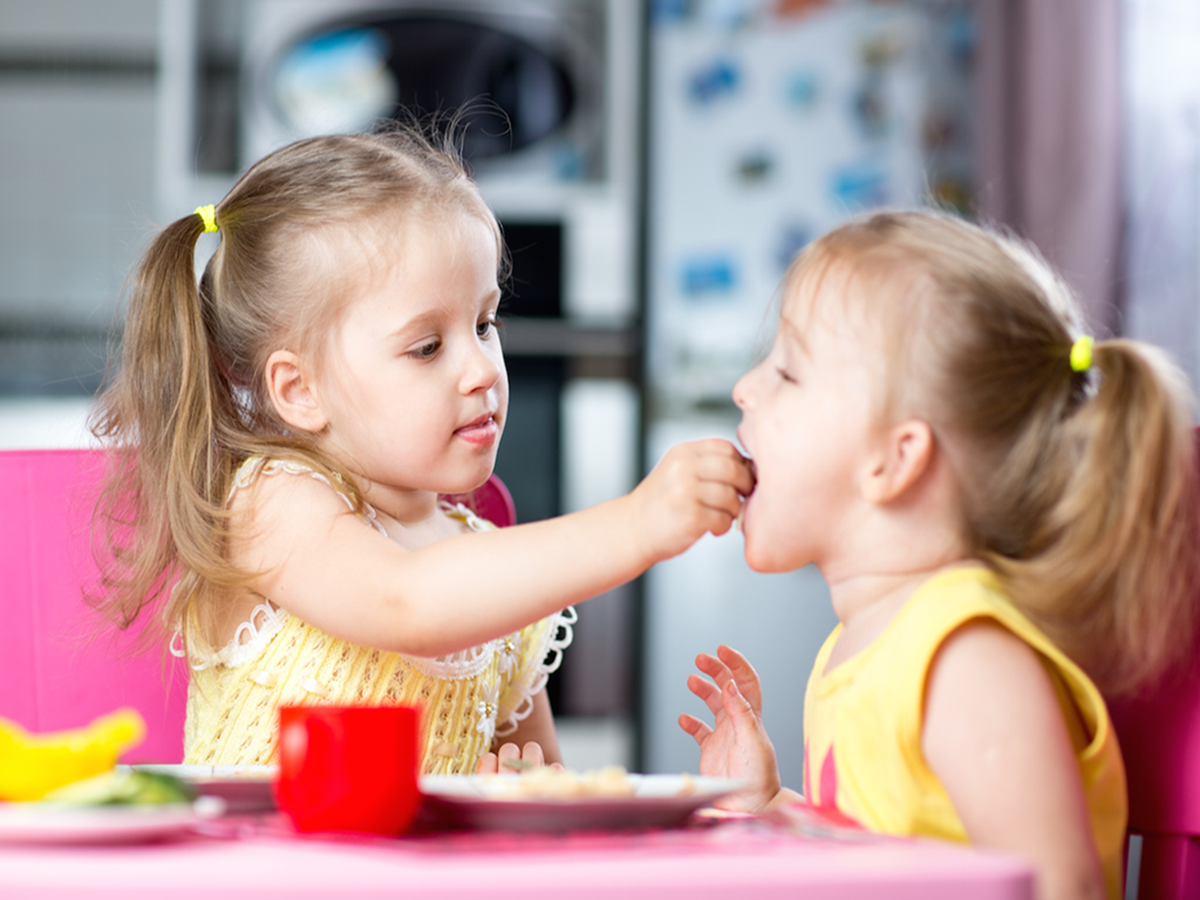
Use toys as a medium to teach children about family and relationships. Also, play group games with them; this reinforces the concept of living and interacting with others. Furthermore, teach them to share their toys with others.
PC Social Media