Parenting
Don't View Complaints from School as an 'Attack'; Instead, Collaborate with the Teacher to Become Your Child's 'Progress Partner'..

Parenting Tips: For every parent, that moment when a complaint arrives from their child's school can be a bit stressful. Whether it concerns academic negligence or a behavioral issue, the moment we hear a complaint, our minds often switch into "defense mode." We tend to feel that the teacher isn't truly understanding our child, or perhaps that the complaint casts doubt on our parenting skills.
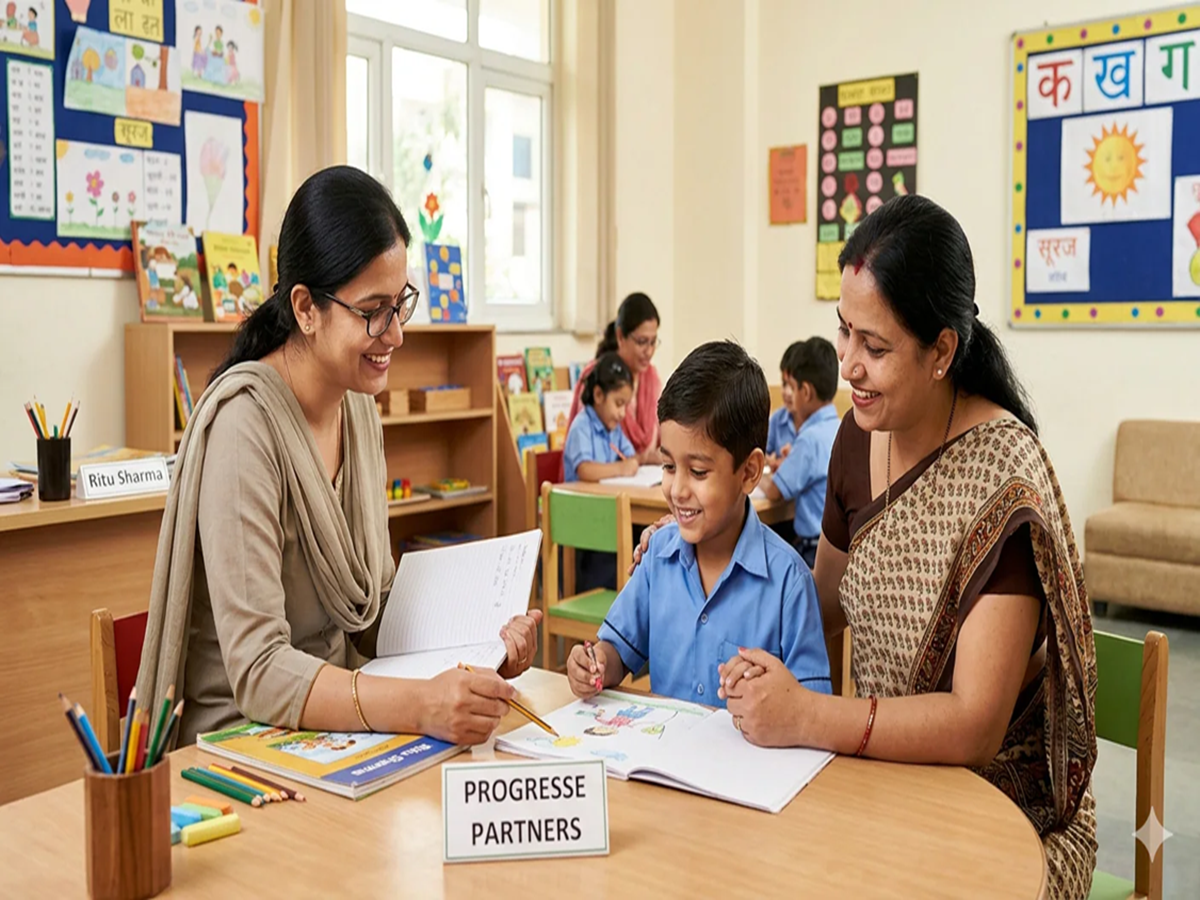
But wait a moment! Have you ever considered that this complaint might not actually be an "alarm," but rather an "opportunity"? If you view it as constructive feedback rather than a personal "attack," you will not only be able to help your child, but you will also build a reputation at school as an understanding and conscientious parent. Let's explore how you can collaborate with the teacher to become your child's "Progress Partner."
1. **Don't Take Complaints Personally**
When a teacher says, "Your child isn't paying attention in class," it doesn't mean your child is a "bad" kid or that you are a failed parent. A complaint from school simply indicates that your child requires the combined support of both you and the teacher in a specific area. Stay calm and listen to the full story.
2. **Understand the Teacher's Perspective (Empathy is Key)**
Remember, a teacher typically manages a class of 20 to 30 students. If they are calling you or requesting a meeting, it signifies that they are genuinely concerned about your child's progress. Frame the conversation by asking, "What steps should *we* take to improve the situation?" rather than, "Why did you say that?" When you demonstrate a spirit of cooperation, the teacher, in turn, becomes more empathetic toward you.
3. **Build a "Communication Bridge" Between Home and School**
A child's behavior can often differ between home and school environments. It is possible that issues or changes occurring at home—such as a family conflict, a recent move, or an illness—are impacting their behavior at school. Share these details with the teacher; this provides them with the necessary "context" to better understand your child's behavior.
4. Avoid the ‘Blame Game’; Seek Solutions
Upon receiving a complaint, parents often either shout at the child or begin pointing out the teacher's shortcomings. This approach can cause the child to become rebellious. Instead, ask the teacher: “What specific activities can we undertake at home to help the child show improvement?” When you request an action plan, you establish yourself as a ‘solution-oriented’ parent.
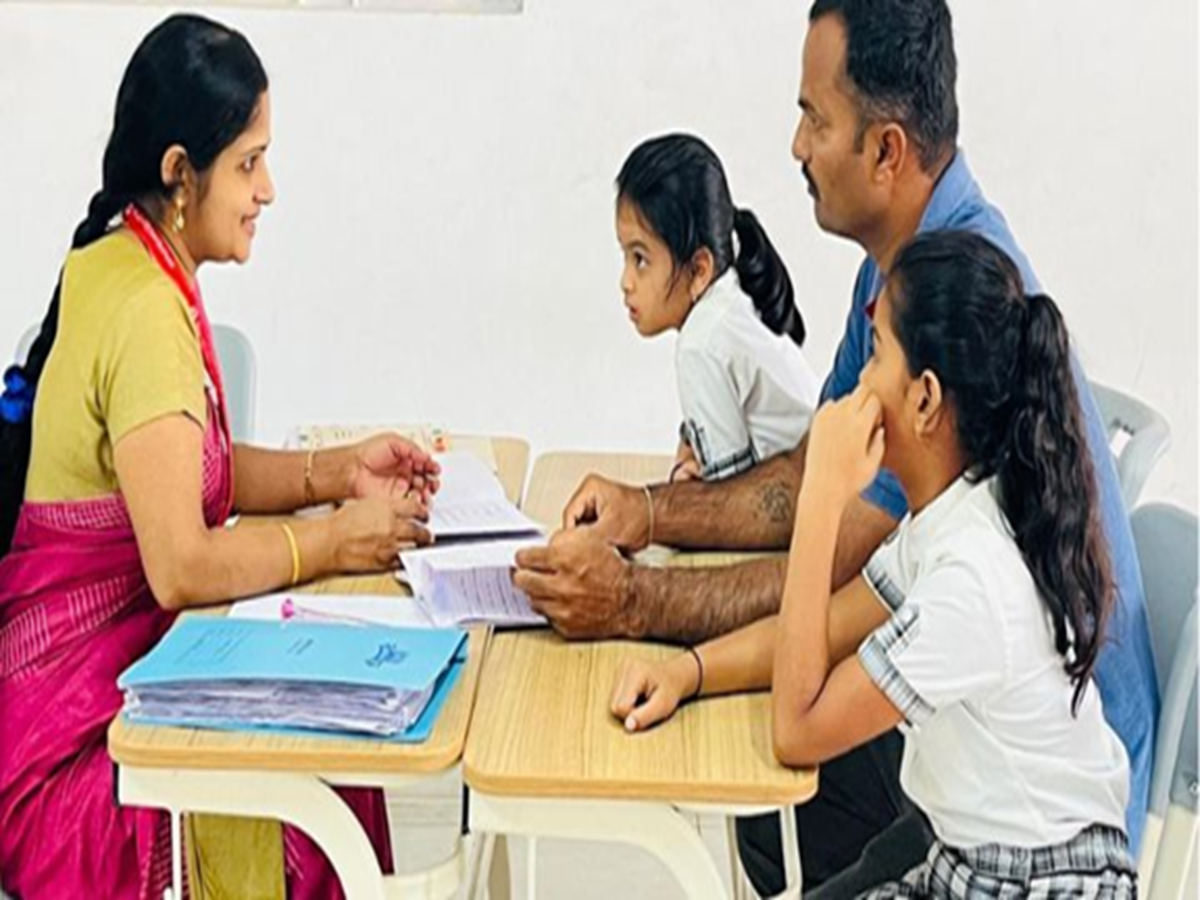
5. Don’t Forget to Follow Up
The most crucial aspect of becoming a ‘progress partner’ is consistency. Do not simply leave things after a single conversation. After 15–20 days, send the teacher a brief message or email to inquire whether any changes are visible in the child. Observing this proactive engagement on your part, the principal and staff will also commend you for the seriousness with which you approach your child's education.
Thus, it can be said that a child's success resembles a triangle with three vertices: the child, the parent, and the teacher. If even one of these vertices weakens, the child's development will remain incomplete. The next time a complaint arrives from school, take a deep breath and head to the school with a smile. Remember, you and the teacher are on the same team, and your shared goal is your child's bright future.
PC Social Media