LIFESTYLE
Double Grahan 2026: 15 days, two eclipses, and many warnings! Don't do these things, and who needs to be especially careful?
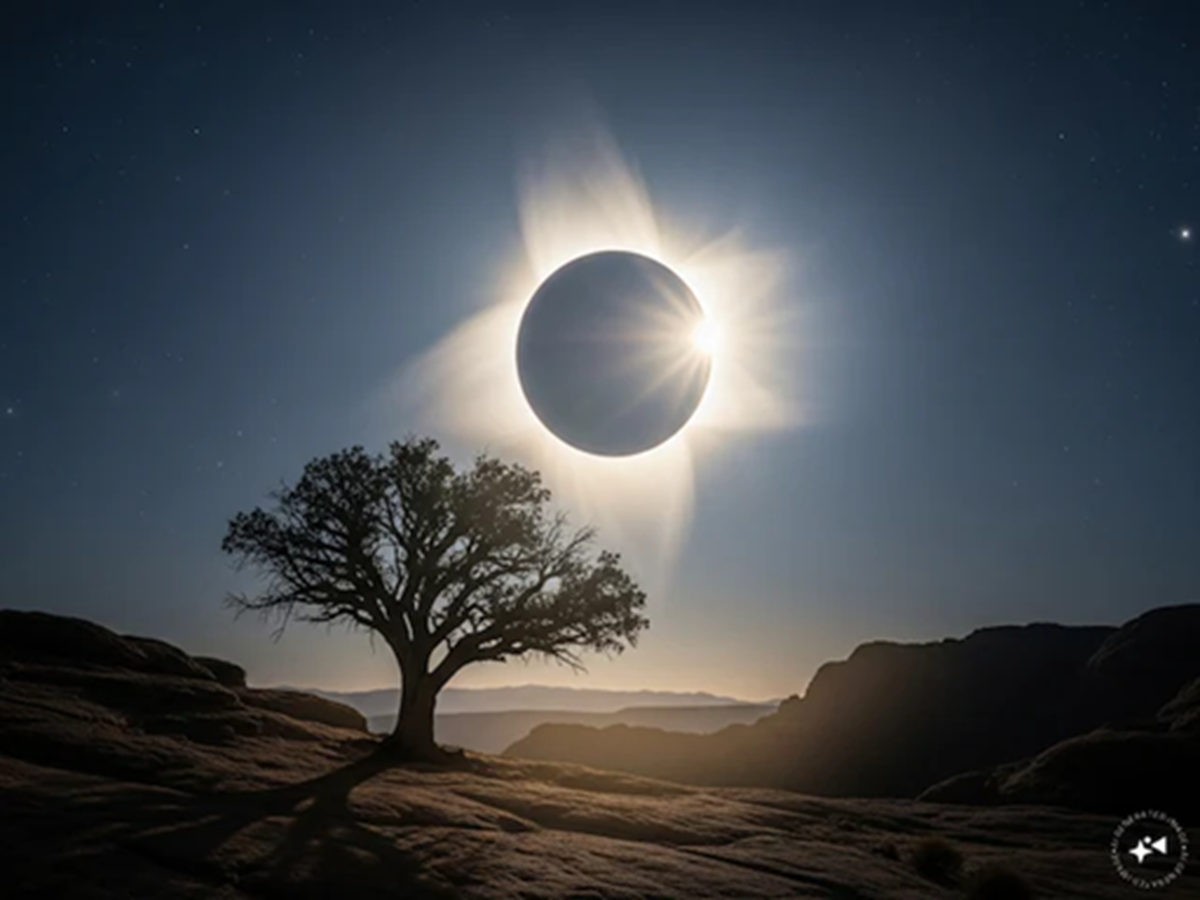
Double Eclipse 2026: The cold February breeze hasn't even fully receded yet, and the skies begin to tell a different story. This time, things are a little more interesting. In 2026, both solar and lunar eclipses will occur within a 15-day gap between February and March. While the public may be a little nervous, others consider it a spiritual sign. Social media is also abuzz with talk of a "double eclipse"—some are calling it a time of change, while others are simply calling it a celestial trick. In reality, two major eclipses occurring within the same month, while not rare, certainly generate discussion. This begs the question: do they truly have an impact, or are they simply a beautiful coincidence in the sky? Let's understand the whole matter.
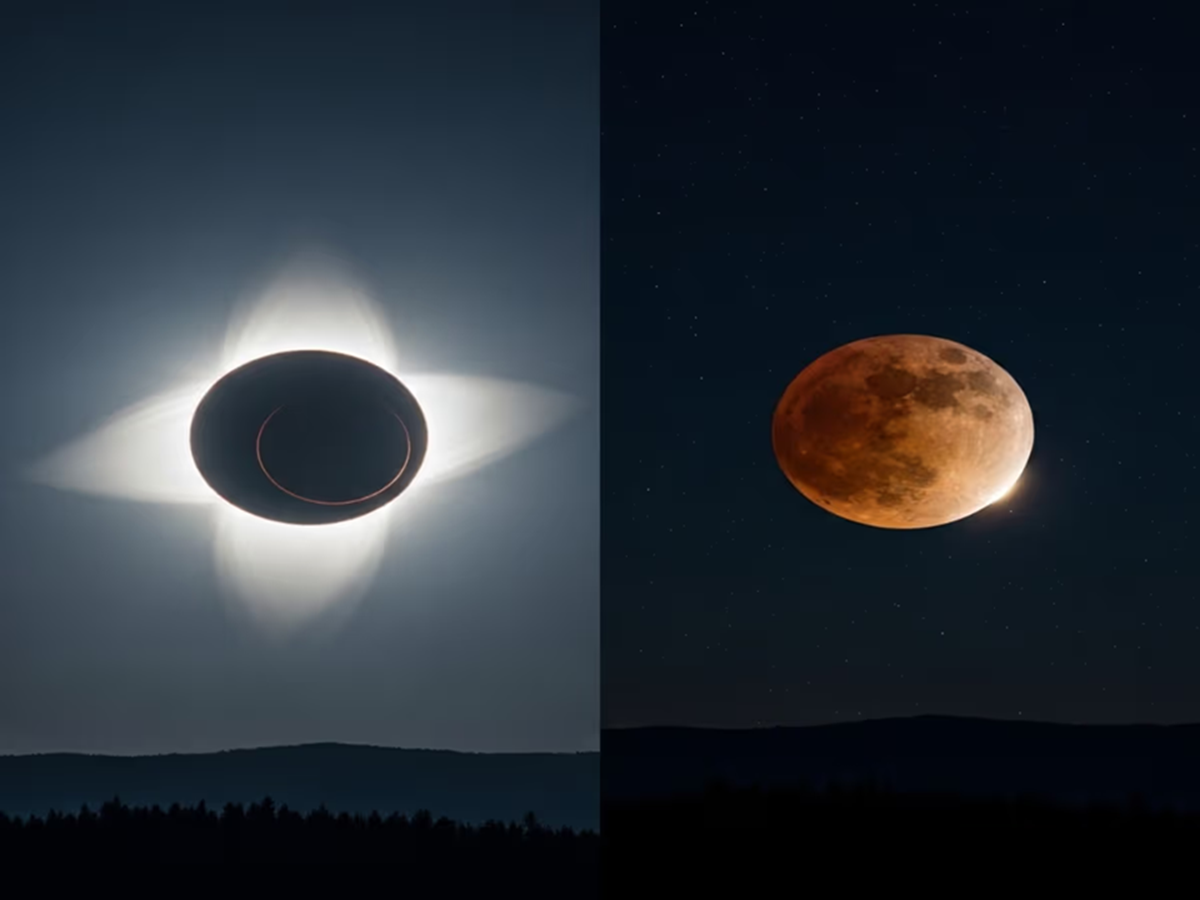
February-March 2026: When will the eclipses occur?
Solar Eclipse - February 17, 2026
The solar eclipse in February will be annular. This means the moon won't completely cover the sun, but instead, a black sphere will appear in the center and a ring of fire surrounding it. The time will be from the afternoon to the evening, but it will not be visible in India. Therefore, the Sutak period will not be observed here.
Lunar Eclipse - March 3, 2026
The second eclipse will occur around Holika Dahan. This lunar eclipse will be visible in India, hence the increased discussion about it. This eclipse, occurring at night, is also attracting attention due to religious beliefs.
Two Eclipses in 15 Days: What Does Astrology Say?
According to astrological belief, two eclipses in a short period of time are considered a sign of energy shifts. This is considered a time for introspection rather than fear. Some scholars believe that during such a time, social unrest, changes in weather patterns, or increased political activity may be seen. However, not every astrologer considers it inauspicious. Many consider it part of the natural cycle – just as the seasons change, so too does the sky.
How is its impact reflected in everyday life?
In rural areas, people still keep food covered on the day of an eclipse. In many homes, there is a tradition of performing puja, chanting mantras, and donating. Even in cities, some people practice meditation, believing it's a good opportunity to calm their minds. Some even link the stock market or world events to eclipses. But these are mostly based on beliefs, not solid evidence.
What to do during an eclipse?
From a spiritual perspective: Chant mantras or meditate, donate to the needy, and try to keep your mind calm.
From a practical perspective:
Avoid looking directly at the eclipse; be cautious with children; and use the correct solar filter if you must.
What not to do?
-Avoid looking at the sun without protection; consult a doctor immediately if your eyes are irritated; avoid rumors.
What do people believe about pregnant women?
Tradition dictates rest and avoiding excessive stress during eclipses. Avoid going out during eclipses. Also, avoid using sharp weapons.
What does science say?
According to scientists, eclipses are a completely normal astronomical phenomenon. They are created by the positions of the Sun, Earth, and Moon. No direct link to disasters on Earth has been proven. Yes, eye protection is necessary – that is the real precaution.
PC Social Media