LIFESTYLE
Drinking only water is not enough during the summer: Change these habits today to protect your skin and eyes from damage..

Intense heat and sunlight not only disrupt your sleep but also pose a risk of skin infections. The stinging sun and humidity can trigger skin infections and allergies, and throw your daily routine into disarray. Taking extra precautions *before* problems arise is often the most effective strategy for prevention.
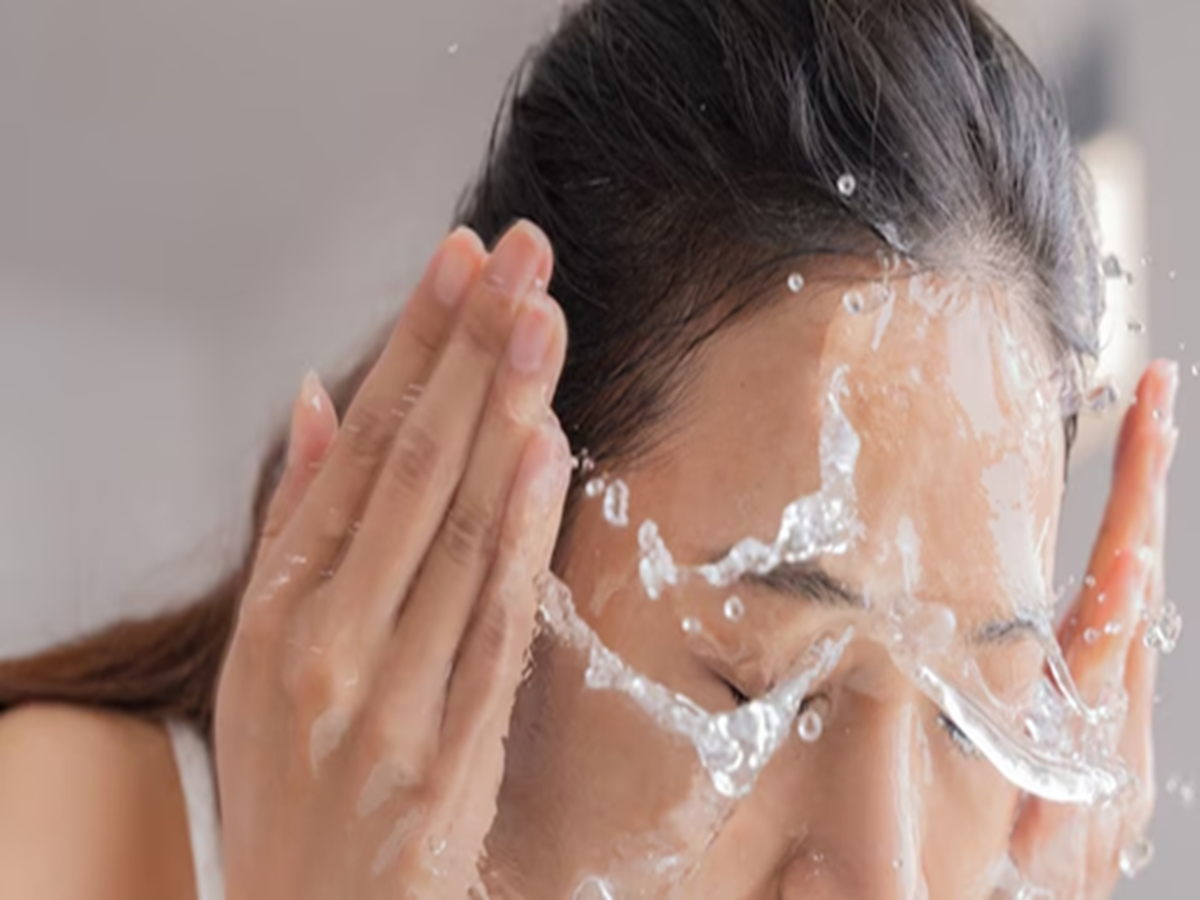
Simply staying hydrated isn't enough; it is equally important to pay attention to the small details of your daily routine. While these tips may seem familiar or commonplace, adhering to them can go a long way in keeping you safe.
Exercise particular caution regarding children, the elderly, and those suffering from underlying health conditions. Individuals with compromised immune systems are at a higher risk of developing eye or skin-related complications.
**Seasonal Fruits: Nature's Internal Sunscreen**
While applying sunscreen is essential for protection against the sun, did you know that seasonal fruits can also act as a form of "internal sunscreen," safeguarding your internal organs against the adverse effects of the heat? This protection benefits not only your general health but also your skin and eyes. People often tend to consume less *Amla* (Indian Gooseberry) during this season; however, it remains just as beneficial to consume it during the summer months.
*Amla* is rich in Vitamin C, which helps boost the body's ability to fight off diseases—thereby strengthening your immune system. Additionally, other seasonal fruits—such as watermelon, mangoes, and *Jamun* (Indian Blackberry)—are effective in providing protection against the sun and can be aptly described as "internal sunscreens."
Remember: in addition to drinking water, do not forget to consume water-rich foods such as cucumbers, watermelons, oranges, and strawberries. These foods not only keep your body hydrated but also provide your skin with essential nutrients. This also benefits your eyes, offering relief from issues related to dryness.
**Keeping Your Skin Healthy and Safe**
People often overlook their ears, neck, and hands when applying sunscreen. Just like your face, these areas are also susceptible to the damaging effects of the sun.
The sun's rays are at their most intense between 10:00 AM and 4:00 PM. Avoid going outdoors during this period, or ensure you take appropriate safety precautions if you do venture out.
Opt for moisturizers and serums containing hydrating ingredients such as hyaluronic acid, glycerin, and aloe vera. These ingredients help retain moisture within the skin, keeping it soft and supple.
Using a humidifier at home or in the office can help increase the moisture levels in the air and prevent the skin from becoming excessively dry.
If you use serums, choose gel-based formulas. Additionally, select serums that are enriched with antioxidants, such as Vitamin C.
If you have oily skin or are prone to acne, using a gel-based sunscreen is an excellent choice to prevent pores from becoming clogged.
**Pay Special Attention to Your Diet**
Vitamin C helps protect the skin from the sun's harmful rays. Ensure you incorporate this into your diet by including foods such as strawberries, bell peppers, and broccoli.
Omega-3 fatty acids help keep the skin hydrated and reduce inflammation. They are abundant in foods such as fatty fish (salmon, mackerel), chia seeds, and walnuts.
Consume foods rich in antioxidants. These help combat free radical damage caused by exposure to sunlight. You can find these nutrients in foods such as blueberries, spinach, and tomatoes.
**Soothe Your Eyes and Maintain Their Health**
If you experience eye irritation or fatigue, soak a cloth in cold water, wring it out, and place it over your eyes for a few moments.
Rinse your eyes with clean RO water; ordinary tap water often carries a risk of infection.

Using a cooling eye mask or slices of cucumber is also a beneficial practice.
Ensure you thoroughly remove all eye makeup after use; otherwise, residual makeup can cause irritation, itching, or even lead to eye infections.
Getting a good night's sleep is also essential for maintaining healthy eyes. Direct and prolonged exposure to air conditioning can cause the tear film in the eyes to dry out. This can lead to severe issues such as excessive dryness, irritation, and itching.
Incorporate antioxidant-rich fruits (citrus fruits and berries), leafy greens (kale and spinach), and carotenoid-rich vegetables (carrots and sweet potatoes) into your diet. This helps alleviate eye irritation and dryness commonly experienced during the summer season.
PC Social Media