
LIFESTYLE
During Chaitra Navratri, discover the difference between Shakti Peethas and Siddha Peethas—and the religious significance of both..
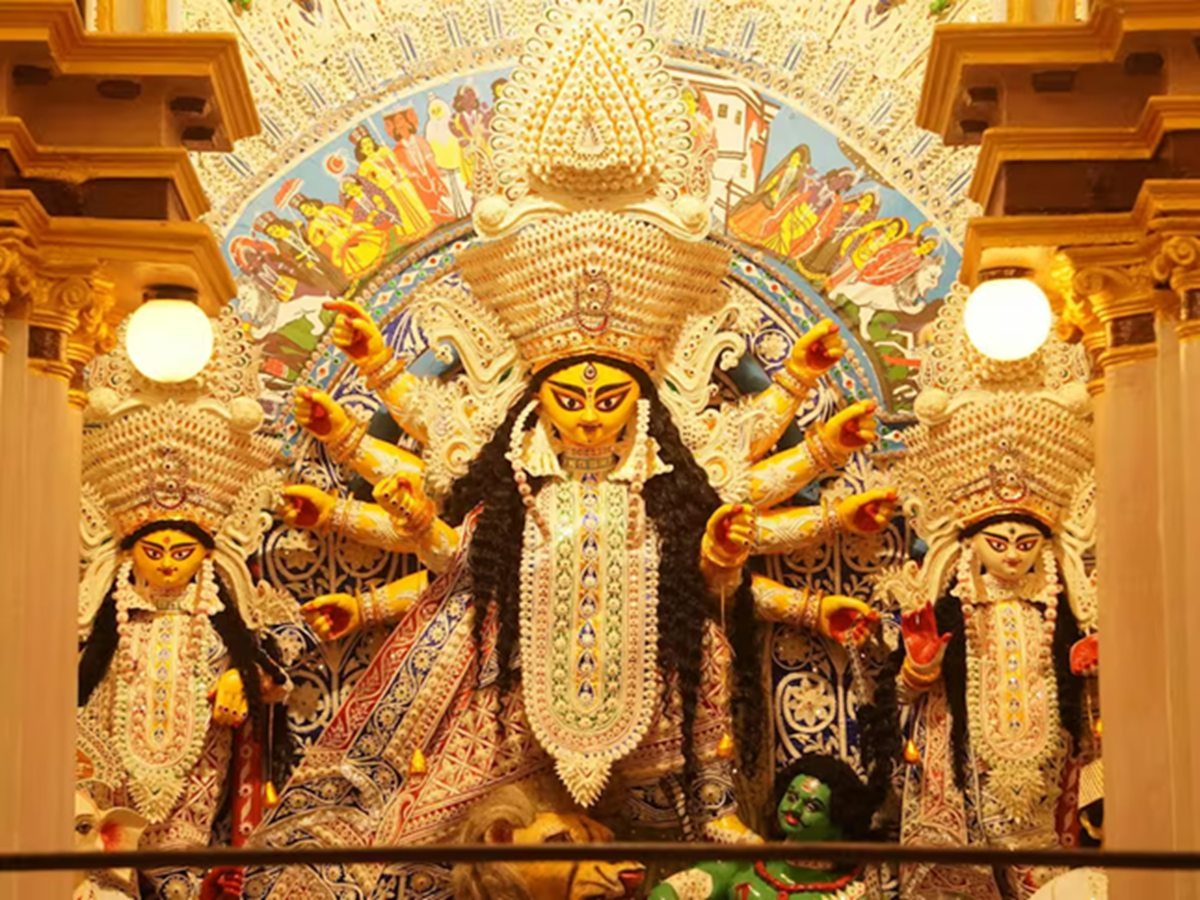
Chaitra Navratri 2026: Chaitra Navratri holds special significance in Hinduism. During this period, the nine forms of Goddess Durga are worshipped with elaborate rituals and strict adherence to scriptural norms. Massive crowds of devotees throng temples across the country. Devotees' faith reaches its zenith, particularly at *Shakti Peeths* and *Siddh Peeths*. But do you know the difference between these two categories and their specific religious significance? Let's find out...
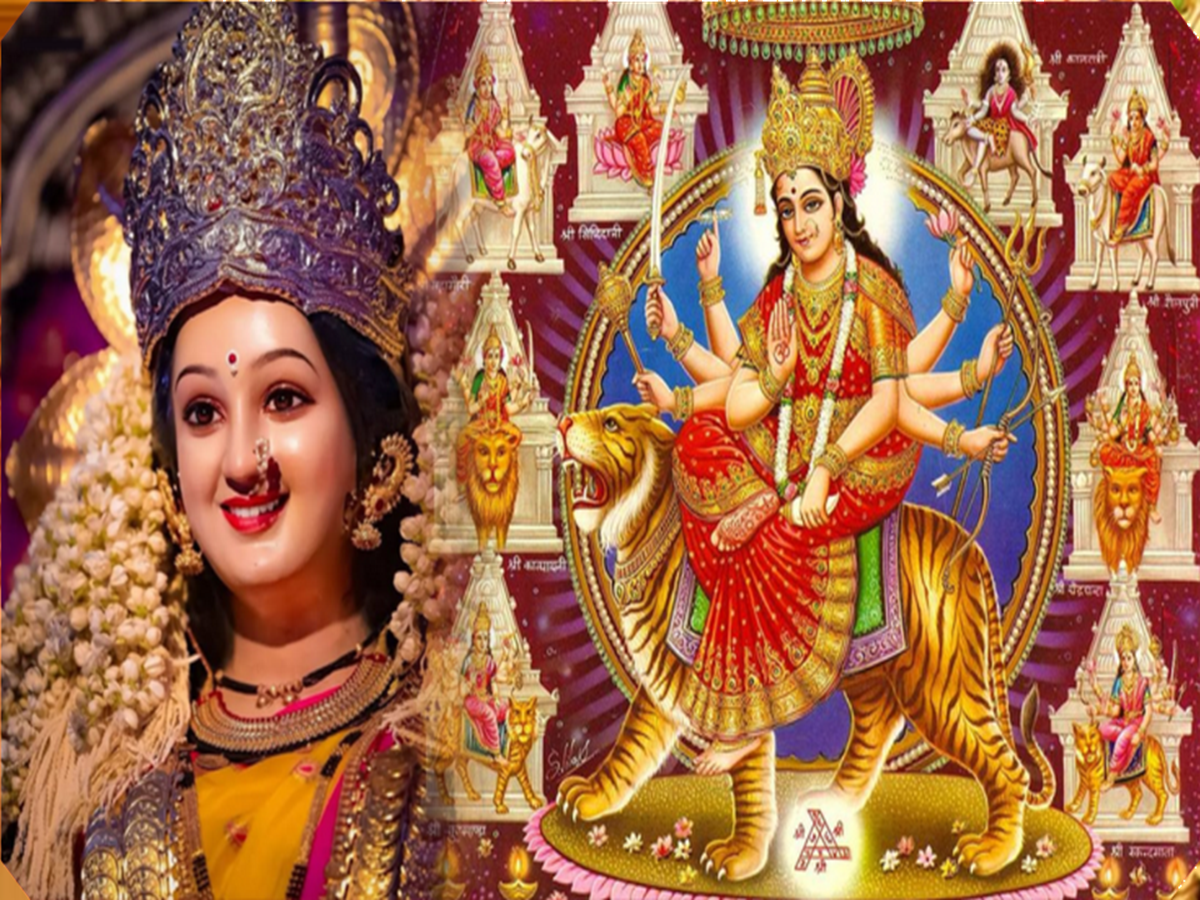
The festival of Chaitra Navratri is currently underway, and prayers and worship of the Goddess are being performed in households everywhere. Chaitra Navratri holds immense importance in the Hindu faith, and devotees flock in large numbers to temples across the nation to seek the blessings of the Mother Goddess. You may have often heard references to a specific temple of the Goddess being a *Shakti Peeth* or another being a *Siddh Peeth*. People often conflate the two, assuming them to be the same; however, from a religious perspective, there are distinct differences regarding their meanings, origins, and significance. During the occasion of Navratri, the faith of devotees reaches its peak at both *Shakti Peeths* and *Siddh Peeths*, and it is believed that the Goddess fulfills all the wishes of her devotees at both these sacred sites. Let us explore the differences between *Shakti Peeths* and *Siddh Peeths*...
What are *Shakti Peeths*? — *Shakti Peeths* are sacred sites intrinsically linked to the mythological legend of Goddess Sati and Lord Shiva. According to legend, when Goddess Sati immolated herself in the sacrificial fire (*Yagna*), Lord Shiva—overcome with grief—carried her lifeless body and began performing the *Tandava* (the cosmic dance of destruction). To bring an end to this cosmic turmoil, Lord Vishnu used his *Sudarshan Chakra* (divine discus) to sever the various limbs of Sati's body. The specific locations where these severed limbs fell came to be known as *Shakti Peeths*. It is believed that there are approximately 51 *Shakti Peeths* scattered across India and abroad, where the various manifestations of the Goddess are worshipped. These sites are revered as epicenters of divine energy and power.
What are *Siddh Peeths*? — *Siddh Peeths* are sacred sites where spiritual seekers, saints, or devotees have attained the special grace of deities—and achieved spiritual perfection (*Siddhi*)—through intense penance and ascetic practices. Furthermore, these are places where Goddess Durga herself is believed to have manifested or appeared in person. Prayers and worship performed at these specific locations are considered to be immensely fruitful and highly efficacious. Siddhpeeths are not necessarily linked to a specific mythological event; rather, their renown grows over time due to the miracles, spiritual practices (*sadhana*), and devotion witnessed there. Devotees visit these sites to seek the fulfillment of their wishes.
What is the primary difference between the two? — From a religious perspective, the fundamental distinction between a Shaktipeeth and a Siddhpeeth lies in their origin. Shaktipeeths are directly associated with the body parts of Goddess Sati, whereas Siddhpeeths are the result of spiritual practice and the attainment of spiritual powers (*siddhi*). In Shaktipeeths, the Divine Power (*Shakti*) is believed to manifest spontaneously, whereas in Siddhpeeths, this power is awakened through the faith and penance of devotees. Furthermore, Shaktipeeths are frequently mentioned in ancient scriptures, whereas Siddhpeeths have gained prominence gradually over the course of time.
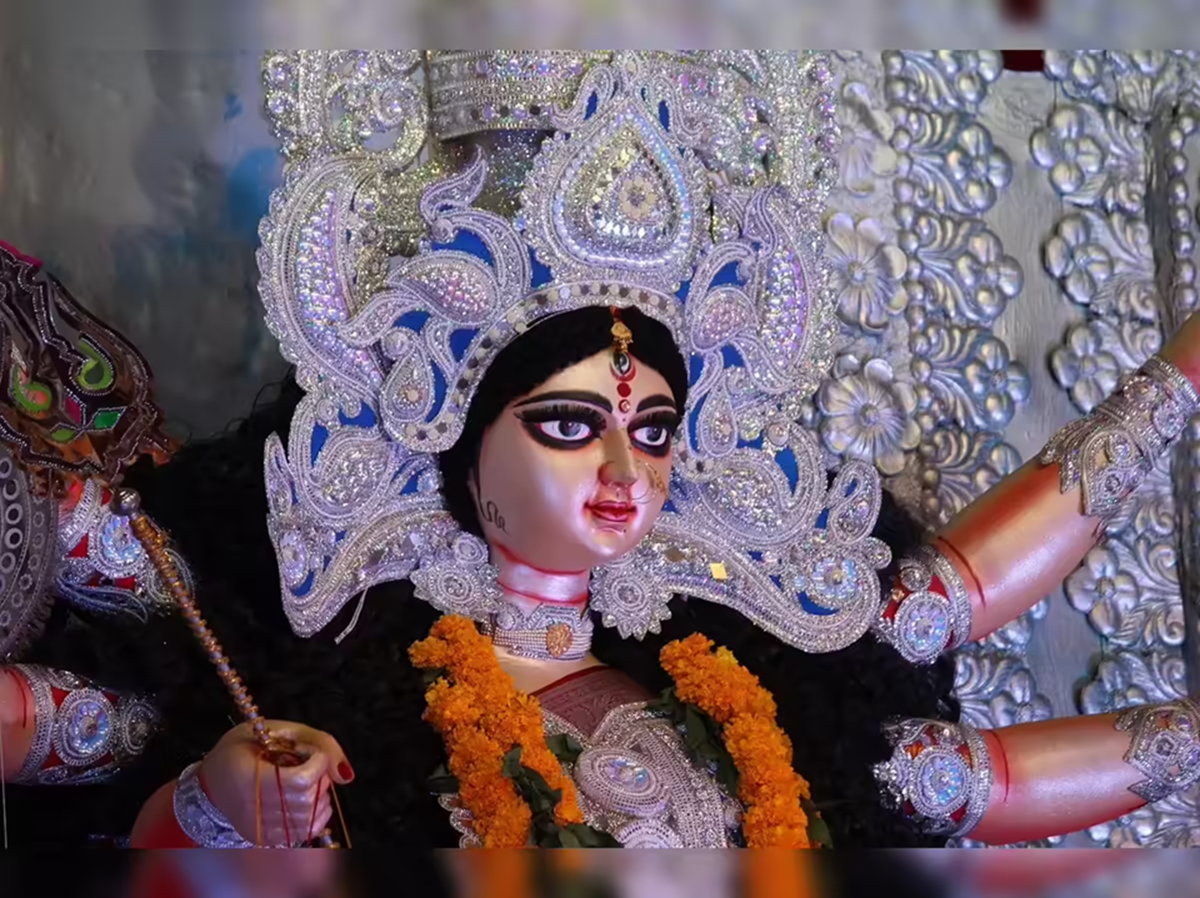
Significance during Chaitra Navratri — During Chaitra Navratri, special prayers, rituals (*havans*), and all-night vigils (*jagarans*) are organized at Shaktipeeths. Devotees visit these shrines to worship the Divine Mother and pray for happiness, prosperity, and strength in their lives. Similarly, large numbers of devotees flock to Siddhpeeths as well, observing fasts and performing rituals to seek the fulfillment of their desires. During this period, the temples are abuzz with special events and religious festivities.
PC Social Media


