LIFESTYLE
Epilepsy: Do you also believe that epilepsy is caused by ghosts or evil spirits? Learn everything about this disease in simple language..

Lifestyle and dietary imbalances are contributing to a continuously increasing burden of various diseases worldwide. People of all ages, from children to the elderly, are falling victim to these conditions. In a recent report published in Amar Ujala, we highlighted how health experts are viewing the rising prevalence of obesity as a rapidly growing epidemic. This increases the risk of not just one or two, but more than 60 different diseases.
Health experts say that neurological disorders are also emerging as a major and serious challenge. According to the World Health Organization (WHO), neurological diseases are among the leading causes of serious illness and disability worldwide. These diseases involve problems related to the brain, spinal cord, and nerves. Epilepsy, Alzheimer's, Parkinson's, and migraines are among the most prominent conditions.
To address the growing problem of epilepsy globally, dispel associated myths, and reduce discrimination against patients by raising awareness, International Epilepsy Day is observed every year on the second Monday of February (February 9, 2026). Are you also among those who still believe it's caused by evil spirits?
Epilepsy and Superstition
Health experts say that people with epilepsy often face discrimination due to misconceptions, superstitions, and social stigma. In India, many people associate epilepsy with sin or demonic possession. This leads to social discrimination against patients and also has a profound impact on their mental health.
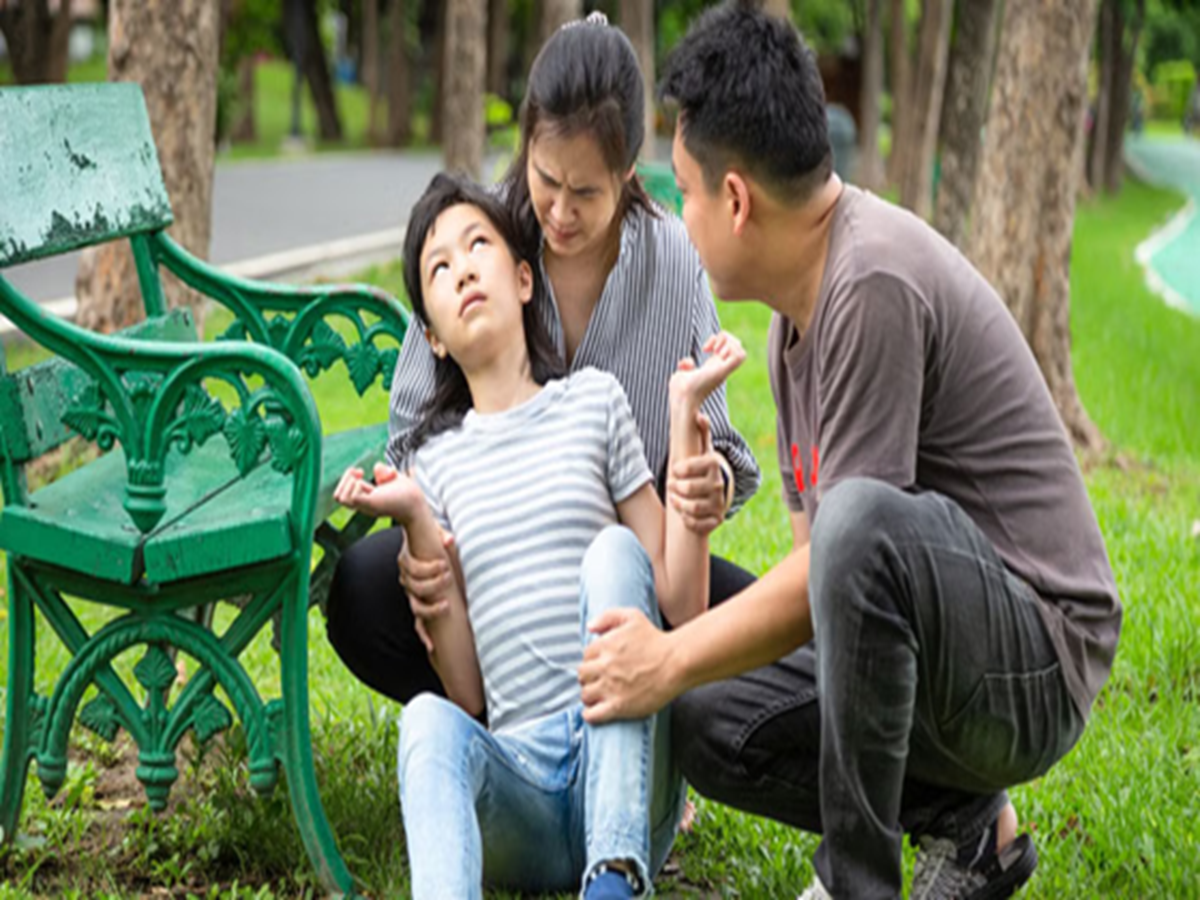
Epilepsy is a common neurological disorder characterized by seizures. During a seizure, the affected person may experience shaking of the limbs, foaming at the mouth, and upward rolling of the eyes. It can cause seizures, abnormal behavior, loss of sensation, and sometimes unconsciousness.
Health experts advise against resorting to exorcism and superstitions for treating epilepsy. It can be treated with medication and other medical interventions.
Ministry of AYUSH Emphasizes Raising Awareness
On the occasion of International Epilepsy Day, the Ministry of AYUSH, Government of India, emphasized awareness, understanding, and social inclusion for patients. The Ministry appealed to society to collectively reduce the stigma associated with epilepsy and promote informed, empathetic dialogue.
In many parts of the country, this problem is compounded by social and cultural factors. Many people associate epilepsy with the influence of evil spirits, sins from past lives, or supernatural powers. This leads to misdiagnosis, harmful practices, and stigma for those affected.
Moreover, epilepsy negatively impacts education, employment, marriage, and social life. The situation is particularly concerning in terms of employment.
Unemployment Takes a Toll on Patients
A survey in Kerala found that 58 percent of people with epilepsy were unemployed, compared to only 19 percent of the general population.
Employers often hesitate to hire such individuals. Seizures exacerbate social stigma, leading to low-paying jobs or unemployment. In many cases, it results in job loss.
Experts believe that while education and social status have improved over time, perceptions, stigma, and discrimination against people with epilepsy have not changed significantly. This also contributes to other health problems.
Higher Risk of Epilepsy in Men
Thanks to the efforts of the Indian Epilepsy Association, the Indian judiciary has clarified that epilepsy should not be considered a mental illness. Experts believe that awareness is crucial to reducing the burden of epilepsy. This includes better care, prevention, public awareness campaigns, and integrating patient care into existing programs.
Epilepsy can affect anyone, but it is generally more common in young children and the elderly. According to research published in 2021, men have a higher risk of developing epilepsy than women.
According to the World Health Organization, the cause of epilepsy cannot be determined in more than half of the people affected.
PC Social Media