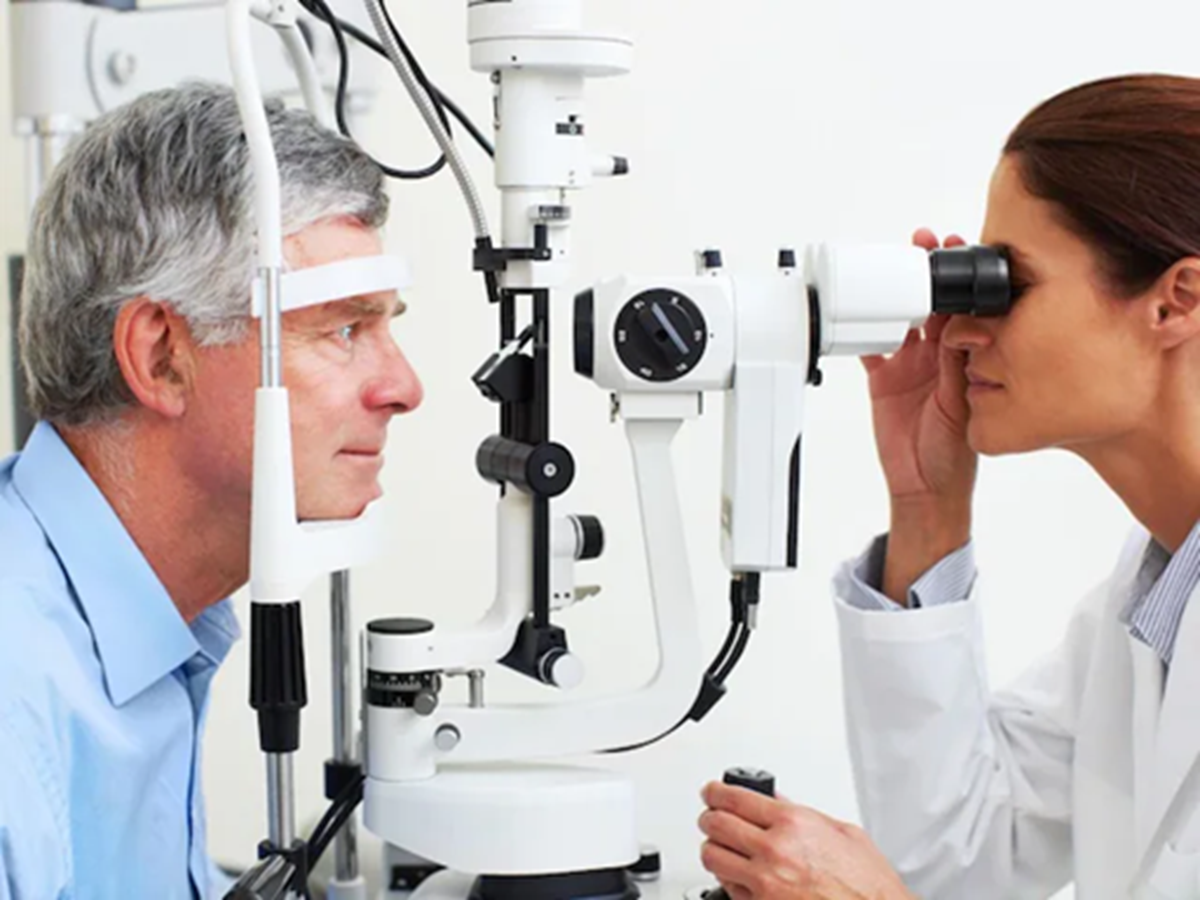
The eyes are a vital part of our body. However, the excessive use of gadgets—such as mobile phones, computers, and televisions—combined with general negligence, can have a detrimental effect on our eyes. Eye-related problems tend to escalate, particularly after the age of 40. Consequently, health experts recommend undergoing regular eye check-ups once you reach this age.

**Why are Eye Tests Necessary?**
According to the National Health Mission (NHM), the simplest and most effective way to preserve one's eyesight is to undergo periodic eye examinations. After the age of 40, if vision becomes slightly blurred or nearby objects appear indistinct, people often dismiss these symptoms as normal and ignore them—an ill-advised practice. Timely check-ups can help detect several serious eye conditions in their early stages, thereby making their treatment much easier.
**Eye Changes After 40**
It is natural for the eyes to undergo various changes after the age of 40. At this stage of life, blurred vision when viewing nearby objects becomes a common issue. Furthermore, the risk of developing conditions such as glaucoma and diabetic retinopathy also increases. Since these diseases progress gradually in their initial stages and do not immediately manifest obvious symptoms, regular eye examinations become essential.
**How Often Should You Get an Eye Test?**
According to experts, every individual over the age of 40 should undergo a comprehensive eye examination at least once a year. However, if a person suffers from diabetes or high blood pressure or has a family history of eye-related diseases, it is advisable to undergo a check-up once every six months. Timely examinations facilitate early detection of diseases, thereby simplifying the treatment process.

**How to Care for Your Eyes**
Adopting certain habits is crucial for maintaining healthy eyes. One should avoid spending excessive time in front of screens and limit the usage of mobile phones and computers. It is essential to always read under adequate lighting and to give your eyes regular breaks to rest. Additionally, maintaining a balanced and nutritious diet is of paramount importance. Fruits and vegetables such as carrots, spinach, broccoli, oranges, kiwis, almonds, and blueberries are particularly beneficial for eye health. They contain Vitamins A, C, and E, lutein, and Omega-3 fatty acids, which strengthen eyesight.
PC Social Media