LIFESTYLE
Floods & Diseases: Heavy rain and flood alert for Mumbai; risk of various diseases may rise; doctors issue warning..

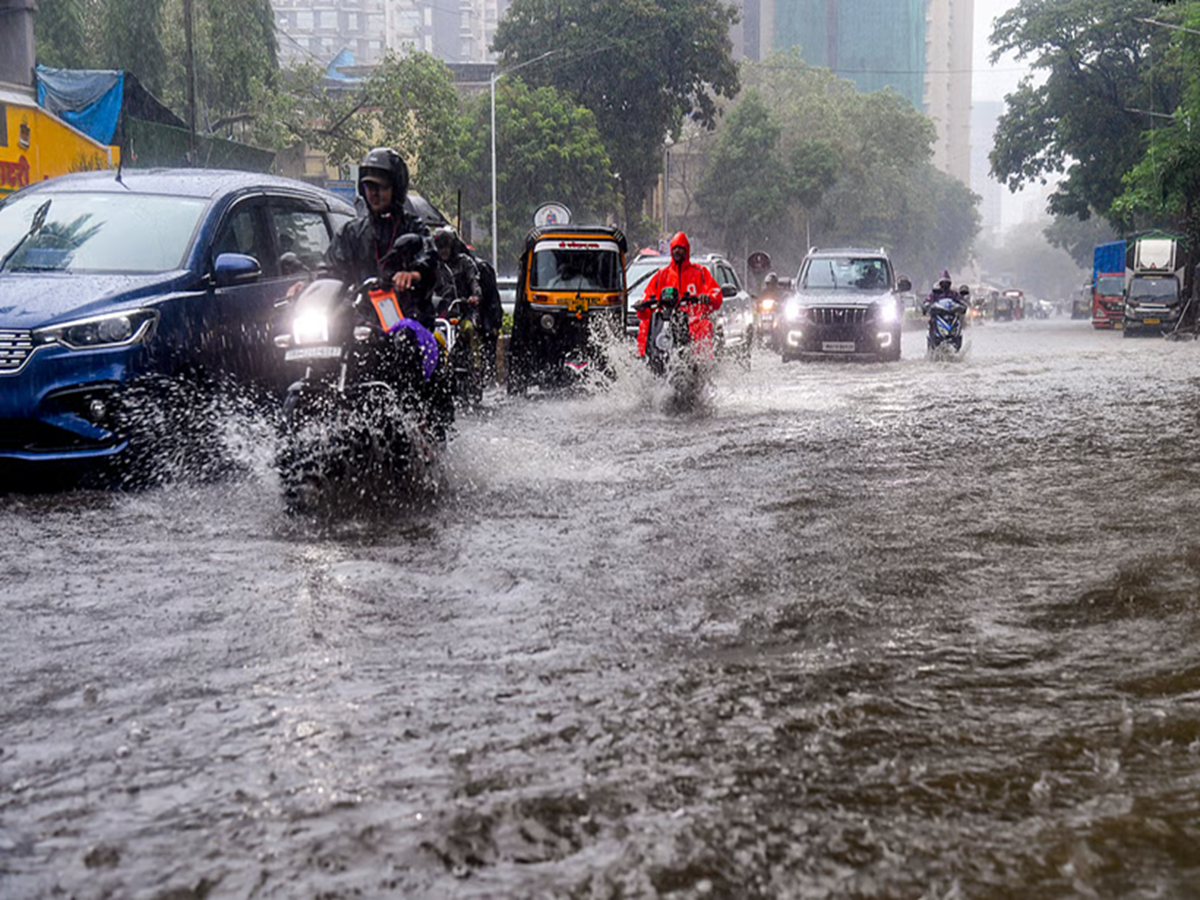
Mumbai is currently grappling with heavy rainfall, waterlogging, and flooding. Reports from various areas indicate flood-like conditions in several places. On Monday, heavy rains disrupted air travel, leaving several ministers and MLAs from Nagpur stranded and unable to attend the first day of the Maharashtra Legislative Assembly's monsoon session.

Disaster Management Minister Girish Mahajan stated that 13 people have lost their lives in rain-related incidents over the past three to four days. Mumbai and its neighboring districts, Palghar and Raigad, witnessed record-breaking rainfall. Meanwhile, Chief Minister Devendra Fadnavis has warned that conditions may remain grim on Tuesday as well; consequently, the state administration has been placed on high alert.
Rain and floods also pose significant health risks. During floods and waterlogging, sewage water can mix with drinking water, and garbage and filth spread into the open, creating a risk of disease outbreaks.
Let us look at the diseases that pose a threat in flood-affected areas and the precautions everyone should take.
Health experts state that health risks persist both during and after the floods. The risk of diseases caused by mosquitoes and contaminated water increases significantly in such areas. If you live in a region prone to waterlogging after rains, it is crucial to be vigilant about your health.
Risk of Leptospirosis
Leptospirosis is a bacterial infection that spreads through contact with water contaminated by the urine of infected rats, dogs, and other animals. The risk of this disease spreading rapidly is high during periods of heavy rain and flooding.
If a person with a cut or wound on their body walks through contaminated water, the bacteria can enter the body.
Initial symptoms may include high fever, headache, muscle pain, redness of the eyes, and vomiting.
In severe cases, damage to the kidneys, liver, and lungs can occur. Mosquito-borne diseases
Water stagnation following rainfall can create breeding grounds for mosquitoes. Such conditions favor the breeding of *Aedes aegypti* mosquitoes, potentially increasing the risk of Dengue.
Symptoms of Dengue include high fever, headache, pain behind the eyes, severe body and joint pain, and red skin rashes.
In severe cases, platelet counts drop, raising the risk of bleeding.
Apart from Dengue, flood-prone areas also carry a risk of Malaria and Chikungunya.
Risk of Typhoid infection
Drinking water often becomes contaminated during floods. Consuming contaminated water or food prepared with it can lead to Typhoid.
It is an infection caused by the *Salmonella typhi* bacterium. Symptoms include high fever, weakness, abdominal pain, constipation, and diarrhea.
If left untreated, it can lead to a severe intestinal infection.
To reduce the risk of Typhoid, drink only boiled or filtered water, avoid street food sold in the open, and maintain hand hygiene.
Be alert to these diseases as well.
Consuming contaminated water during rains and floods can spread Hepatitis A and E infections. These viruses directly affect the liver.
Post-flood waters may contain bacteria like *Vibrio cholerae*, which causes cholera. Additionally, various other bacteria and viruses can trigger diarrhea.
If you experience high fever, persistent diarrhea or vomiting, skin rashes, jaundice, breathing difficulties, or weakness after rains or floods, do not dismiss it as a common viral fever. Timely diagnosis and treatment can prevent serious complications.
PC Social Media