Food & recipe
From the coolness of phirni to the warmth of halwa, these Punjabi sweets still rule hearts...
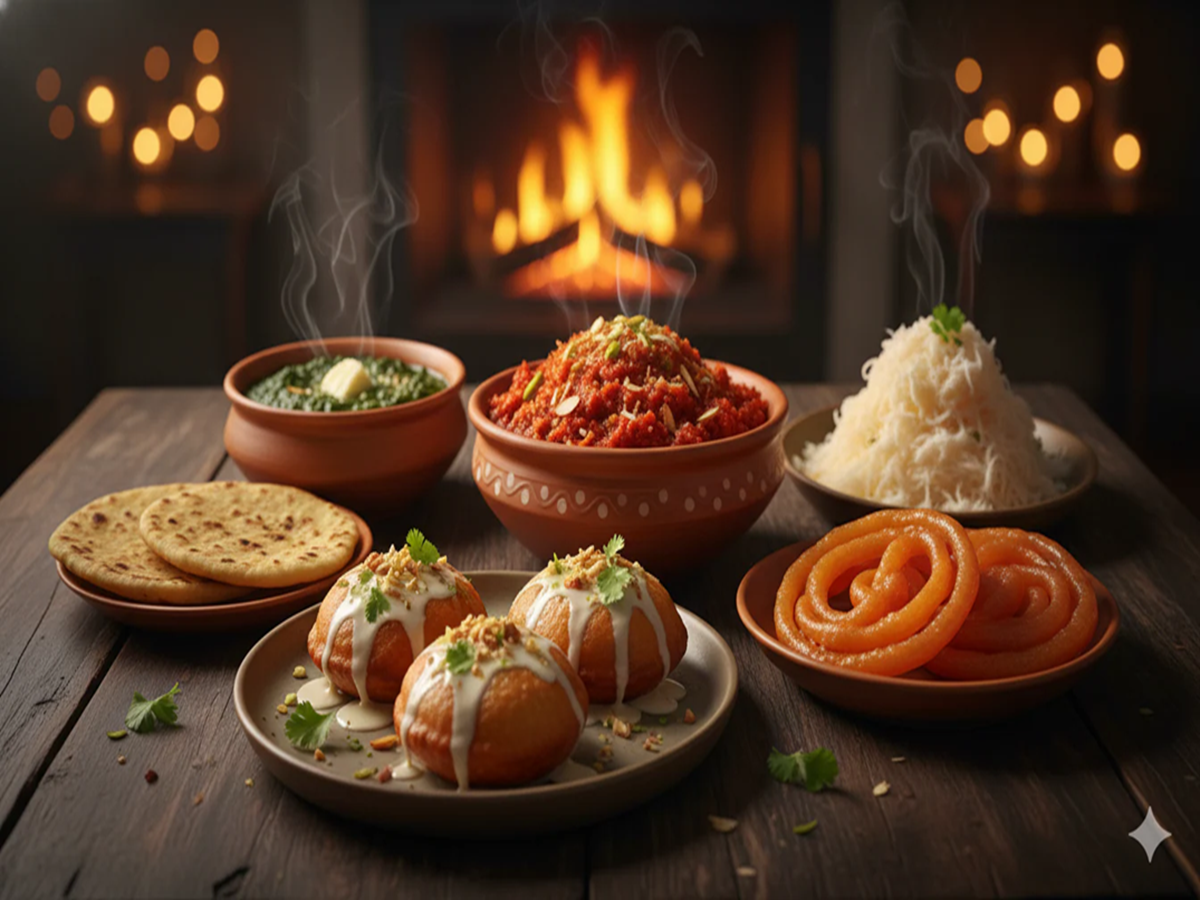
The soil of Punjab not only grows crops but also gives birth to flavor, tradition, and a sense of belonging. The sweets here are not just edible treats, but sweet memories of winter sunshine, festive cheer, and family time. They tell the story of culture, hard work, seasons, and relationships. From the Vedic period to the Mughal era and today, these sweets keep alive the sweetness of Punjab, which lingers not just on the tongue but in the heart.
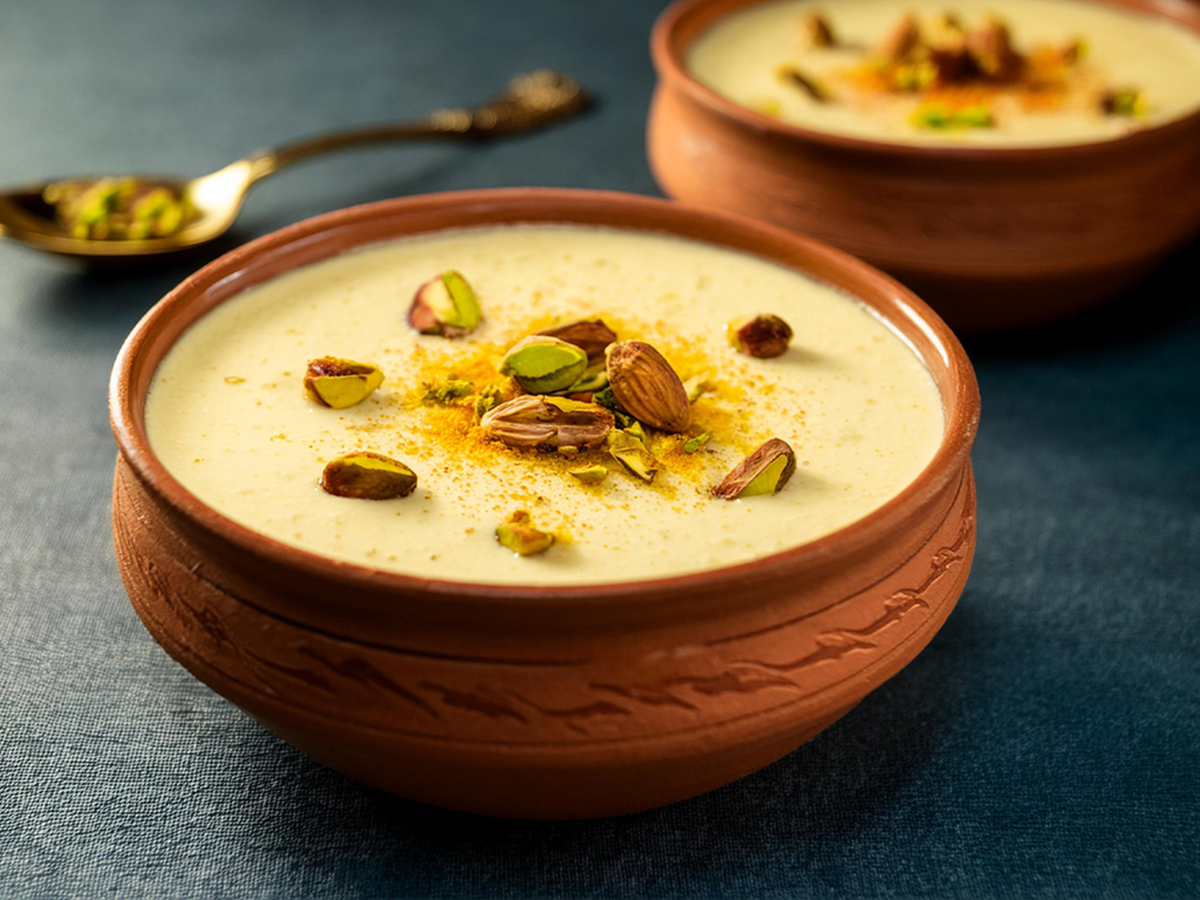
A Tradition Rooted in Clay Pots
Firni is a sweet that evokes a sense of peace, tranquility, and simplicity. Its history is believed to date back to the Mughal period. Made from milk and coarsely ground rice, Firni holds a distinct identity from Kheer. In Punjab, Firni is typically served frozen in clay pots (shikore). The earthy aroma enhances the taste of Firni. Serving Firni at weddings, religious occasions, and festivals is considered a way of showing respect and belonging. Serving Firni to guests is considered a heartfelt welcome.
The Sweetness of Health
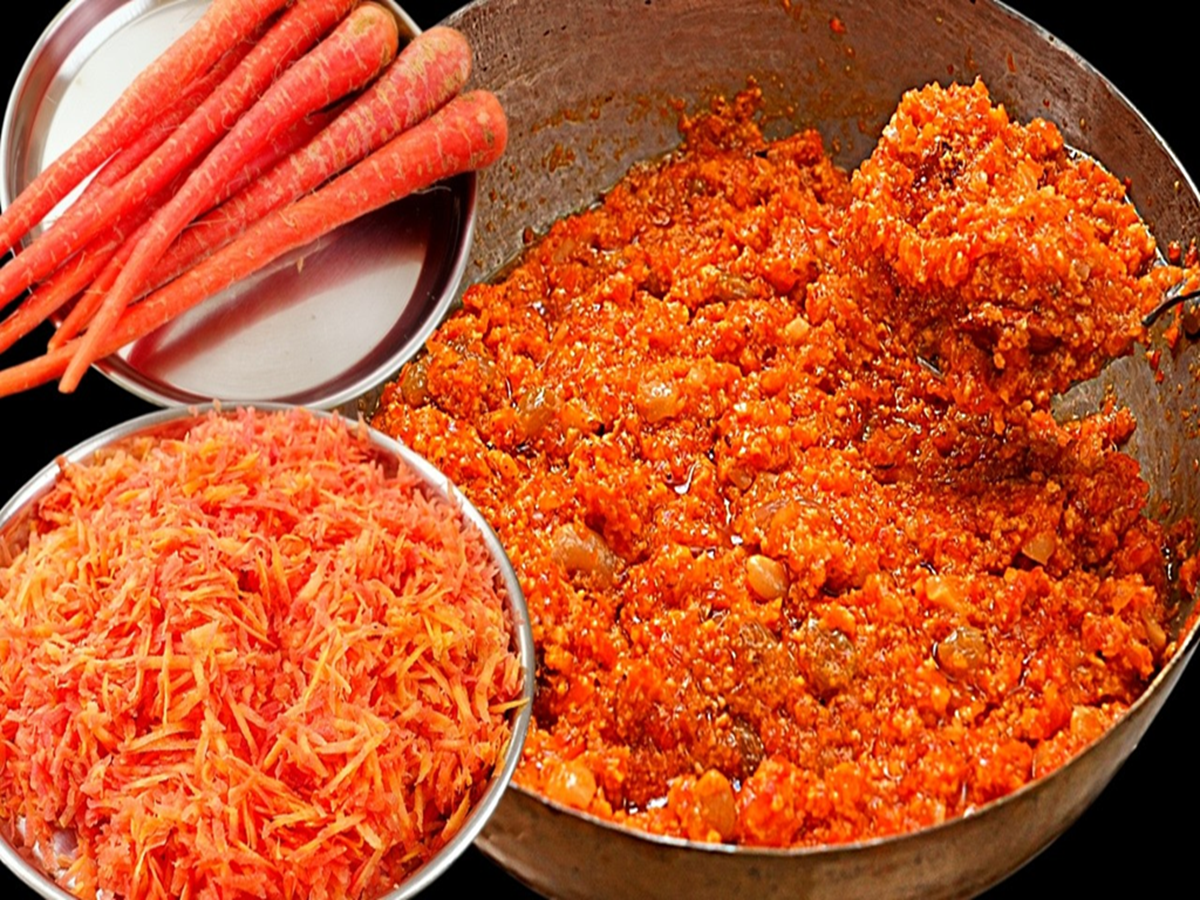
Gajar ka Halwa is one of the most beloved sweets in the Indian subcontinent. It is believed to have originated during the Mughal period, when royal chefs drew inspiration from Persian and Central Asian sweets and adapted them to Indian tastes. North India, especially Punjab, has a bountiful harvest of red local carrots. Sweets made with ghee, milk, and nuts were considered essential for keeping the body warm during the winter, and Gajar ka Halwa perfectly met this need. The halwa cooked over low heat, its aroma permeating the house, and the desi ghee drizzled on top, hardly any home would have made Gajar ka Halwa during the season.
The Sweetness of a Hard Life
Punni is one of Punjab's oldest and simplest sweets. It originated in a time when Punjab was largely agrarian, with people toiling in the fields all day long. They needed a sweet that would energize, warm the body, and last long. Made from ghee, wheat flour or semolina, and jaggery, Pinni is the result of this need. It is distributed on auspicious occasions like weddings, the birth of a child, and Guru Purnima. While dried fruits, cardamom, and saffron have been added today, its spirit still retains its simplicity and familiarity.
Happiness in Crispy Layers
Punjab's traditional sweet, Patisa, is known for its crispy and layered texture. Made from ghee, flour, and sugar/jaggery, this sweet requires considerable patience and effort. Patisa is widely consumed during festivals and weddings in Punjab. Because of its long shelf life, it was typically prepared for guests and children. Over time, it has evolved into many variations, but its traditional flavor remains the same.
PC Social Media