
LIFESTYLE
Gangajal Rules: From bathing to home worship, why is Gangajal considered essential everywhere? know..
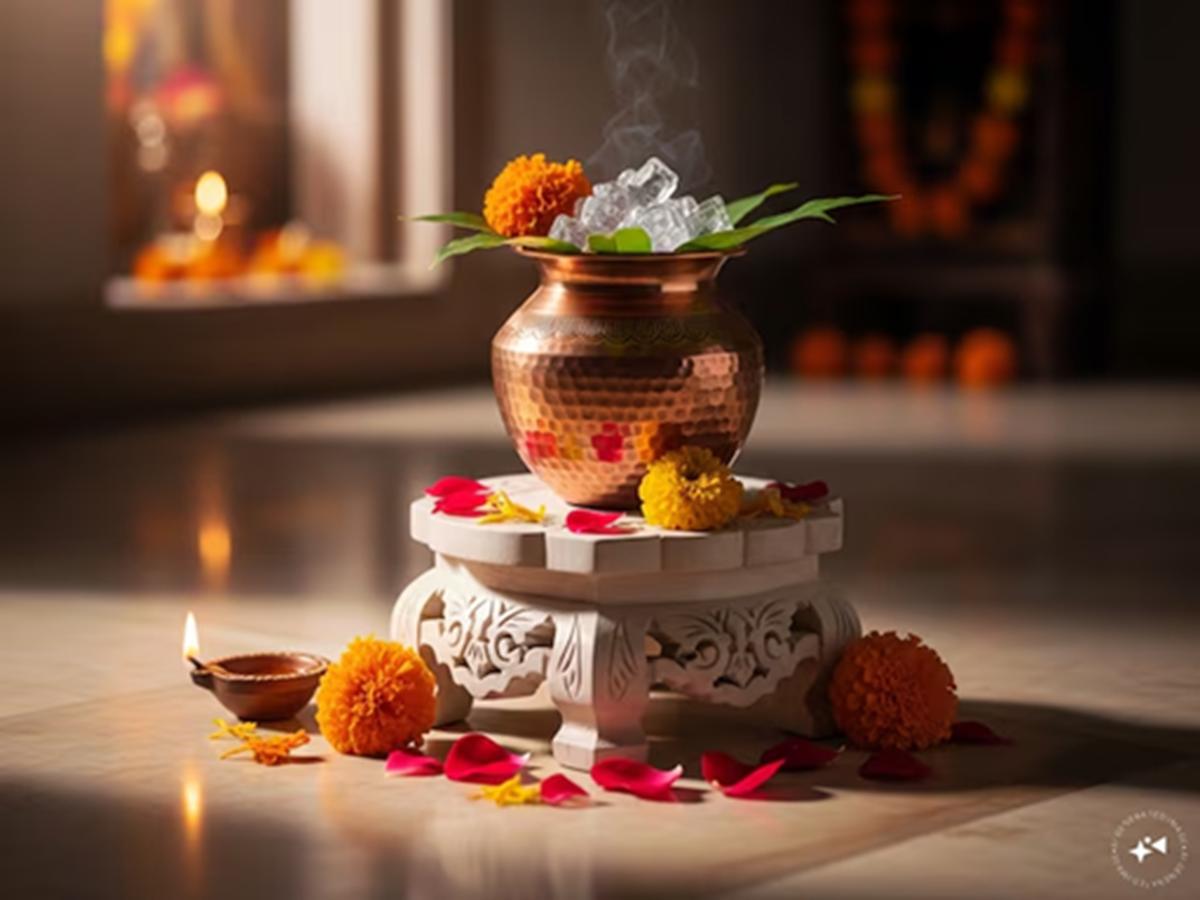
Gangajal Rules: In India, if any river is called a mother, it is not just a stream of water, but a flowing symbol of faith. From the small bottle kept in the home temple during childhood to the last rites, Gangajal (Ganges water) stays with us at every turn. But have you ever wondered why Gangajal is considered so sacred? Why is it said that even a single drop of it can change the atmosphere? There are not only religious reasons, but also traditions, experiences, and some practical reasons behind this. From bathing in the Ganges to bringing its water home and storing it, the scriptures describe several rules that people still follow today. Let's learn about the importance of Gangajal and the important rules associated with it, in simple and clear terms.

The Importance of Gangajal in Sanatan Tradition
In Hinduism, the Ganges is called 'Patitpavani' (purifier of sinners). It is believed that the Ganges originated from the feet of Lord Vishnu and descended to Earth from the matted locks of Lord Shiva. This is why Gangajal is considered as sacred as Charanamrit (nectar from the feet of a deity). It is said that merely seeing the Ganges lightens the mind. Many people say that sitting on the banks of the Ganges gives a unique sense of peace that cannot be described in words.
Why is Gangajal called Vishnu's Charanamrit?
According to religious stories, the water that flowed from Lord Vishnu's thumb became the Ganges. This is why Gangajal is considered like nectar. It is believed that its consumption or touch reduces the flaws of life and protects a person from untimely death. The story of King Bhagirath bringing the Ganges to Earth also shows that Gangajal is considered a means of salvation not only for individuals but for generations.
When is it considered auspicious to collect Gangajal?
Auspicious Dates and Days
While Gangajal can be collected on any day, some dates are considered more auspicious. For example, Amavasya, Purnima, Ekadashi, Sankranti, Ganga Saptami, and Ganga Dussehra.
Collecting Gangajal on Mondays, Mahashivratri, and during festivals like Kumbh Mela is considered especially fruitful. The Importance of Brahma Muhurta
Tradition says that filling a container with Ganges water during Brahma Muhurta (the auspicious time before sunrise) is considered best. The atmosphere is calm at this time, and the water is believed to possess heightened spiritual energy.
Where and How to Keep Ganges Water at Home
It is considered auspicious to keep Ganges water in a clean and sacred place in the north direction of the house. People usually keep it in their prayer room. Regarding the container, brass, copper, or bronze vessels are considered most suitable. Keeping Ganges water in a plastic bottle for a long time is not considered appropriate; if it has been brought in a plastic bottle out of necessity, it should be transferred to a metal container as soon as you reach home.
Common but Important Precautions Related to Ganges Water
Avoid These Mistakes
It is considered essential to bathe at home and at the Ganges riverbank before collecting Ganges water. One should refrain from filling the Ganges water without bathing or in an impure state. Never keep Ganges water in a dark, dirty, or impure place. Cleanliness should be maintained even while touching it, as it is believed that devotion and adherence to rules go hand in hand.
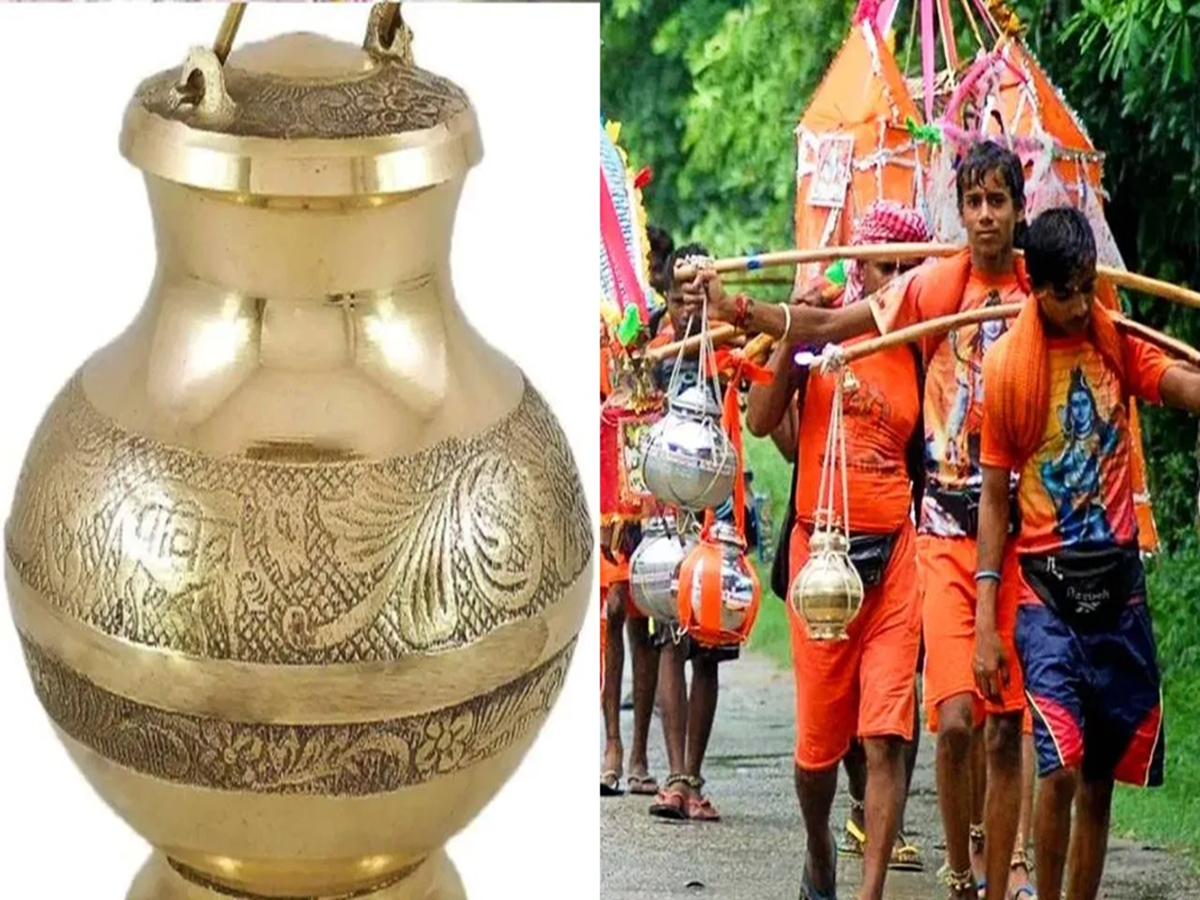
The Place of Ganges Water in Modern Times
Even though life has become fast-paced today, the importance of the Ganges water has not diminished. Its presence in weddings, housewarmings, and religious ceremonies shows that faith is still a part of our daily lives. This is not just a belief, but an experience passed down through generations.
PC Social Media