LIFESTYLE
Garuda Purana: Are You Also Keeping These Belongings of the Deceased? Which Items Should You Steer Clear Of?
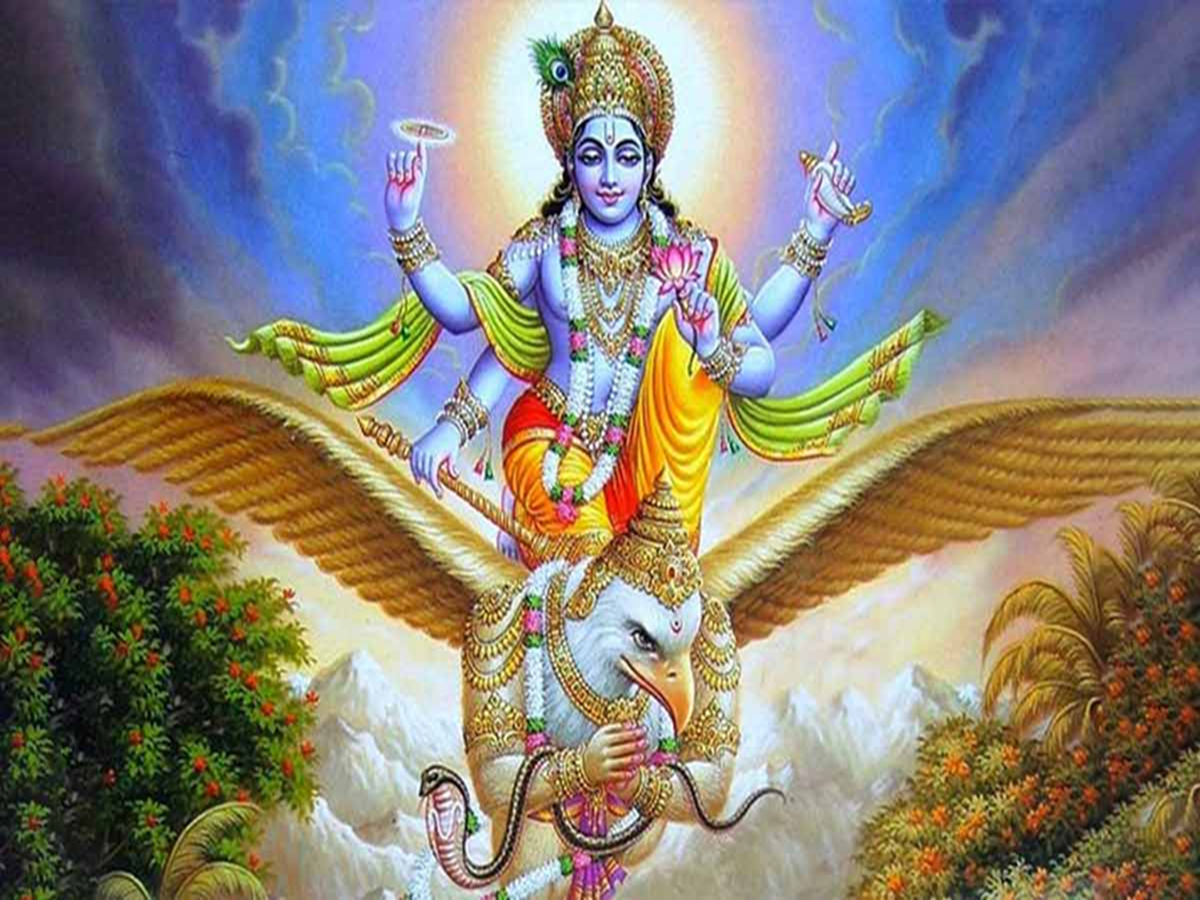
Garuda Purana Rules: After the passing of a loved one in the family, the most difficult challenge is not merely enduring the grief, but also dealing with the belongings associated with them. Clothes kept in the wardrobe, a watch worn daily, bedding, or even small trinkets can suddenly evoke overwhelming emotions. In such moments, a question often arises: Should these items be preserved, or should they be donated? In Hindu tradition, clear guidelines exist regarding this situation—particularly within the *Garuda Purana*.
It is believed that the proper management of a deceased person's belongings not only brings peace to their soul but also shields the surviving family members from potential psychological and negative influences. Underlying this tradition is not merely faith, but also a profound psychological insight that is essential to understand.
**What Does the *Garuda Purana* Say?**
The *Garuda Purana* offers a detailed account of life after death and the associated rituals and rules. It outlines how one should handle a person's belongings following their demise. The underlying belief is that every object retains a trace of that individual's energy and emotional attachment, and it is therefore necessary to properly detach oneself from these items.
**1. What is the Belief Regarding Jewelry?**
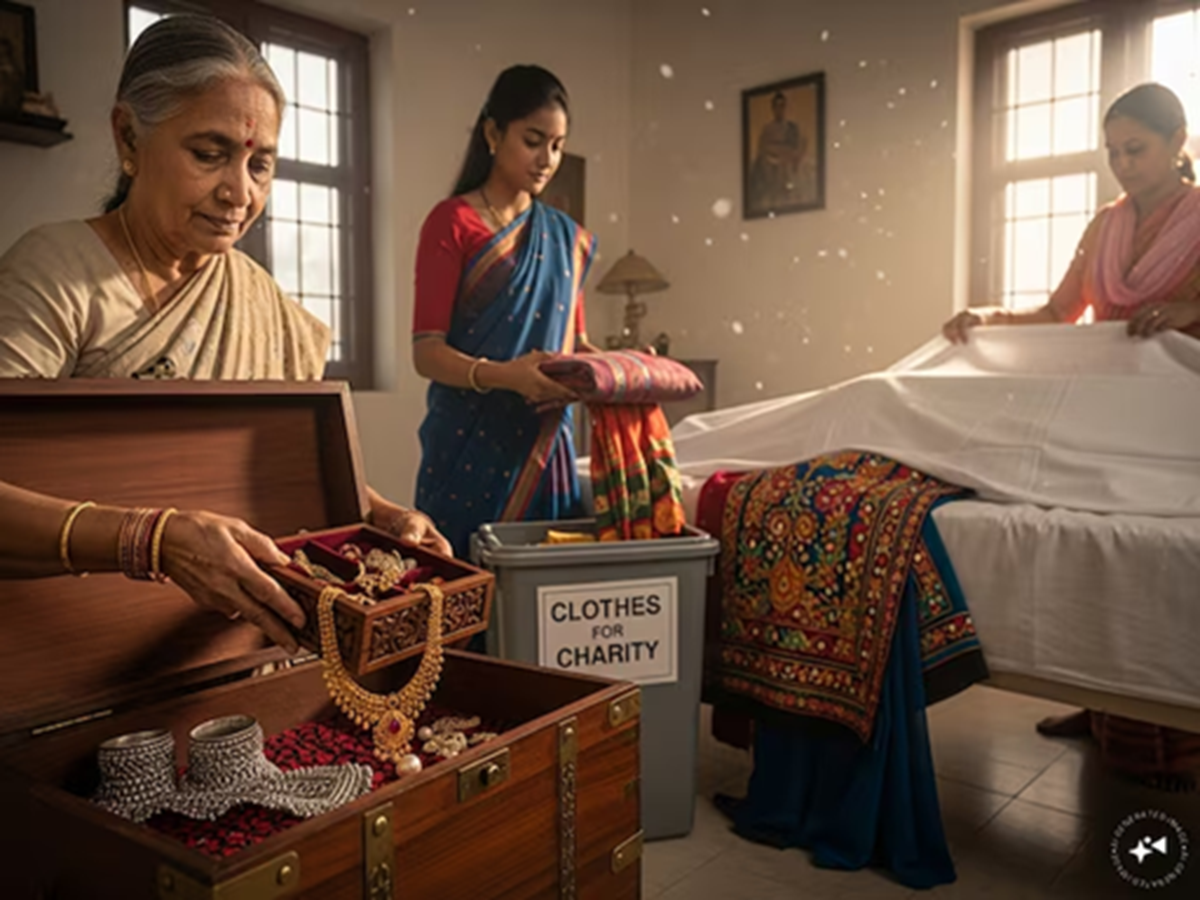
**Preserve the jewelry, but refrain from wearing it.** It is a common practice within households for family members to preserve a deceased loved one's jewelry for sentimental reasons. While this is considered acceptable, caution is advised regarding the act of wearing these ornaments. It is said that jewelry carries a deep emotional resonance, and wearing it may intensify the departed soul's attachment to the material world. For this reason, it is considered prudent to keep such jewelry safely secured while strictly avoiding its regular use.
**2. What Should Be Done with Clothing?**
**Why is donating clothes considered the right course of action?** Clothing is considered to be among the most intimate and personal possessions of any individual; it is intertwined with their memories and identity. It is believed that wearing the clothes of a deceased person may cause their residual energy to exert an influence upon the wearer. Consequently, donating these garments to the needy is regarded as the most appropriate and beneficial option. In rural communities, it remains a common practice to this day to donate the deceased's clothing following the *Terahvi* (the thirteenth-day memorial ceremony), a ritual that also serves to provide a sense of psychological solace to the bereaved family.
**3. Why Should Items of Personal Use Not Be Retained?**
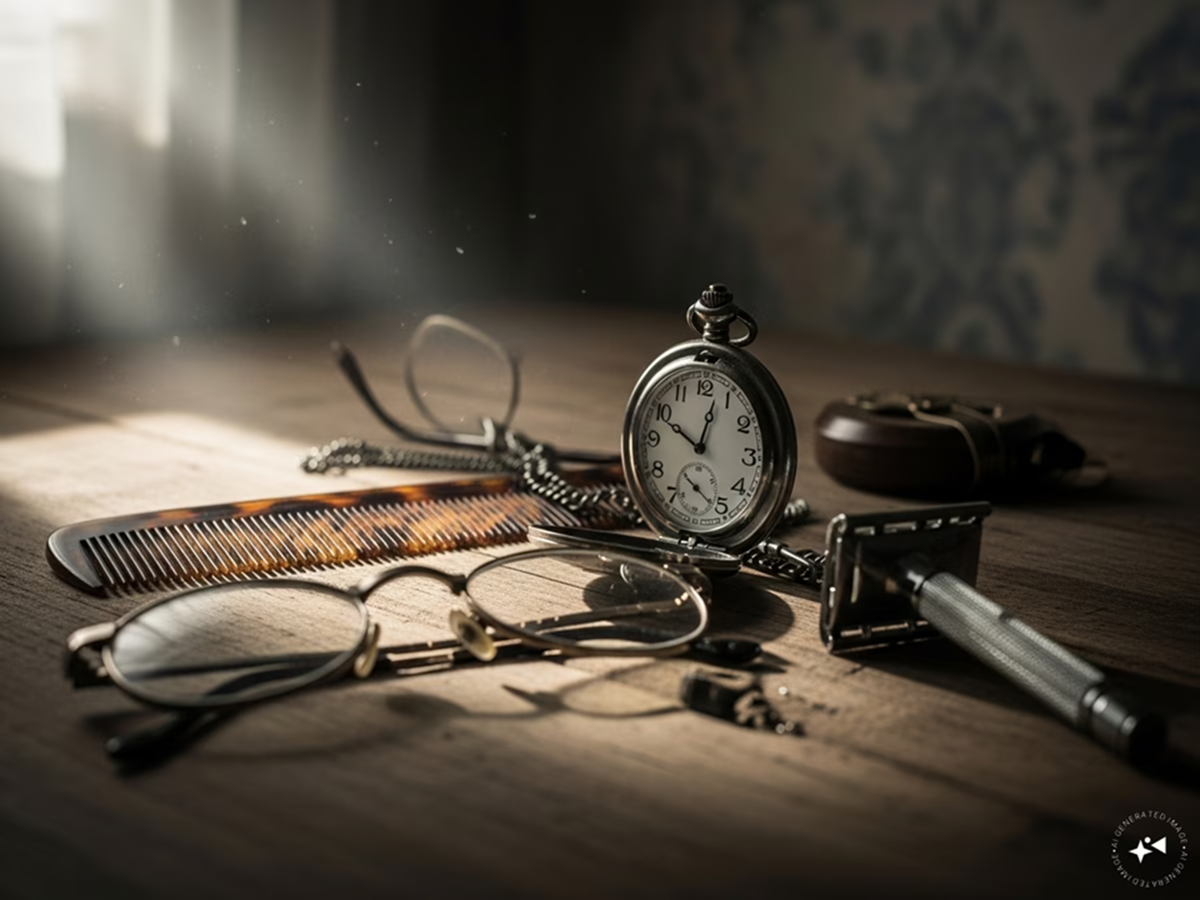
Items such as watches, combs, spectacles, razors, or other personal effects are deeply personal in nature. It is advisable to refrain from using these objects, as they are believed to be intrinsically linked to the deceased person's personal energy. People often choose to either donate these items or dispose of them completely to ensure that no lingering emotional or psychological impact remains.
4. What to do with bedding and everyday items?
Changing the atmosphere of the home is also essential. Keeping the deceased person's bedding, bedsheets, or everyday belongings in the house for an extended period can often become an emotional burden. Donating these items not only helps those in need but also allows the atmosphere within the home to gradually return to a sense of normalcy. Many people also view this process as a form of a new beginning.
5. What to do with horoscopes and religious items?
Rather than keeping the deceased person's horoscope (Kundali) at home, it is considered more appropriate to place it in a temple or immerse it in a sacred river. This serves as a symbolic act, signifying the conclusion of a specific chapter of life.
The Wisdom Behind the Tradition
- Upon closer examination, these guidelines are not merely religious in nature; they are also highly practical.
- Letting go of a loved one's belongings is never easy; however, gradually donating or separating oneself from them paves the way for moving forward.
- This process fosters emotional resilience in the individual and provides an opportunity to cherish memories with dignity and respect.
Making decisions regarding the belongings of the deceased is rarely easy; however, the guidelines outlined in the *Garuda Purana* offer a balanced path—one where faith and practical wisdom walk hand in hand.
PC Social Media