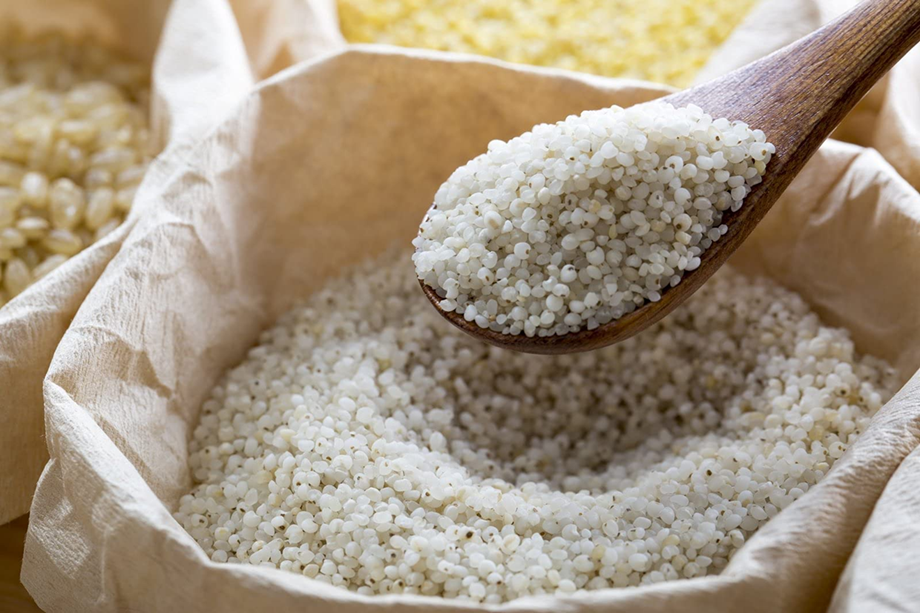
Navratri is currently underway in India. Many people observe fasts during Navratri. They consume items like Rajgira (amarind), water chestnut flour, buckwheat flour, tapioca pearls, and Samak rice. Samak rice is a common source of confusion. Some people call it rice, but it's not rice at all. Some even call it a millet grain. So, what exactly is it? How does it grow? And how did it become a staple during fasts?
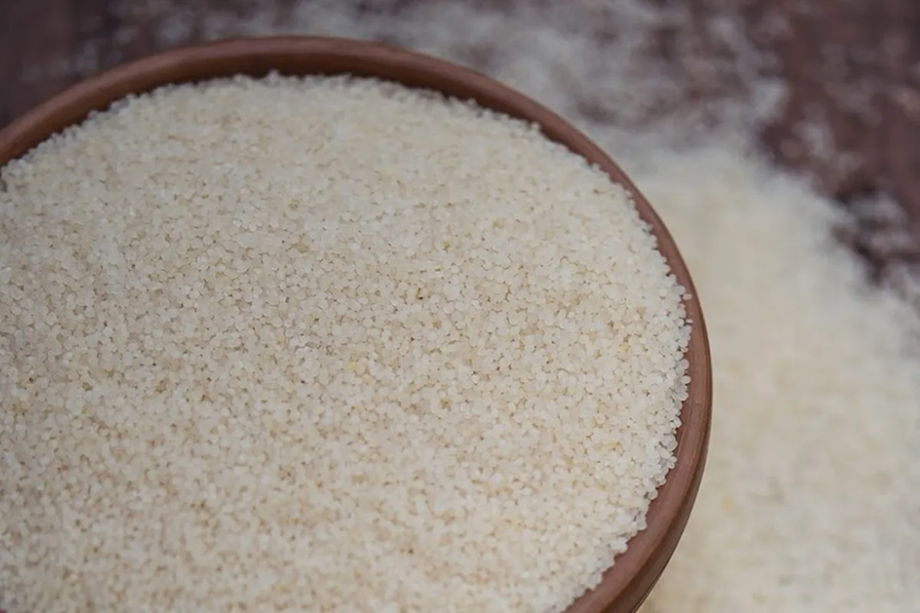
Samak rice is called barnyard millet or samo rice in English. It's called samak, sanwa, or samaai in North India. It's the seed of a plant called Echinochloa. It's actually a small grain, like kodo and kutki, but it's not directly related to rice. It grows extensively in hilly and arid regions and can withstand both floods and droughts.
Samak is a member of the millet family. Some people call it pseudo rice, or fake rice. It's very light and easily digestible. It is considered very good for diabetics. It is rich in protein, iron, and fiber. It is gluten-free and is widely used during fasting. Samak khichdi, pulao, and kheer are especially prepared during fasting.
Science calls it a grain, religion calls it a fasting diet
Samak is a member of the grass family (Poaceae), but in the history of agriculture, it has been considered a "staple grain." Scientifically, samak is a minor grain, but not a staple. In religion, it is also used to keep the body light and rest the digestive system. However, religion excludes samak from the category of grains.
When and how did it become a fasting diet?
Samak rice has been used in fasting not just recently, but for thousands of years. The history of cultivation and consumption of all millets (including millet, ragi, etc.) in India is believed to date back more than 5,000 years. Hindu scriptures accept millets as a "pure" option, while grains like rice and wheat are prohibited during fasting.
Its story is connected to Krishna and Sudama.
A famous story is related to Krishna and Sudama. Sudama offered Krishna flattened rice made from samak. This incident is believed to date back to the Mahabharata period, approximately 3,000-5,000 years ago. Through religious legends, it became a part of fasting. During Navratri, it became popular as "fasting rice," leading to the term "rice."
Why is it not considered rice?
Samak rice is not actually rice. It is a seed, a millet from the grass family. According to the rules of fasting, "grains" (such as rice and wheat) are considered tamasic or heavy, so they are prohibited from eating them, while millets are classified as "fruits" or "seeds," which are light and sattvic. Technically, millets are also grains, but in religious contexts, they are considered different. Therefore, samak is used instead of rice during fasting.
How is it produced?
Barnyard millet has been cultivated in India for centuries, especially in low-fertility, dry, and difficult soils. It is a robust, fast-growing, and water-efficient crop, ideal for rain-fed agriculture. India is the world's largest producer of millet. It can grow up to 2,700 meters above sea level.
Samak is a short-duration crop. It does not require much water and thrives even in dry areas. It produces good yields under difficult environmental conditions. In India, it is cultivated on approximately 0.96 lakh hectares. Annual production is 0.73 lakh tons, approximately 758 kg per hectare. It is grown where no other crop can grow.
What is the sowing time?
Sowing time varies by region. If it is September-October or February-March in Tamil Nadu, then April-May in Uttarakhand or the Northeast. It is generally sown before or during the monsoon. It doesn't require much fertilizer. Its harvest is ready in two to two and a half months.
How the process works
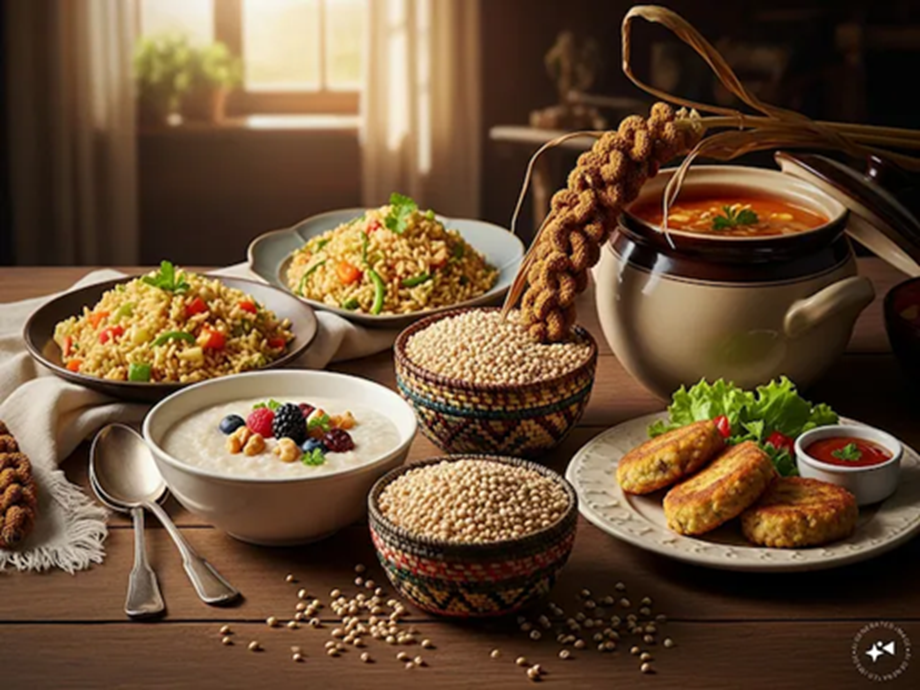
When the crop is ripe, the plants turn yellow-brown. The seeds are then harvested and separated by beating or threshing them with a machine. The seeds are then dried in the sun to remove any moisture. After cleaning, they are packed in moisture-proof bags.
This millet is used to prepare fasting dishes like khichdi, pulao, kheer, and poha. It can also be used to make rotis, parathas, dosas, idlis, laddus, muffins, or cakes. Now, papads and biscuits are also being made from it.
So now you understand why samak rice isn't rice. It isn't even a staple grain. It's primarily considered a seed and is included among millets.
PC Social Media