LIFESTYLE
Have you ever wondered why most wells are circular and not triangular or square? The reason will surprise you..
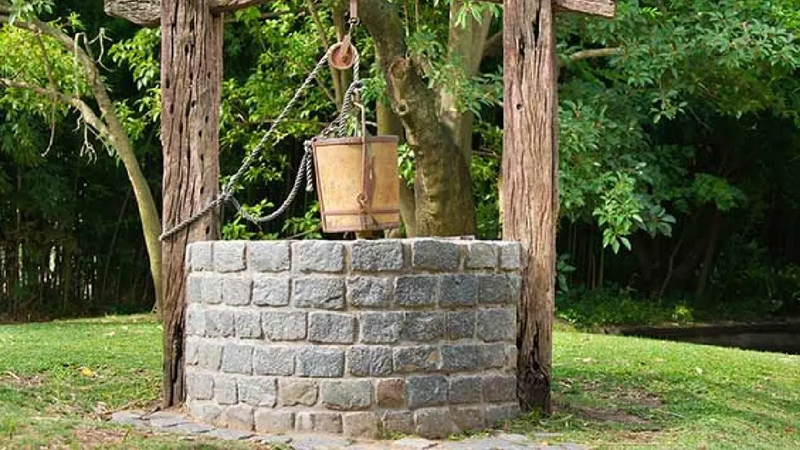
Why Wells Are Round: Think, how would it feel if the wells were square? Or if they were triangular, would it be as easy to extract water? You may have never paid attention to this, but just look around you - whether it is the old wells of the village or the traditional water sources built in the cities, most wells are round.
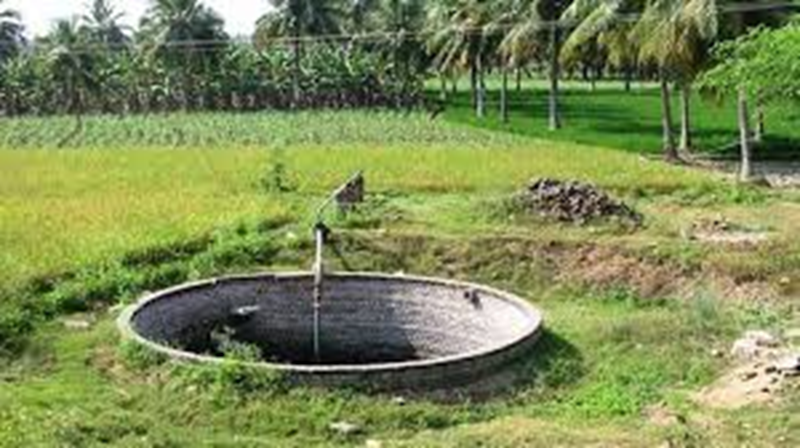
Is it just a coincidence, or is there a solid scientific and practical reason behind it? After all, when the buildings are square, the roads are straight, then why are the wells always round? The answer to this question (Science Behind Circular Wells) seems as simple as it is surprising. Let's find out.
1) There is equal pressure on the water
When a well is filled with water, there is equal pressure on its walls from all sides. Due to the round shape, this pressure remains balanced, which makes the walls of the well more strong and durable. If the well was square or triangular, then there would be more water pressure on the corners, and gradually cracks would start appearing in those parts. Over time, these cracks could have grown larger and the well wall could have collapsed.
2) Strong and durable structure
Engineering rules state that circular structures are stronger and longer-lasting. This is why domes were used in forts, churches, and mosques built in the olden times. When the walls are round, they can withstand external pressure better and the risk of breaking is reduced. The same principle applies to wells as well.
3) Ease of digging and cleaning
Round wells are easier to construct than square wells. When someone digs a well, the circular shape gets formed automatically, as it is easier for a person to dig by rotating. Apart from this, cleaning the well also becomes easier due to the round shape. If the well was square, dirt could have accumulated in the corners and cleaning would have been difficult.
4) More depth with less material
Round wells require less material and yet they can be made deeper. If the well was square, more bricks, stones, or cement would have to be used to provide more support to its four walls and corners, which would also increase the cost. This is why even in the olden days when limited resources were available, people preferred to build round wells.
5) Maintains natural flow
Wells are a great way to store water and make it flow naturally. When the well is round, the flow of water takes place without any obstruction. This keeps the water inside the well clean for a long time. If the well was square, dirt and mud could accumulate in the corners, increasing the risk of water getting contaminated.
6) Protection from geological forces
Round wells are also able to withstand natural phenomena like earthquakes and mudslides. When the ground shakes, the round well remains balanced and is less likely to collapse. This is the reason why many old wells are still standing intact even though many other structures around them have collapsed.
PC Social media