LIFESTYLE
Health Alert: A plan to curb obesity, diabetes, and heart diseases – WHO offers a solution..

In many countries around the world, including India, lifestyle and dietary disorders are putting increasing pressure on healthcare systems. Data shows that the rising incidence of non-communicable diseases in India is a cause for serious concern. Non-communicable diseases are diseases that do not spread from person to person, but instead chronically worsen health problems. Dietary and dietary imbalances, smoking, alcohol, and physical inactivity are considered the main causes of such diseases.
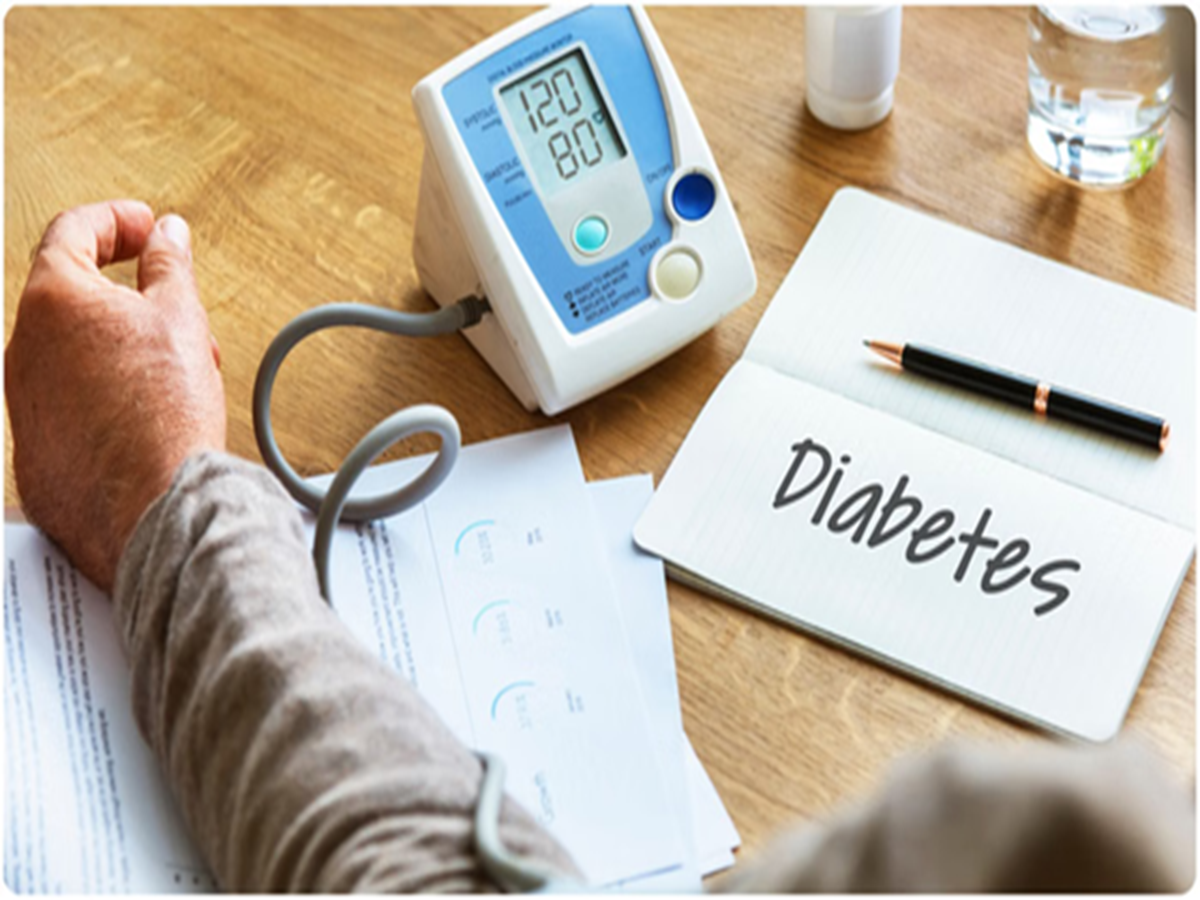
Heart disease, diabetes, cancer, and chronic respiratory diseases are examples of non-communicable diseases. A large population in India is affected by these diseases. Now, the question is: how can we reduce the risk of these diseases?
To prevent the increasing incidence of non-communicable diseases, the World Health Organization (WHO) has provided some important advice, which is crucial for you to know.
How to prevent non-communicable diseases?
The WHO stated that people should avoid sugary drinks and alcohol to prevent non-communicable diseases. Increasing taxes on these products could help prevent disease. The WHO urged all countries to focus on reducing their consumption and increasing taxes on these products.
The WHO stated that taxes on these products are low in most countries.
Due to low taxes, these products are affordable, making them more accessible to people.
Overconsumption of these products is contributing to the rise in obesity, diabetes, heart disease, and cancer.
Increasing taxes would increase their prices, leading to reduced consumption. This could curb the spread of diseases.
What do WHO officials say?
The WHO stated that while such drinks generate billions of dollars in profits, governments are only able to recover a small portion of this through health-related taxes, resulting in long-term health and economic costs for society.
WHO chief Tedros Adhanom Ghebreyesus said in a statement, "Health taxes are one of the strongest tools we have to promote health and prevent disease. Increasing taxes on tobacco, sweetened beverages, and alcohol can reduce their use.
These taxes can also raise funds for essential health services. In poor countries, where funding is limited, such taxes can help move health systems toward sustainable self-sufficiency."
Advice on Taxing Tobacco, Alcohol, and Sweetened Beverages
General Jeremy Farrar, a WHO official, says that taxing tobacco reduces its use. Increasing taxes on sweetened beverages can also help reduce consumption. This could have a direct impact on the prevention of diabetes, obesity, and heart disease.
This approach could be very effective for countries struggling to cope with the rise in non-communicable diseases. It also increases the potential for investment in healthcare.
Citing measures taken in the Philippines, the UK, and Lithuania, the WHO Director said many countries have demonstrated that when implemented properly, these measures can yield positive results.
Providing information on taxes on alcohol and sweetened beverages, the WHO reported that at least 116 countries impose taxes on sweetened beverages such as soda.

Many other countries have no or very low taxes on sugar-containing products such as packaged fruit juices, flavored milk drinks, and coffee and tea.
On alcohol, the report found that beer became cheaper in 56 countries from 2022 to 2024.
Wine was exempted from excise taxes in at least 25 countries, primarily in Europe.
PC Social Media