
LIFESTYLE
Health Alert: Why do respiratory problems tend to increase during the cold season? What should asthma patients keep in mind?
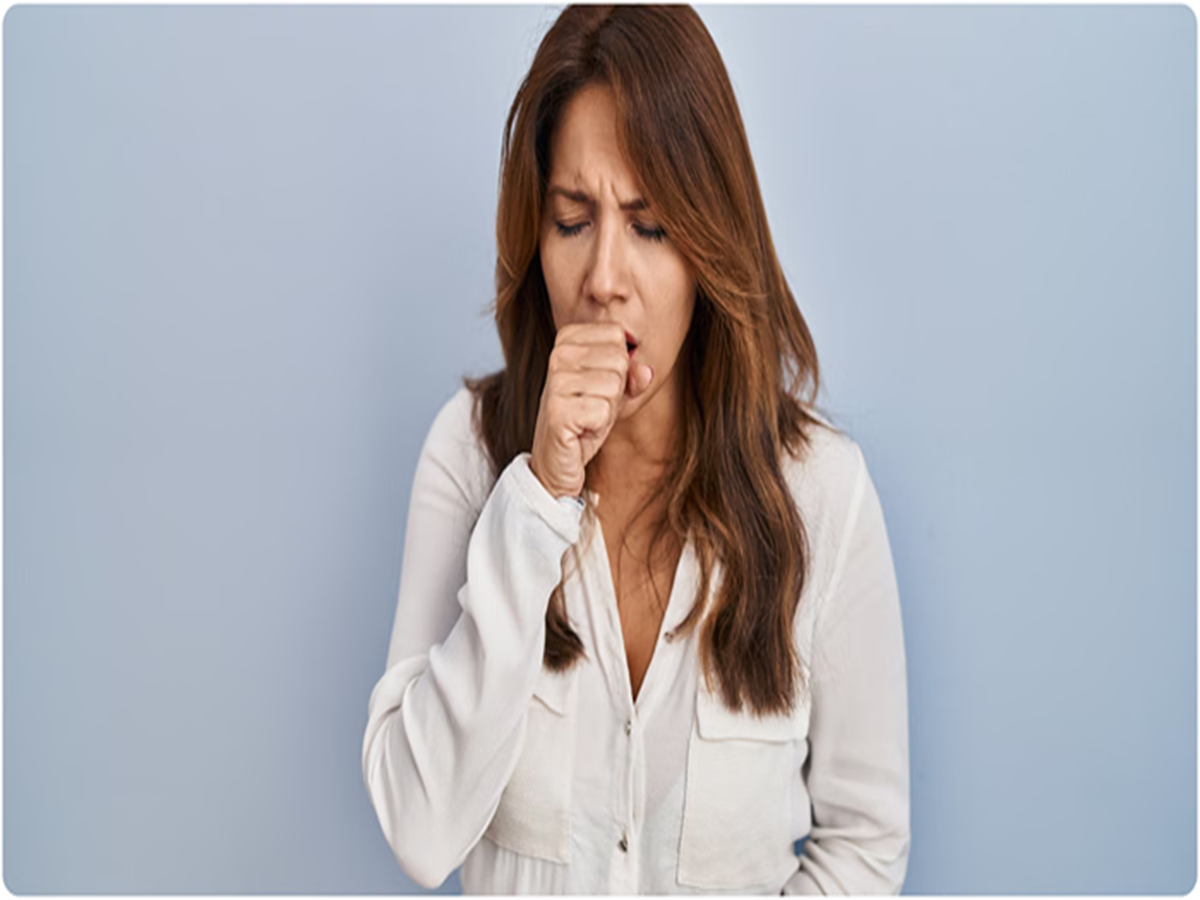
Winter has arrived in most parts of the country. For many, it is a favorite season; however, it is also a time when everyone is advised to take precautions regarding their health. Individuals with pre-existing conditions, such as asthma or other respiratory issues, are especially urged to be extra cautious during the winter months.

Health experts note that this season can be particularly challenging for asthma patients. Exposure to cold air can trigger symptoms like coughing, chest tightness, and shortness of breath. Since the airways of asthma patients are already sensitive and inflamed, contact with cold, dry air can cause them to constrict further, making it increasingly difficult to breathe.
The question then arises: how can the risks associated with asthma be minimized during the winter season?
Why does asthma worsen in the winter?
According to health experts, the winter season can exacerbate respiratory problems in several ways. Along with cold air, factors such as viral infections, dust, smoke, and indoor allergens can increase the risk of an asthma attack. Consequently, this season is considered particularly challenging for those with respiratory conditions. It is, therefore, essential for asthma patients to take special care of their health during the cold weather.
In asthma, the airways become inflamed and hypersensitive. Exposure to cold air, pollution, or allergens can cause these airways to constrict, leading to breathing difficulties.
What should asthma patients keep in mind?
Health experts advise that individuals with pre-existing asthma or other respiratory issues should pay close attention to certain precautions. Avoid going outside during the early morning or late at night when it is very cold. Cold, dry air can cause complications for the respiratory tract.
When stepping outside, cover your nose and mouth with a scarf; this helps to warm the air before it enters your airways.
Use your prescribed 'controller' or 'preventer' inhaler regularly.
In addition to cold air, take precautions against vehicle exhaust, cigarette smoke, and dust, as these can exacerbate asthma symptoms in some patients.
Avoid exercising outdoors when air quality is poor.
What should you do during an asthma attack?
Health experts note that during the winter season, there is an increase in patients visiting the OPD with asthma attacks and respiratory issues. If your symptoms worsen—such as experiencing shortness of breath, chest tightness, or increased wheezing—take immediate action. Follow the 'asthma action plan' provided by your doctor and use your 'reliever' inhaler as directed.
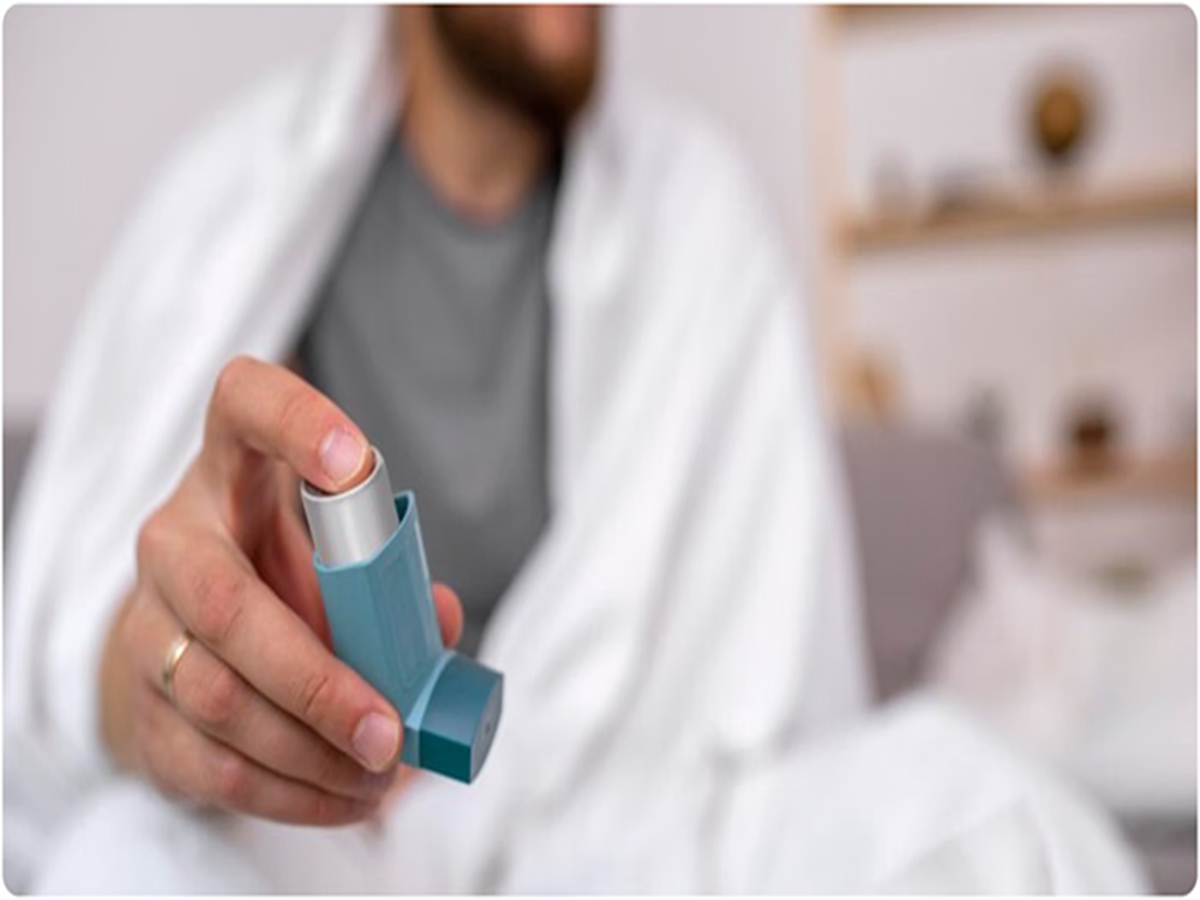
If you experience severe difficulty breathing, find it hard to speak, or do not get relief from your medication, seek emergency medical attention immediately. Never ignore issues related to an asthma attack, as they can lead to serious health complications.
PC Social Media