LIFESTYLE
Health: Are you eating multi-grain biscuits thinking they're healthy? You'll be shocked when you find out the truth..
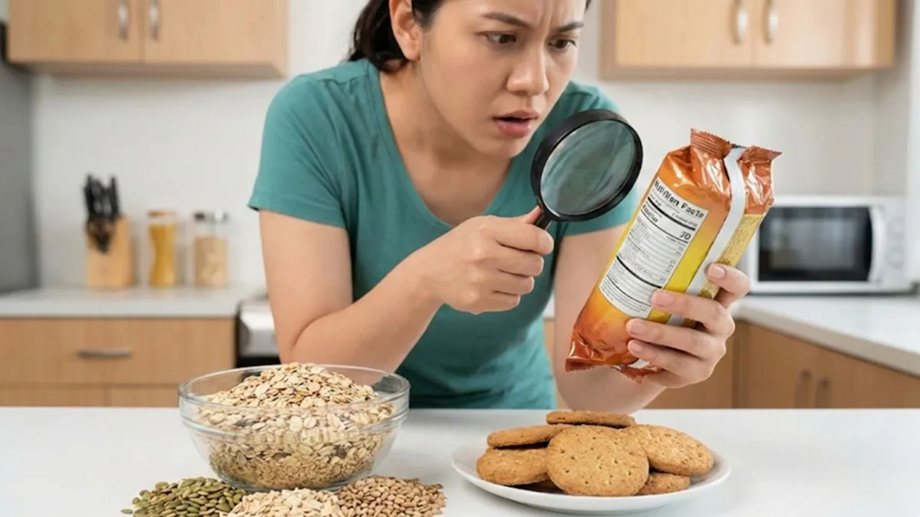
Do you also reach for a packet of 'multigrain' biscuits as soon as you pick up your cup of tea? Or do you hand your child a 'ragi cookie' thinking you're giving them the most nutritious snack in the world? If so, you need to stop and think.
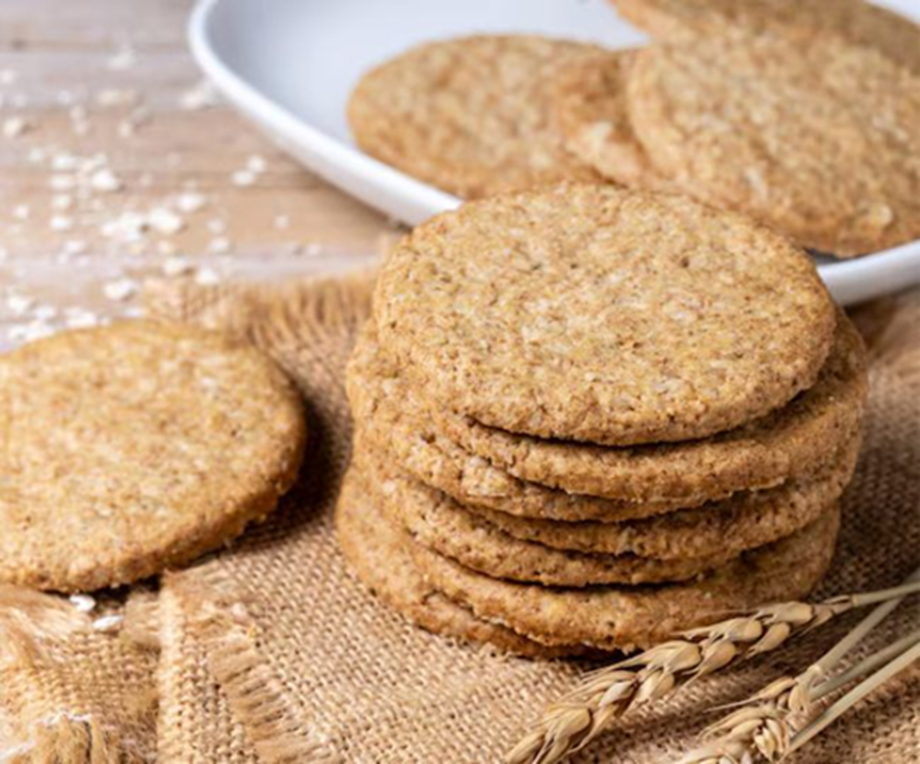
Yes, what we're eating with such relish, believing it to be healthy, is actually disguised as a healthy option, but hides a heavy burden of calories. Nutrition expert Amita Gadre has revealed the truth about biscuits through an Instagram post, a truth often concealed in advertisements. Let's find out.
The Math Behind Biscuit Making
Whether a biscuit is homemade or store-bought, its basic structure doesn't change much. A specific ratio is usually followed to make any cookie or biscuit:
3 parts flour: approximately 50% to 70%
2 parts fat: approximately 15% to 35%
1 part sugar: approximately 10% to 25%
This means that no matter what kind of biscuit you eat, it's bound to contain a large amount of fat and sugar.
Are biscuits made with ghee and jaggery healthy?
Nowadays, people are choosing millet biscuits (bajra, ragi, etc.) made with jaggery instead of refined sugar and ghee instead of oil. This might sound healthy, but the reality is that these are also a source of 'empty calories'. They contain extra sugar and fat that our bodies, especially growing children, don't need.
Is it okay to give biscuits to children?
Parents often think that ragi or multi-grain cookies are a good snack for children. While it's fine to give them occasionally for taste, making it a daily habit can be harmful to their health. No biscuit, no matter how 'healthy' it claims to be, can replace a balanced diet. Keep biscuits or cookies as an occasional treat only. Do not let them become a regular part of your or your children's daily diet, as the body doesn't need the extra calories they provide.
PC Social Media