LIFESTYLE
Health: How does PM2.5 increase the risk of type 2 diabetes? Understand the direct connection between smog and blood sugar...
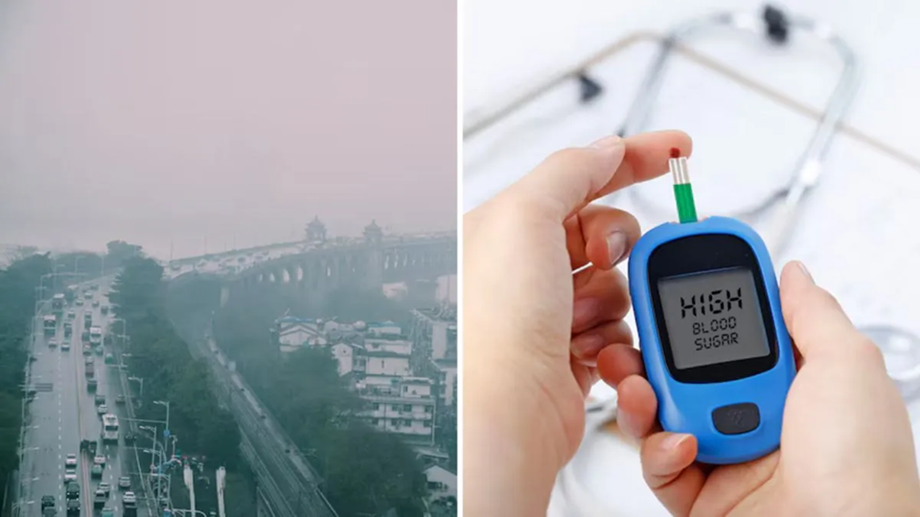
Whenever Delhi's winter arrives, a thick layer of smog engulfs the air. People complain of coughs, sore throats, and shortness of breath, but there's a danger invisible to our eyes. Yes, this air can also silently raise our blood sugar (Smog and Blood Sugar Connection). Research shows that Delhi's smog has become dangerous not only for the lungs but for our overall metabolic health.
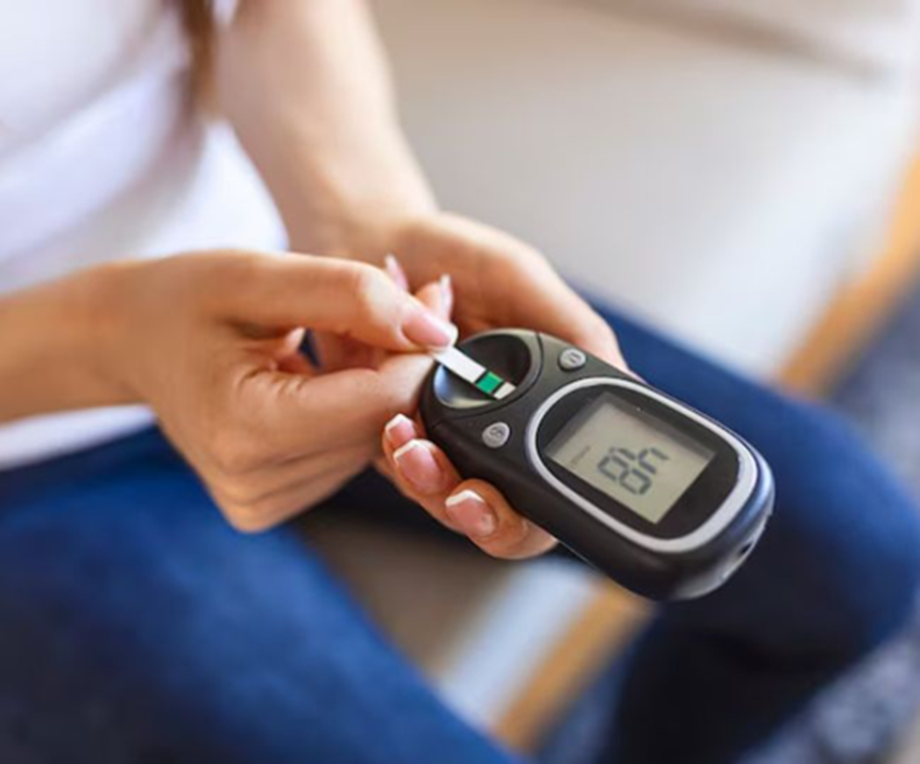
What harm does PM2.5 do to the body?
PM2.5 particles in Delhi's air are extremely small. You can't see them, but they reach your body and show their effects immediately. When these particles are inhaled, they first increase inflammation and oxidative stress. This affects insulin function, preventing the body from properly handling glucose. Continued exposure also increases the risk of type 2 diabetes.
Additionally, air pollutants increase free radicals, leading to inflammation and insulin resistance (Air Pollution Effects on Insulin Resistance). Long-term exposure to these pollutants can also weaken pancreatic cells.
Several international studies have also shown that increased PM2.5 levels increase the risk of type 2 diabetes. Studies show that people living in polluted areas are more likely to develop diabetes, regardless of their BMI, activity level, or financial situation.
Who is at greater risk?
If you are older, have a family history of diabetes, are prediabetic, or live in a high-traffic area, you need to be more vigilant about pollution. In winter, when smog peaks, blood sugar control may be worse than normal.
It should be noted that people with diabetes already have low immunity, and pollution can exacerbate respiratory problems for them. This means the effects can be more intense and last longer.
How does smog increase blood sugar?
Pollution not only pollutes the air, but it also disrupts the body. Smog-induced inflammation and insulin resistance disrupt glucose control. Even if you eat healthy, exercise, and take medications, your blood sugar may suddenly rise for a few days. Many people struggle to understand these seemingly unexplained fluctuations in winter, but the pollution in the air could be the cause.
What to do during smog days?
If you live in Delhi and are diabetic, you should definitely create a 'smog plan'.
Monitor your blood sugar more frequently.
Don't make any changes to your medications on your own—consult your doctor.
Include antioxidant-rich foods in your diet.
Keep windows closed and use an air purifier with a HEPA filter.
Wear a good-quality mask if you have to go outside.
If possible, work out indoors instead of outdoors.
Drink plenty of water to reduce the impact of toxins in the body.
When should you see a doctor?
If you notice any of these symptoms during smog days, don't delay:
Difficulty breathing, a whistling sound
Chest pain
Swelling in the legs
Blurred vision
Fast fatigue even after mild exposure
Cough lasting more than five days
Sudden increase in blood sugar despite medication and a healthy diet
These could be signs that pollution is having a more profound impact on the body.
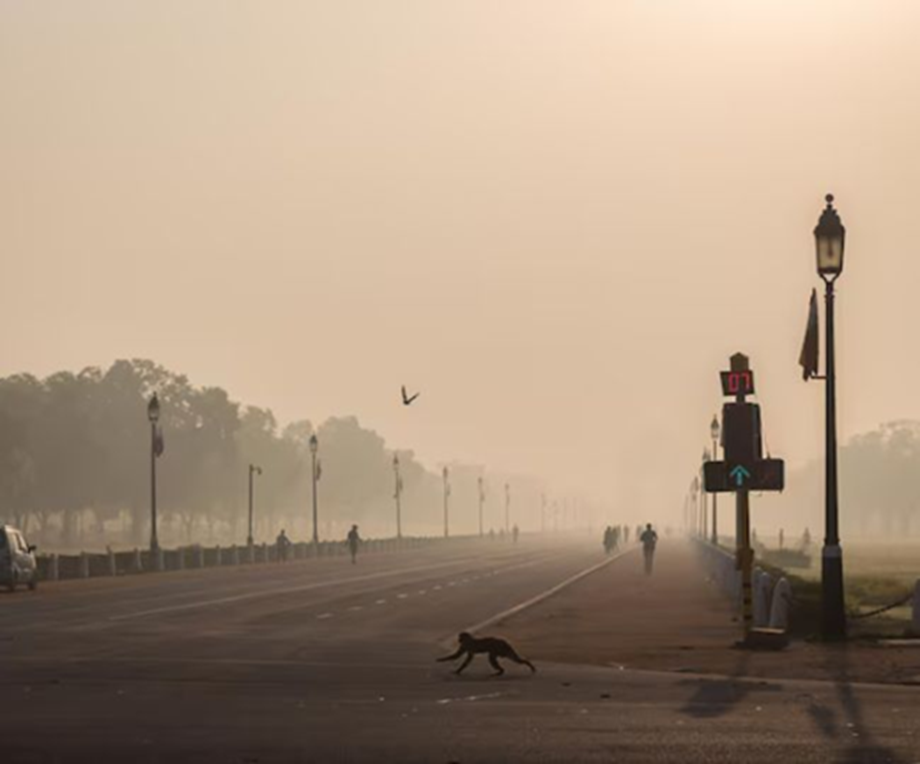
Take some small daily precautions.
You can't get rid of Delhi's air immediately, but its effects can definitely be reduced. Monitor the AQI, maintain clean indoor air, and include fruits and vegetables in your diet that help reduce inflammation. If pollution increases, change your workout location and monitor your blood sugar.
Smog isn't just about eye irritation or coughing. It's slowly altering our body's systems—especially blood sugar. If you're diabetic or at risk, it's crucial to stay vigilant. Only timely action can keep you safe. Clearly, it will take time for Delhi's air to change, but you can start protecting yourself today.
PC Social Media