LIFESTYLE
Health: Is the Ebola virus even deadlier than the coronavirus? These 12 symptoms are observed...
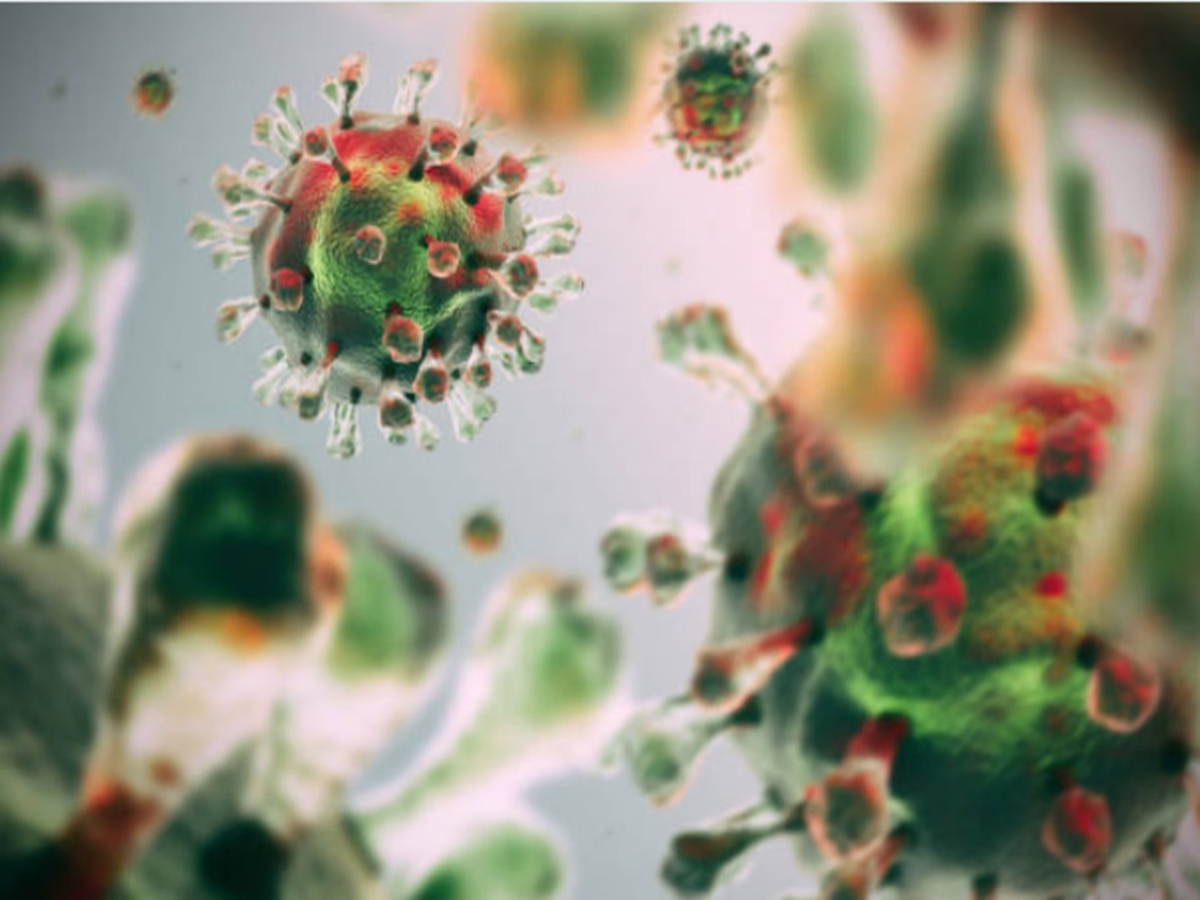
What is the Ebola virus, and what are its symptoms? The WHO (World Health Organization) has declared Ebola a global health emergency in light of the rising number of cases. Following the declaration of the outbreak spreading across the Democratic Republic of the Congo and Uganda as a 'Public Health Emergency of International Concern,' the Karnataka government has also gone on high alert. Given the potential threat, surveillance and health preparedness measures within the state are being further strengthened. India, too, has become alert in view of the increasing Ebola cases. Special centers have been established in Bengaluru and Mangaluru. According to the State Health Department, the Rajiv Gandhi Institute of Chest Diseases in Bengaluru has been designated and prepared as an isolation center. This step was taken after a few suspected cases of Ebola surfaced in the region. Currently, samples from these individuals will first be tested at the NIV (National Institute of Virology) in Bengaluru and subsequently sent to the NIV in Pune for confirmation.

**No Cases of Ebola Reported in India**
The Health Department has clarified that, to date, no cases of Ebola infection have been reported in India. However, in light of international travel and trade, precautionary measures have been intensified.
**What is Ebola?**
According to experts, Ebola is an extremely severe and life-threatening viral disease. It spreads through contact with an infected person or animal. Its symptoms can progress rapidly and become extremely severe. Initial symptoms typically include a general fever, but the condition can gradually deteriorate and become critical. Ebola is transmitted through direct contact with the blood, organs, or bodily fluids of an infected person. Contaminated objects—such as clothing, bedding, and syringes—can also serve as sources of infection. Healthcare workers and individuals in proximity to a patient face the highest risk of contracting the infection.
**How Does Ebola Spread?**
Through contact with the blood or bodily fluids of an infected person.
Through contact with infected animals.
Through touching contaminated objects.
**Measures to Prevent Ebola**
Maintain a safe distance from infected individuals.
Wash your hands frequently with soap. Use masks and gloves.
When to See a Doctor?
If you experience high fever, persistent weakness, vomiting, diarrhea, or bleeding, seek immediate medical assistance. Timely treatment and isolation are crucial for Ebola.
What Are the Symptoms of Ebola? – Symptoms typically appear within 2 to 21 days after exposure to the Ebola virus.
The following symptoms may be observed:
High fever
Weakness and fatigue
Headache
Muscle pain
Sore throat
Vomiting and diarrhea
Abdominal pain
Red rashes on the body
Reddening of the eyes
Internal and external bleeding
Difficulty breathing
Advice from the Health Department
Experts state that there is no need to panic, but remaining vigilant is essential. With timely testing, surveillance, and precautions, the risk of Ebola infection can be significantly minimized.
PC Social Media