

Tips to Boost Metabolism Naturally: After crossing the age of 30, many women begin to experience weight gain, the accumulation of fat around the midsection, and difficulty in maintaining their previous level of fitness. A slow metabolism is often considered the reason for this. Metabolism is the process by which the body converts food into energy to carry out essential bodily functions.
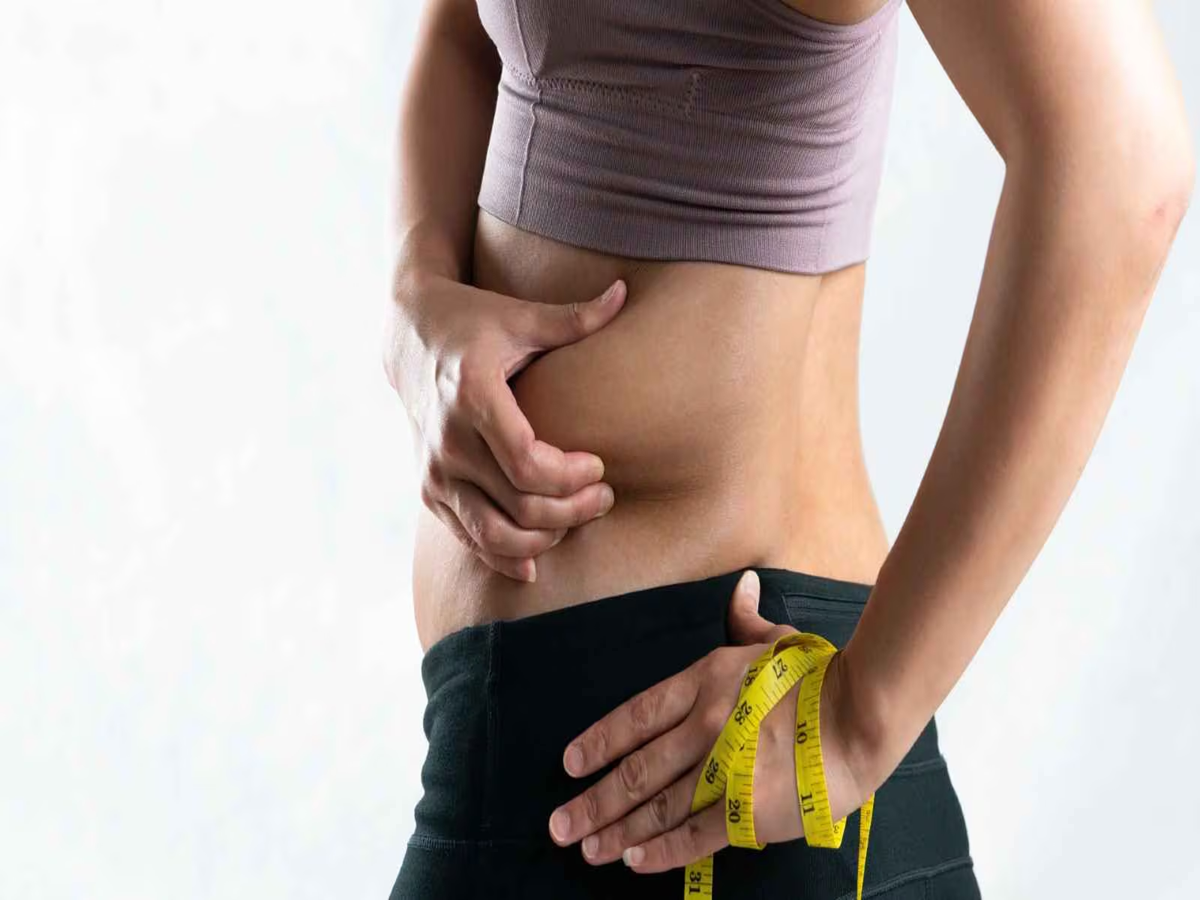
In such a scenario, a proper diet and regular exercise play a crucial role. If you are also struggling with weight gain or low energy levels after 30, let’s explore the reasons why a woman’s metabolism might slow down and the habits you can adopt to keep it functioning optimally.
Why might a woman’s metabolism slow down after 30?
1. Loss of muscle mass
Muscles play a vital role in the body’s energy expenditure. As muscle mass decreases with age, the amount of energy the body burns while at rest may also decline. Regular strength training helps in maintaining muscle mass.
2. Reduced physical activity
Due to work, family, and other responsibilities, many women struggle to find enough time for exercise or physical activity like walking. This can lead to a decrease in daily calorie expenditure, making it difficult to manage weight.
3. Hormonal changes
Thyroid hormones influence how the body expends energy. Furthermore, hormonal shifts that occur with age can affect body composition and weight. However, simply reaching the age of 30 does not necessarily indicate a hormonal issue.
4. Lack of sleep and stress
Chronic sleep deprivation and stress can affect appetite, food cravings, and physical activity levels, making it challenging to maintain a healthy weight. Therefore, getting adequate sleep and practicing stress-management techniques are essential.
5. Poor Dietary Habits
A lack of protein and fiber, frequent consumption of high-calorie snacks, and an unbalanced diet can contribute to weight gain. Crash dieting can also lead to a loss of muscle mass; therefore, eating too little is not an effective way to improve your metabolism.
How to Improve Your Metabolism After 30?
1. Include Protein in Your Diet
Foods such as lentils, milk, yogurt, paneer (cottage cheese), eggs, soy, and other protein-rich items help maintain muscle mass. Try to include a source of protein in every main meal.
2. Engage in Strength Training
Perform muscle-strengthening exercises at least two days a week. You can start with light weights, squats, or bodyweight exercises tailored to your fitness level.
3. Stay Active Daily
Activities like walking, climbing stairs, doing household chores, and avoiding long periods of sitting can help increase your daily energy expenditure. Aim for regular physical activity that suits your personal capacity.
4. Get 7 to 9 Hours of Sleep
For most adults, 7 to 9 hours of sleep per night is considered beneficial. Maintain a consistent sleep-wake schedule, and limit the use of mobile devices and caffeine intake before bedtime.
5. Avoid Crash Diets
Eating very little or skipping meals to lose weight quickly is not a sustainable long-term approach. Focus instead on a balanced diet, adequate protein intake, and regular physical activity.
6. Do Not Ignore Symptoms Related to the Thyroid
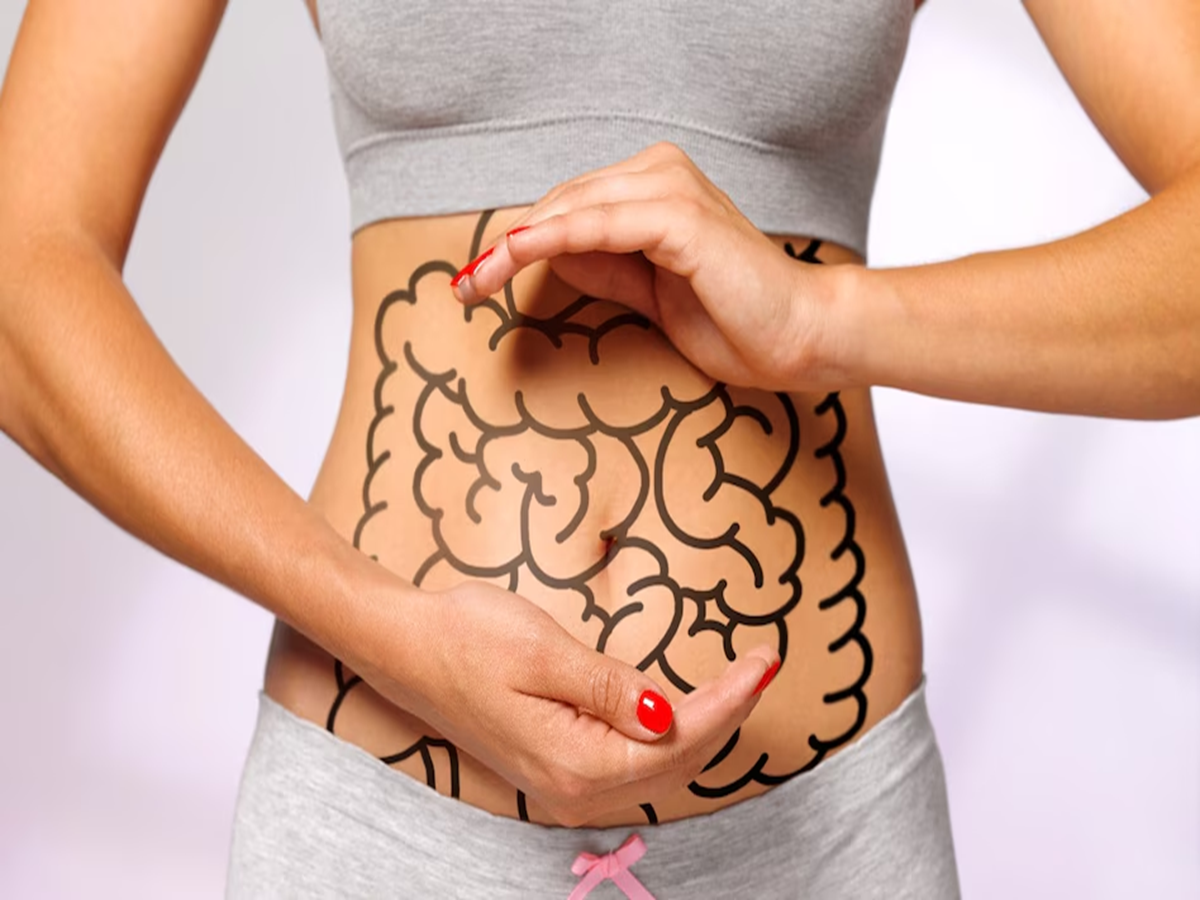
If you experience persistent fatigue, increased sensitivity to cold, constipation, dry skin, or unexplained weight gain, consult a doctor. If necessary, your doctor may recommend a thyroid function test.
PC Social Media