LIFESTYLE
Health Tips: 3 symptoms of kidney stones are visible in urine, the risk increases in winter; do not ignore them at all..
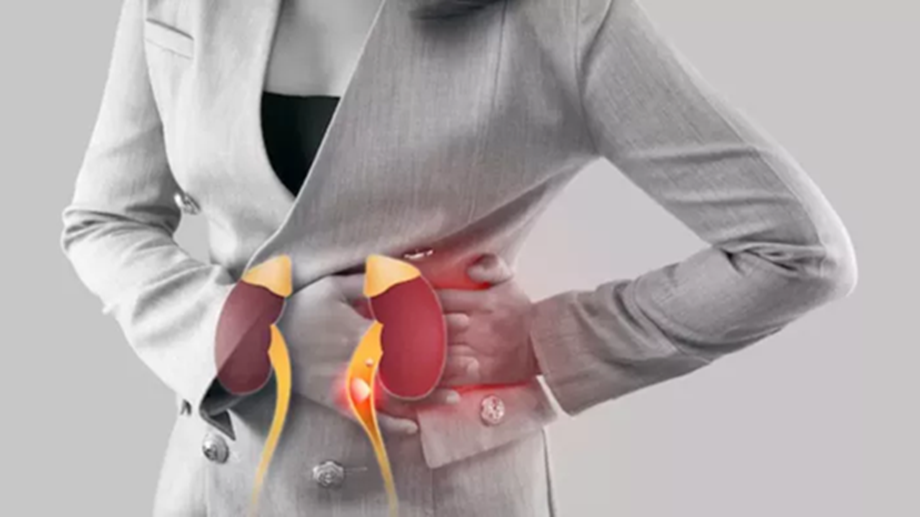
The winter season has begun, and with it, many health-related problems have also begun to cause trouble. Winter brings a variety of problems to people. Kidney stones are one of these problems, often causing more trouble during this season.
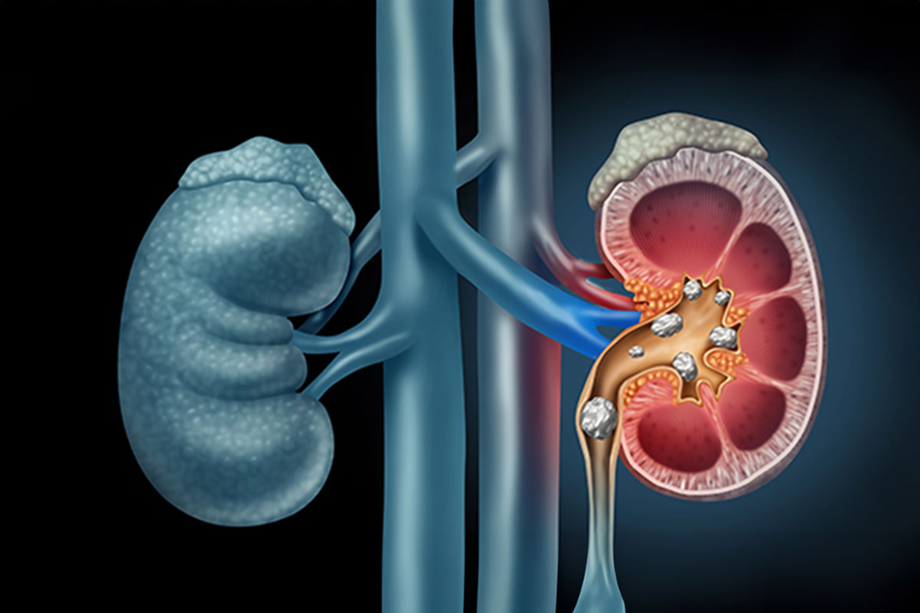
Cases of kidney stones are increasing rapidly, especially among young people. Sometimes, this problem also affects the elderly. Changing lifestyles and poor eating habits are often the causes. Therefore, it is important to understand why kidney stone cases increase in winter and what symptoms can help identify them. In this article, we will explore these issues:
Why does the risk of kidney stones increase in winter
As the temperature drops in winter, sweating stops. This reduces our thirst, leading us to drink less water. However, we forget that water is not just for quenching thirst; our kidneys also need it.
Our kidneys filter certain minerals from the body, which requires water. Inadequate water intake can cause calcium and uric acid to crystallize, forming stone-like structures in the kidneys, called kidney stones.
What are the symptoms of kidney stones?
When kidney stones form, certain symptoms appear. Early detection helps guide proper treatment. Some common and early symptoms of kidney stones include:
Nausea
Blood in the urine
Burning sensation when urinating
Frequent urge to urinate
Severe pain in the back or lower abdomen
How to prevent kidney stones
Kidney stones are a painful condition. Therefore, it's best to be mindful of certain precautions and avoid negligence. You can protect yourself with the following tips:
Drink at least 3 liters of water daily. This will help keep you hydrated and allow your kidneys to function properly.
Salt intake should be significantly limited. Reduce salt in your diet.
Avoid processed foods altogether and include fresh fruits and vegetables in your diet instead.
Citrus fruits and fiber should be included in your diet. This reduces the risk of kidney stone formation.
Avoid sugar and carbonated drinks, as these increase the risk of kidney stones.
Exercise daily to improve metabolism and kidney health.
PC Social Media