LIFESTYLE
Health Tips: Despite appearing fit, 'silent high blood pressure' is making you sick from the inside..
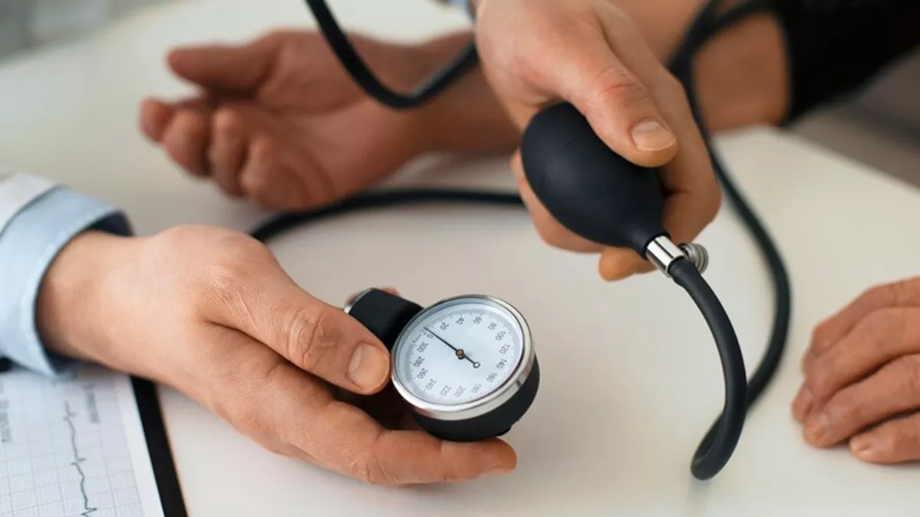
Did you know you could have high blood pressure for a long time without even realizing it for years? Yes, it's possible. This condition is called silent hypertension, and that's why it's considered a silent killer.
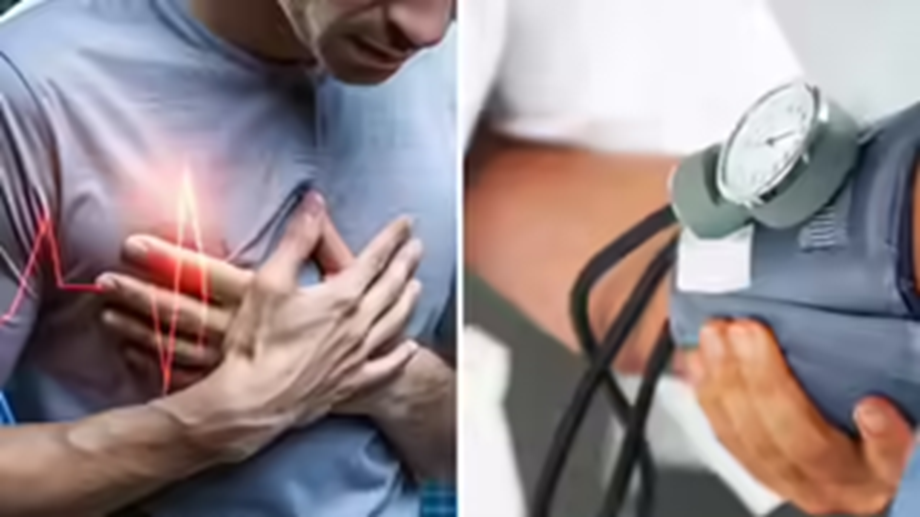
In this condition, blood pressure rises to dangerous levels, but the person doesn't experience any symptoms (High BP Without Symptoms). Let's find out why this happens and how it can be detected.
What is Silent Hypertension?
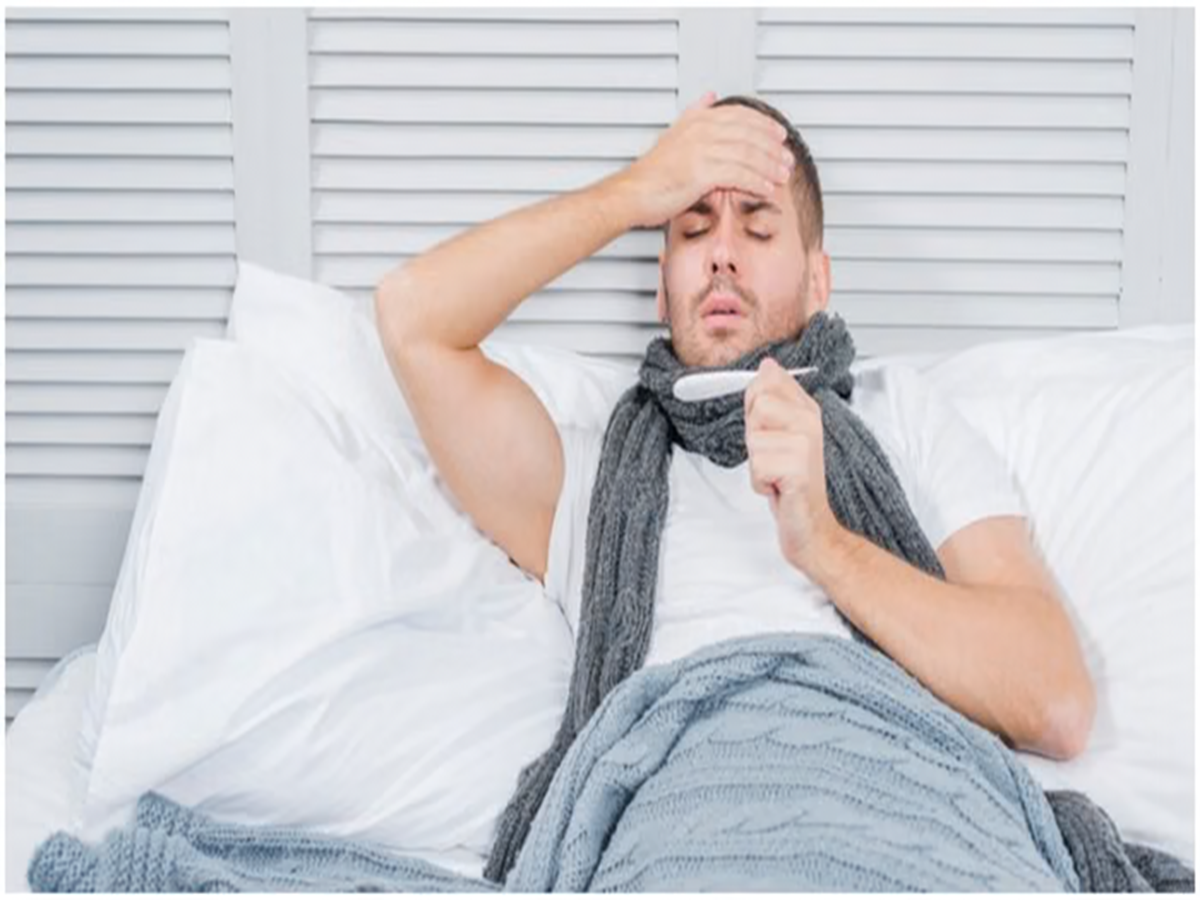
Silent hypertension, also known as "asymptomatic hypertension," is a form of high blood pressure that remains in the body for years without any symptoms. Typically, symptoms of high blood pressure include headaches, dizziness, shortness of breath, nosebleeds, or fatigue. But in silent hypertension, none of these symptoms are present, so the person is unaware that their blood pressure is above the normal range.
Why is it so dangerous?
Since symptoms are absent, most people don't get their blood pressure checked. During this time, high blood pressure continues to damage the body's organs:
Effect on the heart - The extra pressure on the heart can cause the heart muscles to thicken, reduce the heart's pumping capacity, and increase the risk of heart failure.
Damage to arteries - High pressure wears down the inner lining of the arteries, accelerating the process of atherosclerosis.
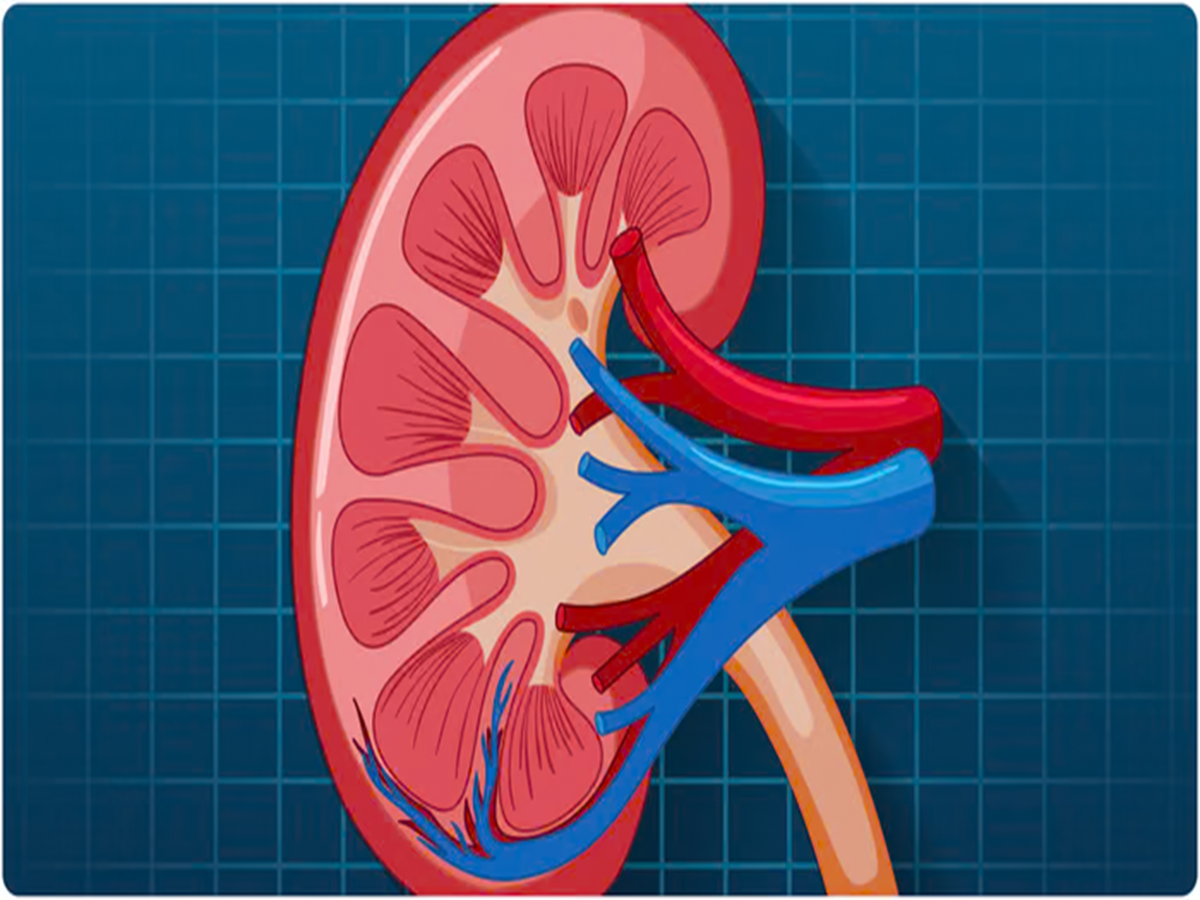
Kidney damage - The small blood vessels in the kidneys can be damaged, gradually reducing kidney function.
Effect on the brain - Damage to the brain's blood vessels significantly increases the risk of stroke.
Why does it go undetected for so long?
There are several reasons why silent hypertension goes undetected for so long, such as:
The body adapts to the gradually increasing blood pressure, so the person doesn't feel any abnormalities.
Many people simply don't experience the common symptoms of high blood pressure, especially in the early stages. In countries like India, even healthy individuals don't get their blood pressure checked regularly.
Often, people only get tested when they experience symptoms or have another illness.
Many people believe that high blood pressure only affects those who are stressed, overweight, or elderly. Healthy-looking young and middle-aged people often feel safe and don't get tested.
Sometimes, mild symptoms, such as a slight headache or fatigue, are dismissed as being due to stress, lack of sleep, or work pressure.
How can you identify it?
Regular check-ups: After the age of 30, everyone should get their blood pressure checked at least twice a year.
Awareness: Raising awareness about high blood pressure is crucial. It can affect people of any age, gender, or body type.

Healthy lifestyle: Reducing salt intake, regular exercise, stress management, and a proper diet can reduce the risk of high blood pressure.
Pay attention to family history: If there is a history of high blood pressure in the family, it's important to be extra vigilant.
PC Social Media