LIFESTYLE
Health Tips: Sleeping with your mouth covered in the cold can be dangerous for your health, know the right way to sleep..
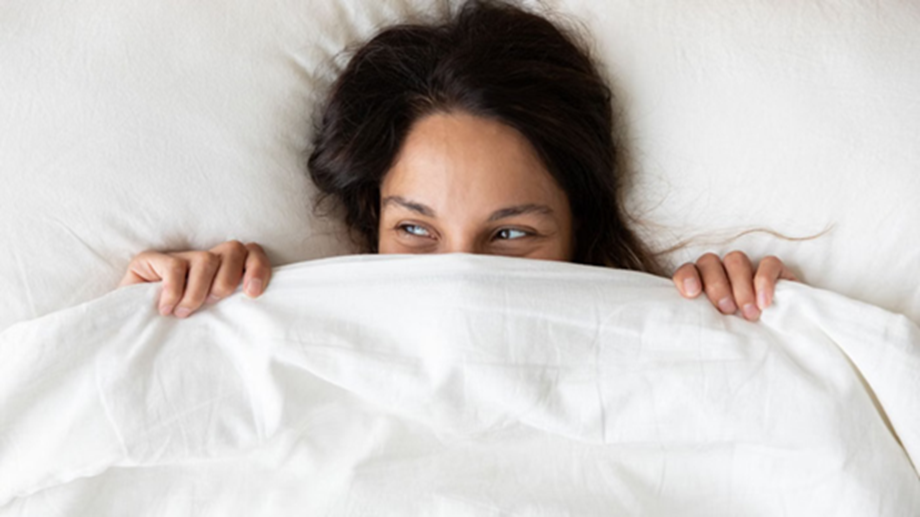
Carbon Dioxide Inside Blanket: During winter, when temperatures drop rapidly, many people sleep with their mouths and noses completely covered with blankets or quilts to protect themselves from the cold. This habit may feel warm and cozy at the time, but it can be detrimental to your health, seriously harming your breathing and overall well-being. Sleeping with your mouth covered reduces the amount of fresh air (oxygen) your lungs get.

As a result, you repeatedly breathe in the same air, which is high in carbon dioxide. Sleeping in air with low oxygen and high carbon dioxide is harmful to your brain and body. This habit not only impairs sleep quality but can also increase the risk of certain respiratory infections and cardiovascular diseases. Therefore, for a safe and healthy sleep in the cold, we must break the habit of covering our mouths and adopt the right approach.
Lack of Oxygen and Increased Carbon Dioxide
When you cover your mouth with a blanket, the air you exhale (rich in carbon dioxide) gets trapped inside the blanket. With your next breath, you inhale this carbon dioxide-laden air again.
This can lead to a lack of oxygen in the body, which puts stress on your brain and heart. Furthermore, sleeping with your mouth covered can also lead to morning headaches, fatigue, and dry mouth. This risk is even greater in children under 12 years of age.
Risk for Infections and Allergies
Moisture from the mouth gets trapped in the blanket or quilt fabric, making the environment inside the blanket warm and humid. This environment creates an ideal environment for mold growth. Sleeping with your mouth covered allows these allergens to be inhaled directly into the lungs, increasing the risk of allergies and respiratory infections.
Sleep Quality and Heart Impact
Due to a lack of oxygen, your brain remains restless throughout the night, preventing you from getting deep sleep. This lack of sleep leads to fatigue and lethargy throughout the day. Exposure to excessive CO2 puts pressure on blood vessels, which can affect heart rate and blood pressure.

The Right Way to Sleep in the Cold
To avoid the cold, wear warm clothes, a hat, and socks instead of covering your face, as most body heat is released through the head and feet. Keep blankets pulled up to your neck. You can use a heater to warm the room before bed, but be sure to turn it off before going to sleep.
PC Social Media