
LIFESTYLE
Health Tips: What effect does getting less than 8 hours of sleep have on the brain? Let's find out..
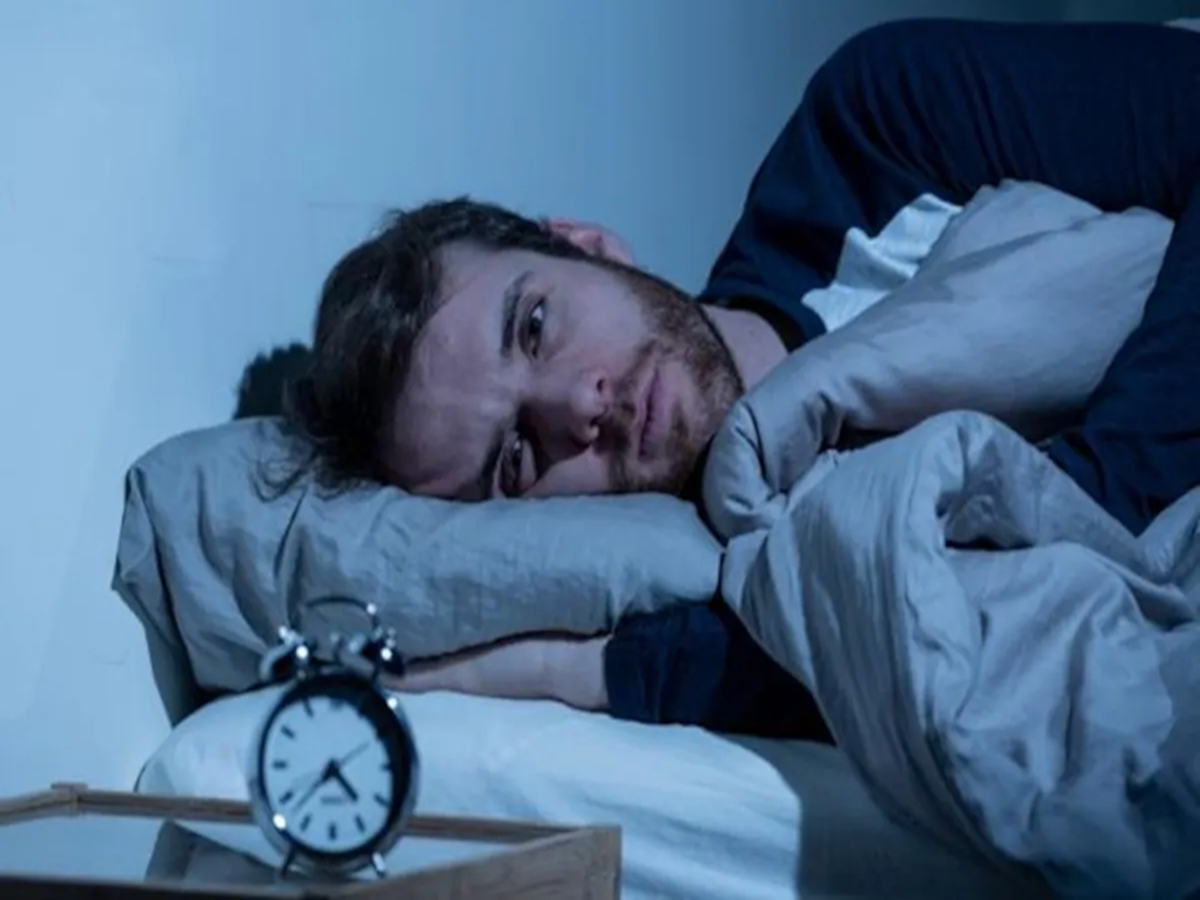
Sleep is as important to our body and mind as food and water. It's our body's reset button. Sleep reenergizes both our body and mind, eliminating fatigue from the day and allowing us to perform better. However, due to modern lifestyles, many people don't fall asleep on time or don't get a full eight hours of sleep. Some even sleep less than eight hours.

But have you ever considered the impact of sleeping less than eight hours on the brain? Let's explore its major effects.
1. Impact on Memory and Learning
During sleep, our brain stores information from the day. This is called memory consolidation. If sleep is insufficient, it becomes difficult to remember new information. The hippocampus, which forms new memories, cannot function properly under insufficient sleep. This results in a reduced ability to study or learn new things.
2. Decreased attention and decision-making
Lack of sleep affects your prefrontal cortex, which is responsible for thinking, decision-making, and planning. Not getting enough sleep can make it difficult to make even small decisions and can easily lead to distraction. Research shows that not sleeping for 24 hours has the same effect as having 0.10% alcohol in your body, meaning you become intoxicated without even drinking.
3. Emotional imbalance
Have you noticed that when you don't get enough sleep, you tend to get angry or sad over small things? This is due to the brain's Amygdala center, which controls emotions. This center becomes about 60% more active when you're sleep deprived, which can make you stressed, irritable, or emotional.
4. Risk of Alzheimer's and Dementia
During deep sleep, the brain's glymphatic system is activated, removing harmful proteins and toxins like beta-amyloid from the brain. Consistently lacking sleep causes these toxic proteins to accumulate in the brain. In the long run, this can increase the risk of neurological diseases like Alzheimer's and dementia.

5. Mental and Physical Fatigue
Lack of sleep not only affects the brain but also makes the body feel tired. The immune system weakens, blood pressure can rise, and energy levels drop. People who consistently sleep less also have an increased risk of obesity, diabetes, and heart problems.
Disclaimer: The information provided in this article is based on media reports. It is important to consult a relevant expert before adopting any suggestions.
PC Social Media