
LIFESTYLE
Health: Why does joint pain worsen with the arrival of the monsoon? Find out the real reason..
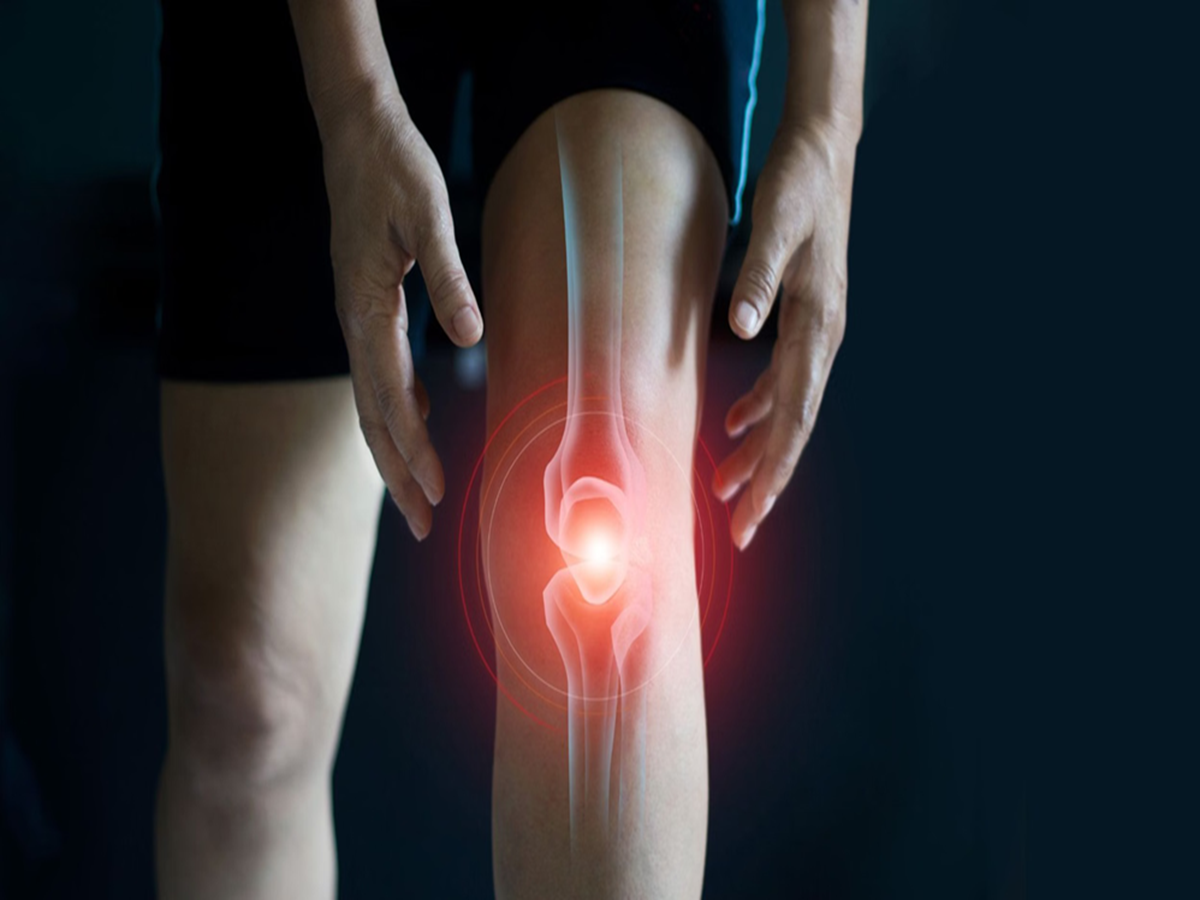
While the arrival of the monsoon after the scorching heat brings great relief to the mind, it creates new troubles for many people. Issues such as joint pain, swelling, and body stiffness become common during this season.
For patients suffering from rheumatoid arthritis or osteoarthritis, or those with old injuries, this season exacerbates physical discomfort. Indeed, the aggravation of joint pain during the rainy season is not merely a figment of the imagination; it is driven by entirely scientific factors and weather-related changes.
Scientific reasons for joint pain during the rains
Drop in barometric pressure
Atmospheric pressure drops significantly before and during rainfall. This drop causes the tissues surrounding our joints to expand slightly. In joints already affected by inflammation or arthritis, this expansion exerts extra pressure on sensitive nerves, triggering pain and stiffness.
Drop in temperature and constriction of blood vessels
When the weather suddenly turns cold, the body's blood vessels begin to constrict. This reduces blood flow to the body's extremities. Cold, damp air causes the tendons and ligaments around the joints to stiffen, making it difficult to bend the limbs.
Impact of humidity
Humidity levels are very high during the monsoon, disrupting the body's natural fluid balance. Reduced sweating and excessive moisture lead to fluid accumulation in the body's tissues. Consequently, joints—particularly in the hands, ankles, and knees—become swollen and stiff.
Reduced physical activity
Continuous rain makes it difficult to step outside, causing people to remain seated in one place at home. This lack of movement impedes the flow of synovial fluid, which acts as a lubricant for the joints. As a result, your joints may feel stiff when you move after a period of inactivity.
How to care for your joints this monsoon?
Here are some simple yet effective measures to help you find relief from joint pain during this season:
Protect yourself from cold and dampness: Avoid sitting directly in the cold airflow of an air conditioner or staying in wet clothes for long periods. If you suffer from chronic joint pain, wear knee sleeves or keep your knees wrapped in a warm cloth.
Exercise at home: If it is raining outside, walk indoors. Practice light stretching or low-impact yoga to maintain fluid circulation in the joints and strengthen your muscles.
Use heat therapy: Apply a heating pad or a hot water bag to the painful area for 15 to 20 minutes. This boosts blood circulation and helps relieve muscle stiffness.
Pay attention to diet and hydration: Sip lukewarm water throughout the day. Include anti-inflammatory foods in your diet, such as turmeric, ginger, omega-3-rich foods, and walnuts.
Prevent Vitamin D deficiency: Cloudy skies mean less sunlight during this season, which can lead to a drop in Vitamin D levels—a nutrient crucial for bone health. If necessary, consult a doctor about taking Vitamin D supplements.
When should you see a doctor?
While mild stiffness is common during the rainy season, you should seek immediate medical attention if you experience persistent joint swelling, redness, a sensation of heat in the joints, or an inability to bear weight on your legs.
PC Social Media