LIFESTYLE
Heart Attack vs. Panic Attack: Feeling anxious and experiencing chest pain? How to tell if it's a panic attack or a heart attack..

A heart attack is typically characterized by chest pain and tightness, accompanied by profuse sweating, stomach discomfort, and pain radiating to the jaw and arms. Rapid heartbeat, shortness of breath, and a sense of anxiety or panic are also commonly observed. However, these symptoms do not always indicate a heart attack.
At times, sensations of chest pressure and a racing heart accompanied by anxiety can signal a panic attack. Therefore, it is crucial to understand how to distinguish between a heart attack and a panic attack.
**Panic Attack vs. Heart Attack**
Health experts state that while the symptoms of panic attacks and heart attacks may appear similar, the underlying causes are vastly different.
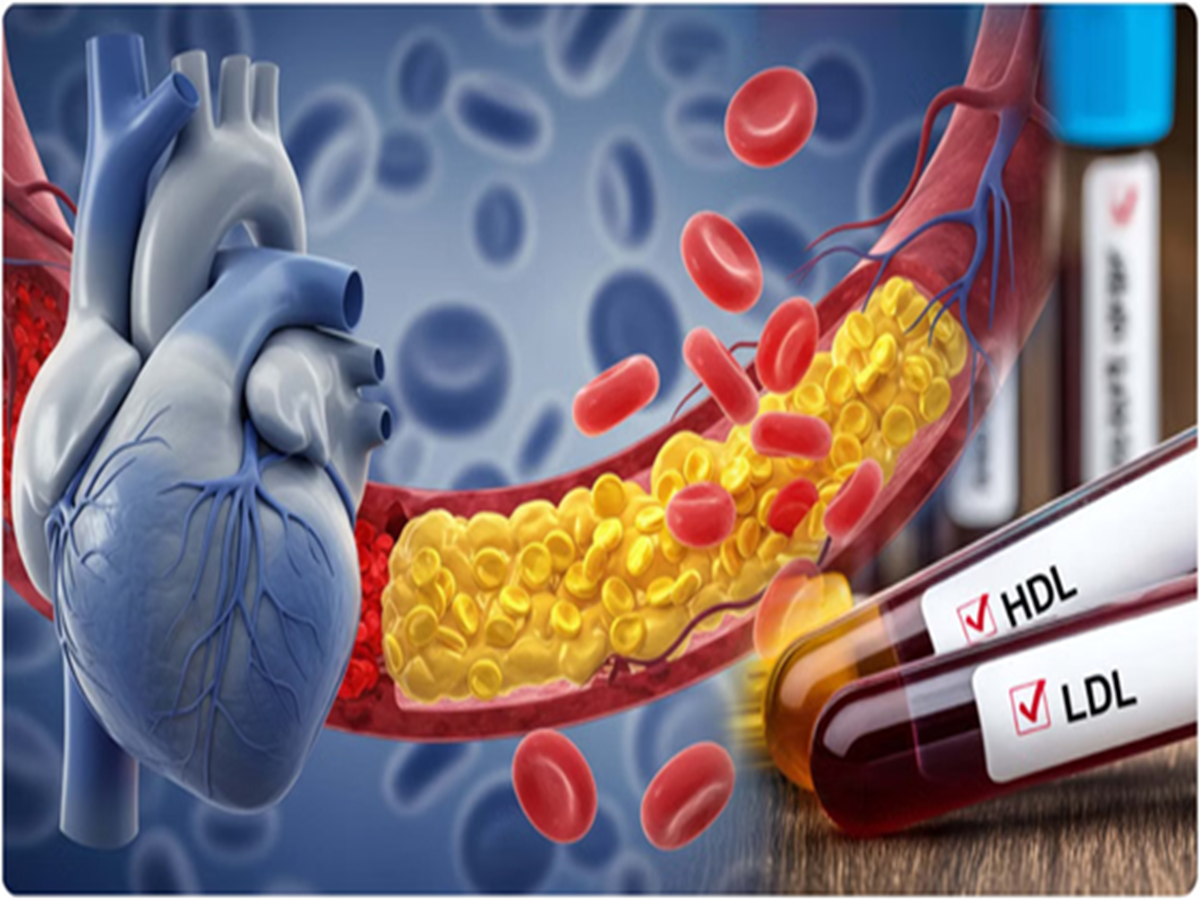
A heart attack occurs when the blood vessels supplying the heart become blocked, cutting off the oxygen supply to the heart muscles.
In contrast, a panic attack involves a sudden onset of intense fear or anxiety.
People often get confused because the body exhibits similar physical signs in both situations.
**What Causes These Issues?**
Doctors explain that a panic attack is a sudden episode of anxiety or fear, during which the individual feels as though something terrible is about to happen. It is primarily a mental health issue. Triggers can include stress, excessive anxiety, phobias, caffeine intake, or sleep deprivation. While it can feel terrifying, it is generally not life-threatening.
On the other hand, a heart attack occurs when blood flow to the heart muscle is suddenly interrupted, usually due to a blockage in the coronary arteries that deprives the heart of oxygen. Heart attack symptoms tend to intensify gradually and do not subside with rest. High cholesterol and high blood pressure are considered key risk factors for this condition.
**How to Distinguish Between a Heart Attack and a Panic Attack?**
Doctors note that a heart attack is a medical emergency, whereas a panic attack typically resolves on its own within a few minutes. A panic attack often strikes suddenly due to stress, fear, excessive anxiety, lack of sleep, or a specific trigger. It can last anywhere from a few minutes to a few hours.
In contrast, the symptoms of a heart attack tend to worsen progressively and do not subside even with rest.
Doctors explain that if chest pain is steadily intensifying and radiating to the left arm or jaw, it could be a sign of a heart attack. However, if one experiences a sudden onset of fear, anxiety, and rapid breathing that returns to normal after a short while, it is considered a panic attack.
PC Social Media