LIFESTYLE
Heart Health: Is your sleep slowly diminishing? Find out how close you are to a heart attack..

Getting enough sleep not only refreshes the body and mind but also protects against many serious diseases, such as heart attack and stroke. However, nowadays, due to the use of mobile phones and electronic devices, people stay up late at night, disrupting sleep patterns and negatively impacting their health. Let's explore in detail what recent research has revealed and how this can affect heart health.

What the Research Found
A study published in the European Heart Journal states that people who sleep between 10 pm and 11 pm have the lowest risk of heart attack and stroke. This is known as the "golden hour."
Research also revealed that sleep has a similar impact on health as exercise and a balanced diet. Working or staying up late at night disrupts the body's natural clock, the circadian rhythm. This clock regulates heart rate, blood pressure, and hormonal balance. If it worsens, it negatively impacts both the heart and brain.
Research Participants
The study included people aged 43 to 74 years. Participants were fitted with a special sleep tracking device to monitor their sleep patterns. This study, which lasted approximately 5.7 years, clarified the relationship between sleep and heart disease risk.
# Research Results
Those who slept between 10:00 and 10:59 pm had the lowest risk of heart problems.
Those who slept between 11:00 and 11:59 pm had an approximately 12% increased risk of heart disease.
Those who slept after 12:00 pm had a 25% increased risk of heart attack and stroke.
Interestingly, those who slept before 10 pm also had an approximately 24% increased risk.
The study also found that women are more affected by sleep patterns than men, as sleep has a greater impact on their hormonal cycles and biological clocks.
# Preventive Measures
Go to bed on time: Make it a habit to go to sleep and wake up at approximately the same time every day.
Digital detox: Reduce the use of mobile phones, TVs, and other electronic devices before bed.
Light and early dinner: Eat a light and timely dinner to avoid interruptions in sleep.
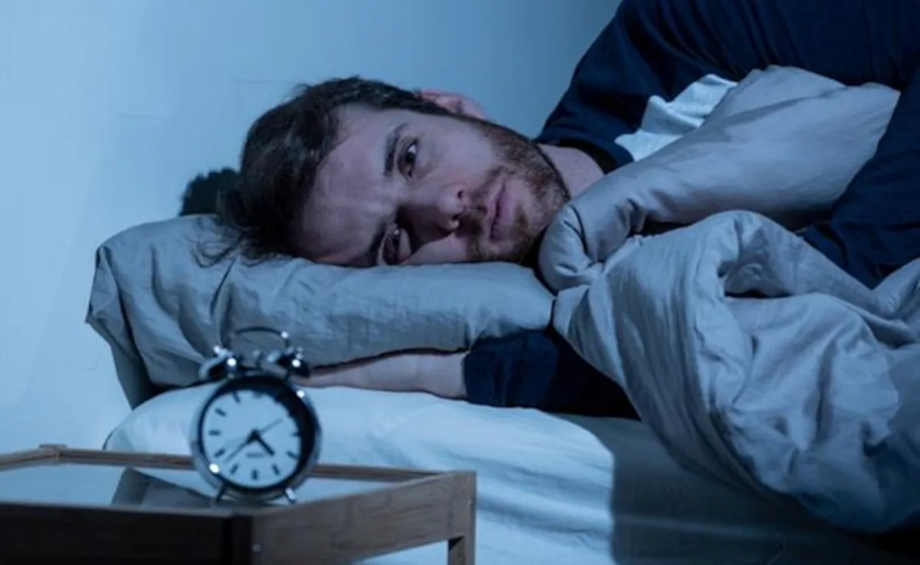
Employ relaxation techniques: Meditation or light stretching can help improve sleep.
Getting adequate sleep at the right time will not only keep you energetic throughout the day but also reduce the risk of serious illnesses like heart attack and stroke.
PC Social Media