LIFESTYLE
Heart Health: The heart gives these 5 warnings before getting blocked, ignoring them can be costly...
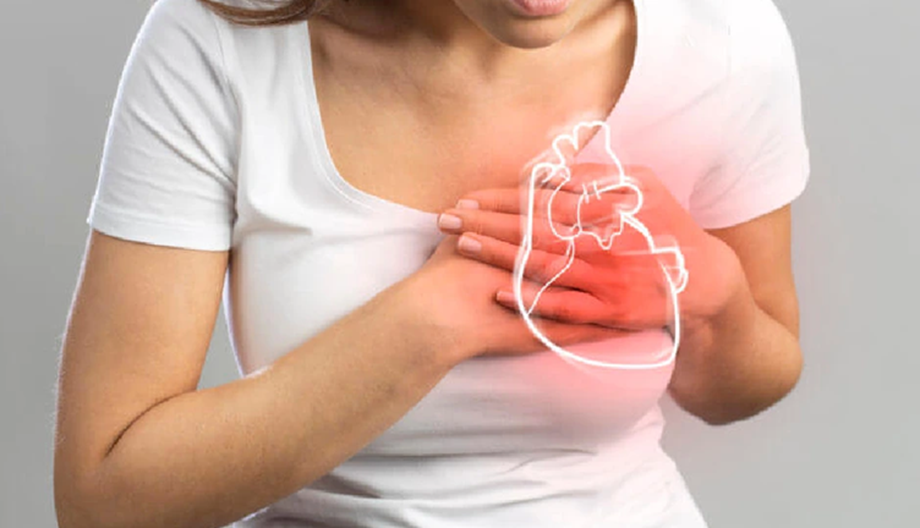
Our heart works every moment to ensure blood and oxygen supply to every part of the body. However, when blockages develop in the blood vessels, this condition can be extremely dangerous. This is medically known as coronary heart disease or heart blockage. Fortunately, the body provides some warning signs before this danger occurs. If these signs are recognized in time, a serious condition like a heart attack can be avoided. Let's explore five early warning signs that indicate the risk of heart blockage.

1. Chest pain or heaviness
Chest pain is the most common and early sign of heart blockage. If you experience burning, tightness, or pressure in your chest, don't take it lightly. This could be a sign of angina—a condition that occurs when the heart doesn't receive enough blood. This pain can worsen with mental stress or strenuous activity, and may subside slightly with rest.
2. Difficulty Breathing
Even minor physical activity, such as walking, talking, or climbing stairs, causes fatigue and shortness of breath, this could be a sign of a lack of blood supply to the heart. Shortness of breath is an early and serious symptom of heart blockage. It is crucial to seek medical attention immediately.
3. Feeling Tired or Weak
If you feel unusually tired while performing everyday tasks, it could be a sign that your heart is not able to deliver enough oxygen to your body. Persistent fatigue or lack of energy often indicates the onset of a blockage in your heart arteries.
4. Pain in the Arm, Neck, or Jaw
Pain from a heart problem isn't always confined to the chest. It can sometimes spread to the left arm, back, neck, or jaw. People often dismiss this pain as minor muscle pain, but this neglect can be a serious threat. If the pain recurs or occurs without any reason, seek medical advice immediately.
5. Irregular Heartbeat
If your heartbeat suddenly increases, your heart starts fluttering, or you feel dizzy, don't ignore it. Palpitations can be a sign of increased pressure on the heart and blockages in the arteries.
Main Causes of Heart Blockage
According to medical experts, the most common cause of heart blockage is atherosclerosis. In this condition, fat, cholesterol, and calcium accumulate in the arteries, forming a layer that obstructs blood flow. This layer gradually thickens and forms a blockage.
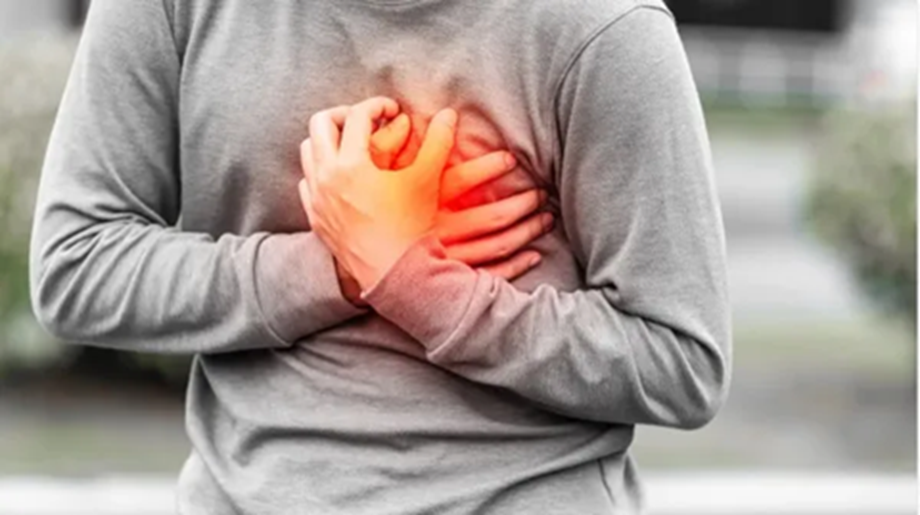
Furthermore, the following factors increase the risk of heart blockage:
- High cholesterol and blood pressure
- Smoking and alcohol consumption
- Diabetes and obesity
- Lack of physical activity
- A family history of heart disease
PC Social Media