LIFESTYLE
High blood pressure: Its dangerous effects on the body and early symptoms, ignoring them can be costly..
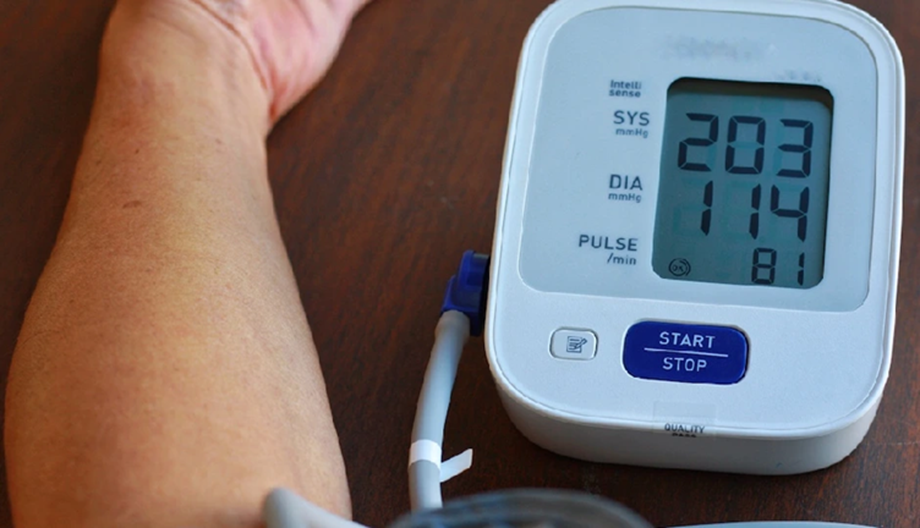
High blood pressure or high blood pressure has become a common but dangerous health problem in today's time. Its symptoms are not very clear in the beginning, so many people take it lightly. But if not controlled for a long time, it deeply affects the heart, brain, eyes, kidneys, and the entire body. Let us know what changes are seen in the body when there is high BP.

1. Effect on arteries
Constant high blood pressure increases the pressure on the walls of the arteries. Over time, micro cuts or damage begin to occur in the walls of the arteries. Fat and cholesterol accumulate in these places, which is called plaque. As a result, the arteries become narrow and blood flow decreases. Due to narrowed arteries, adequate oxygen and nutrients do not reach the organs of the body, affecting the functioning of the organs. This situation increases the risk of heart attack and stroke. In addition, prolonged high blood pressure causes the arteries to harden (atherosclerosis), making blood circulation even more difficult and putting extra strain on the heart.
2. Brain and stroke risk
High blood pressure also has a profound effect on the nerves of the brain. Persistently increased pressure can force a vein to burst or become blocked. When blood flow to the brain is cut off, the risk of stroke increases. Prolonged high blood pressure weakens the small nerves of the brain. As a result, problems like memory loss, reduced thinking ability, and dementia can develop.
3. Effect on the eyes
The blood vessels of our eyes are very thin and sensitive. High blood pressure increases the pressure on them. The vessels may burst, swell, or affect blood flow. This can result in blurred vision, swelling in the eyes, and in severe cases, even permanent blindness. Long-term unmanaged high BP can also damage the retina (the back layer of the eye).
4. Effect on heart functioning
When there is high BP, the heart has to work harder than normal so that blood can reach the whole body. Due to constant high pressure, the heart muscles start thickening and hardening, which is called left ventricular hypertrophy. Initially, the heart seems strong, but gradually its efficiency starts decreasing and the risk of heart failure increases. Apart from this, high blood pressure can also cause irregular heartbeat (Arrhythmia).
5. Effect on kidney
The kidney works to remove toxic elements and excess water from the body. But if there is persistent high blood pressure, the blood vessels of the kidney get affected, which reduces the filtering capacity. Long-term unmanaged high BP can even lead to kidney failure. Apart from this, poor functioning of the kidney can cause excess water and sodium to accumulate in the body, which can further increase blood pressure.
Why is high blood pressure called a “silent killer”?
High blood pressure slowly damages every part of the body and is not even detected in the beginning. Therefore, it is very important to get blood pressure checked from time to time.
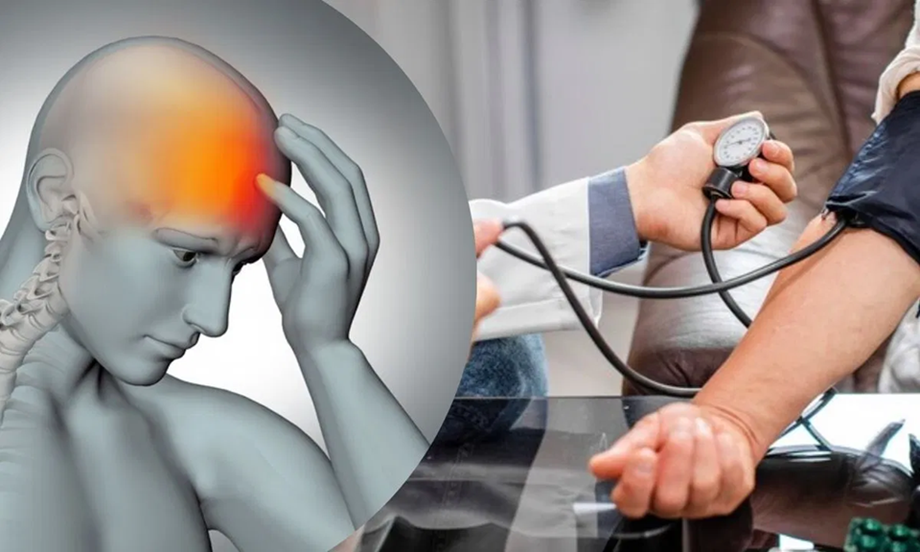
- Take the medicines prescribed by the doctor regularly.
- Adopt a balanced diet, which includes less salt and less processed food.
- Exercise regularly and keep your weight under control.
- Adopt measures to reduce stress, such as meditation or yoga.
- By adopting the right care and lifestyle, you can control high blood pressure and protect your body from serious health risks.
PC Social media