LIFESTYLE
HIV Risk: Alert in Himachal regarding HIV infection; what should you do if accidentally pricked by a used syringe?
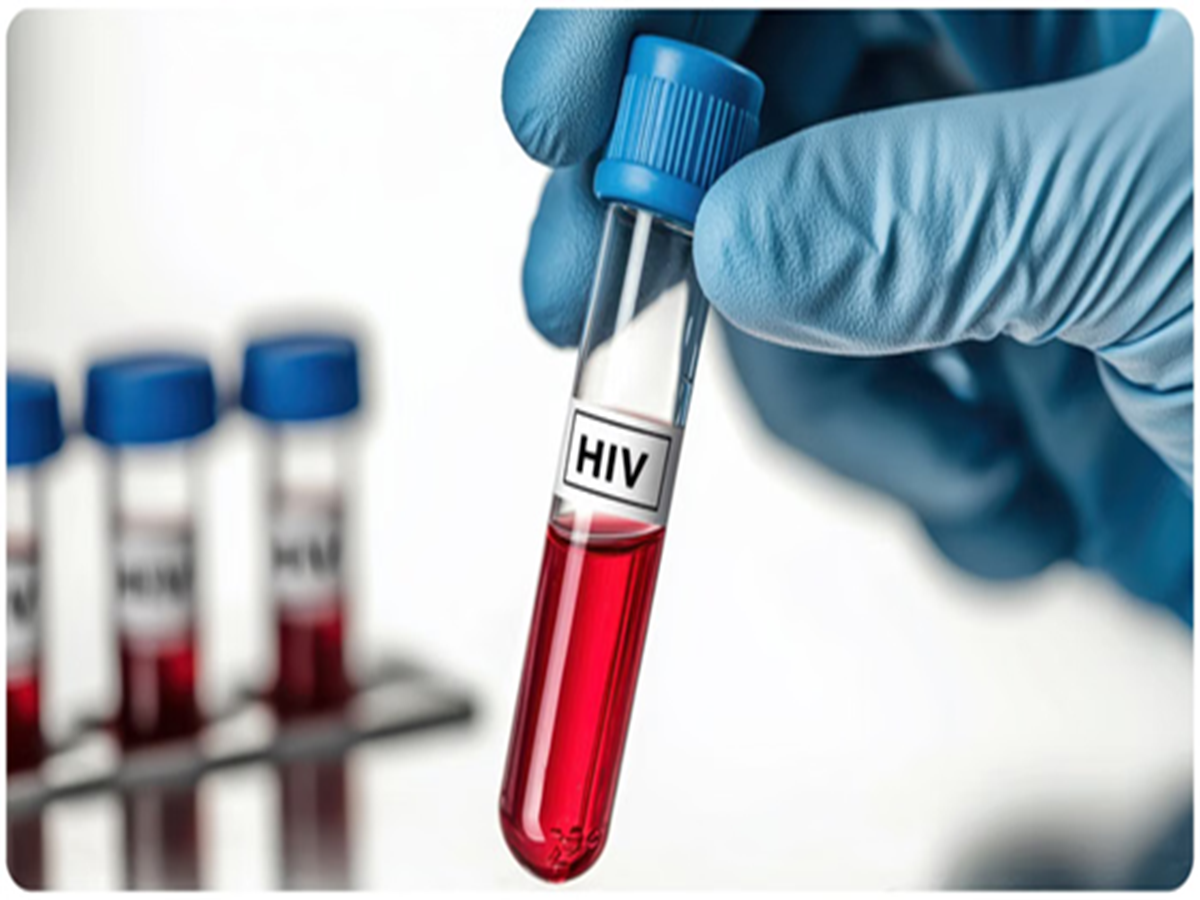
The threat of Human Immunodeficiency Virus (HIV) is a global concern. However, the disease is no longer incurable; advancements in medical science and state-of-the-art medications have helped mitigate the risks associated with HIV infection. HIV is the virus that causes Acquired Immunodeficiency Syndrome (AIDS).

India also faces a risk of this infection. Recent reports indicate rising concern regarding new HIV cases in Himachal Pradesh. Data from 2025–26 reveals that 19 percent of HIV infections were linked to the sharing of syringes. The number of such new cases rose from 363 in 2021–22 to 1,000 in 2024–25.
A report published earlier in June had already highlighted cases of HIV and other STDs in several tribal districts of Himachal Pradesh. Currently, the spread of HIV through shared syringes is a significant concern.
**The Risk of HIV**
Health experts state that HIV can spread through various means, including unprotected sexual contact, transfusions of infected blood, transmission from an infected mother to her child, and the use of infected needles. If a needle previously used on an HIV-positive person is used on another individual, there is a risk of the virus entering the body.
However, experts note that not every used syringe necessarily transmits HIV. Factors such as the HIV status of the person on whom the needle was previously used and the timing of the exposure are crucial considerations.
Health experts emphasize that even if the risk of HIV transmission from a used needle might be low in certain instances, there remains a significant risk of contracting other blood-borne infections, such as Hepatitis B and Hepatitis C. Therefore, a new syringe should always be used. What should you do if pricked by a contaminated needle?
First, wash the wound thoroughly with soap and water. There is no need to scrub the wound vigorously. You should then consult a doctor immediately.
Inform the doctor about when the injury occurred; knowing who used the needle previously helps in assessing the risks.
Based on the risk assessment, the doctor may recommend testing for HIV, Hepatitis B, and Hepatitis C.
The doctor may prescribe Post-Exposure Prophylaxis (PEP). This is a set of emergency medications that prevent HIV infection. It is most effective when taken within the first few hours; generally, it is crucial to start taking it within 24 to 72 hours under medical advice.
Keep these points in mind as well:
Health experts state that needles or syringes should never be reused or shared. Healthcare facilities must use safe and sterile injection equipment for every patient.
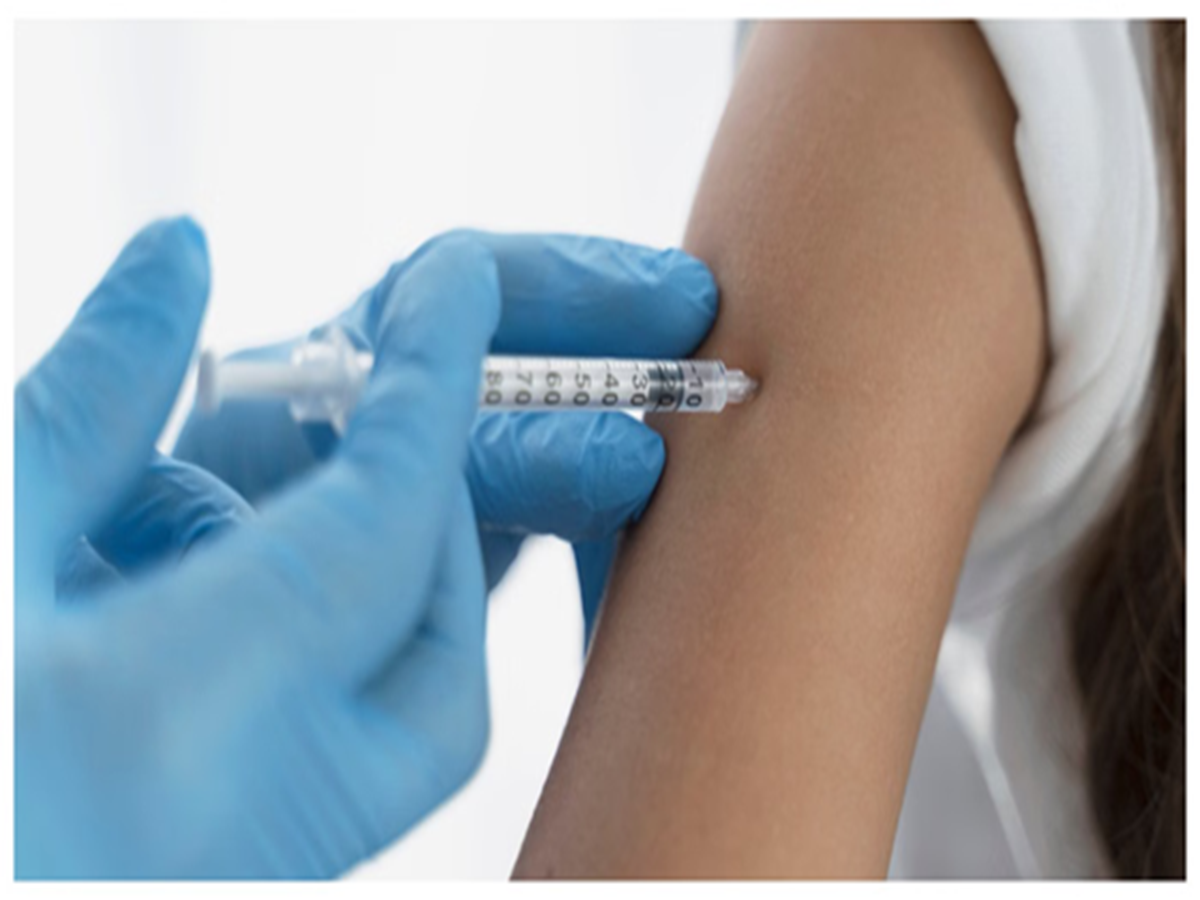
If you spot a discarded needle in a public place, do not pick it up with your bare hands.
For those administering injections, using a new, sterile needle and syringe every time is one of the most important precautions.
PC Social Media