
ENTERTAINMENT
Holashtak 2026: Holashtak begins today; learn why these 8 days before Holi are considered inauspicious..
Why Holashtak Is Inauspicious: The Saptami of the Shukla Paksha of the Phalguna month will last until 7:01 am on Tuesday, February 24, 2026. After this, as soon as the date of the Shukla Paksha of the Phalguna month begins, Holashtak will be considered to begin. Traditionally, no auspicious work is performed from Holashtak until Holika Dahan. However, various beliefs exist regarding this, and many scholars also attribute these to seasonal and social reasons. Let us understand why these eight days before Holi are considered inauspicious.
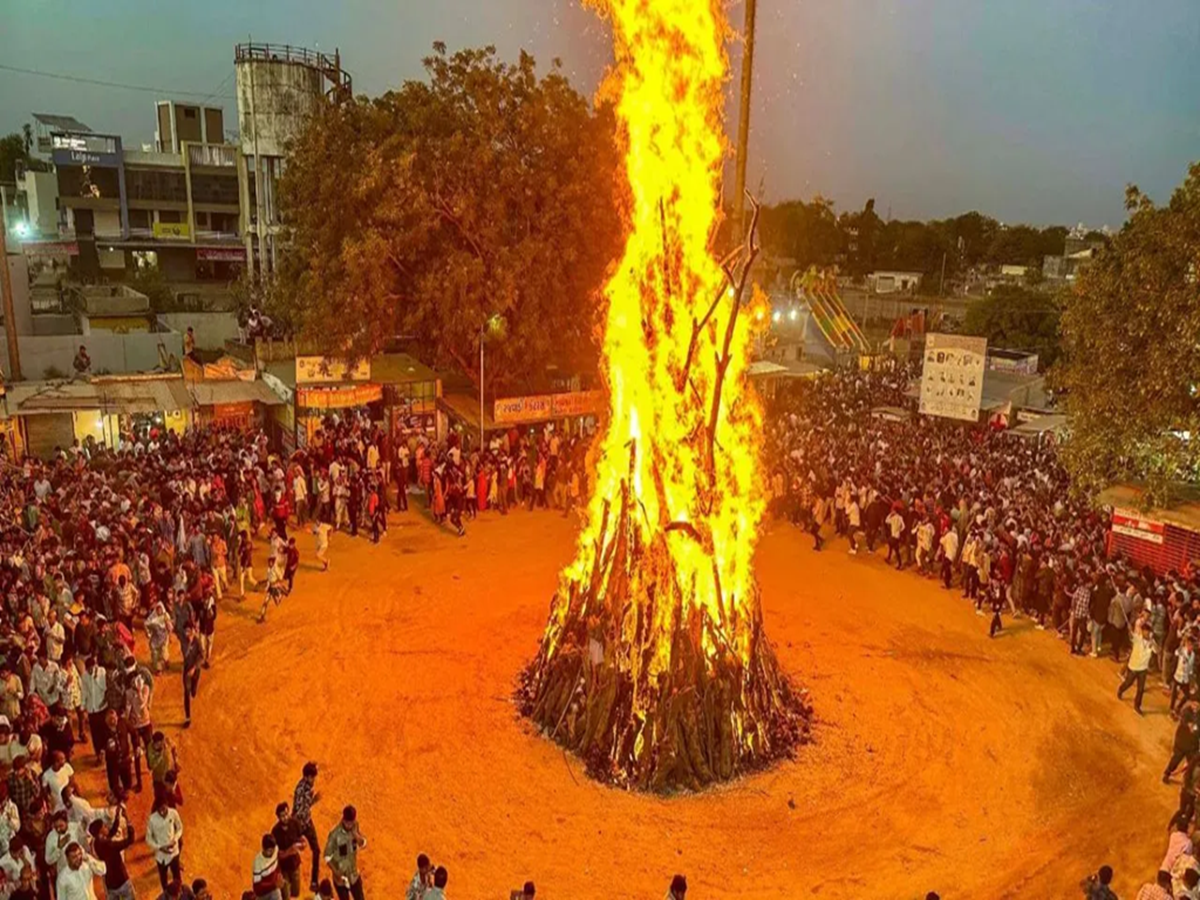
What is Holashtak?
In religious scriptures, the eight days from Falguna Shukla Ashtami to Holika Dahan are called 'Holashtak'. Astrological texts mention that auspicious events such as marriage, house warming, tonsure, and naming ceremonies should be avoided during these eight days. The word 'Holashtak' is made up of two parts: 'Hola', meaning Holi, and 'Ashtak', meaning eight. Thus, the eight days preceding Holi are called Holashtak. It is believed that purchasing new items or starting any major auspicious work should be postponed during this period.
Beliefs Related to the Origin of Holashtak
According to mythology, the beginning of Holashtak is believed to be linked to a special event. It is said that when Lord Shiva, enraged, burned Kamadeva (Lord Shiva), these eight days became considered special. These days are considered a time for restraint, meditation, and introspection. This is why most of the sixteen rites are not performed during this period. If any essential work has to be done, it is prescribed to first recite the Shanti Path or perform a special puja.
According to another legend, during these eight days, the demon king Hiranyakashipu tortured his son Prahlad to make him abandon his devotion to Lord Vishnu. Despite immense suffering, Prahlad remained steadfast in his devotion. Ultimately, to protect him, Lord Vishnu took the form of Narasimha and killed Hiranyakashipu. Holika Dahan is celebrated in memory of this event.
According to another legend related to Lord Krishna, Krishna celebrated the festival of colors with the Gopis for eight days before Holi. On the day of Dhulandi, clothes soaked in colors were offered to the fire, after which this tradition became established as a festival. Thus, Holika Ashtami is not only a time of taboos, but also a period of devotion, preparation, and self-control, which prepares us mentally and socially for the joyous festival of Holi.
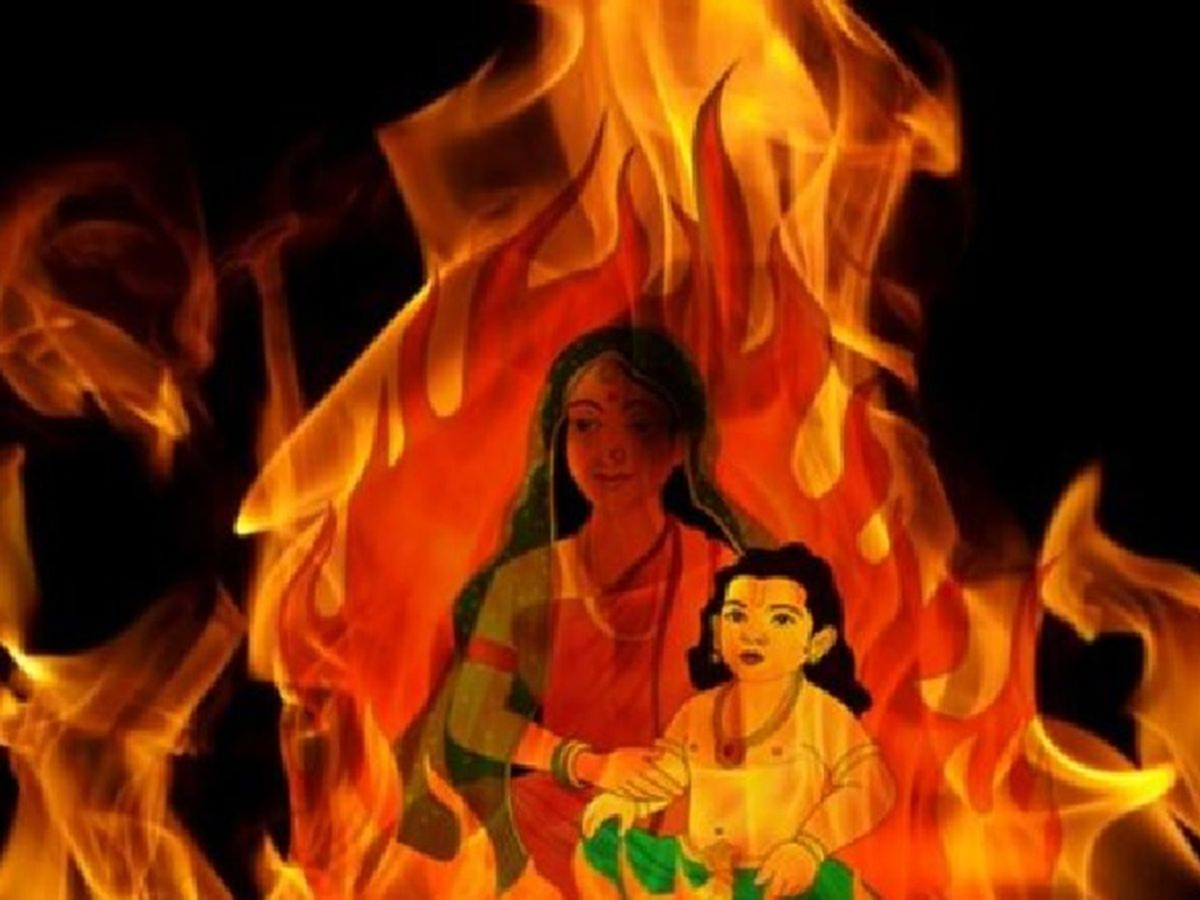
The Significance of Holika Ashtami
Holakashtak is also considered the official beginning of the Holi festival. As soon as this period begins, preparations for Holika Dahan begin in villages and cities. This time is considered special not only from a religious perspective but also because of the changes in nature. During this period, the weather begins to change, winter gradually recedes, and the effects of summer become visible. Health precautions are essential in changing weather, which is why there is a tradition of avoiding large gatherings.
PC Social Media