Food & recipe
How did people keep milk, curd, and vegetables safe before the arrival of the refrigerator? Find out..

Traditional Storage Methods: Nowadays, the refrigerator is considered an essential appliance in every household. Everything from milk and vegetables to leftovers, fruits, and curd is stored in the fridge to prevent spoilage. In summer, even a single day without a fridge feels difficult; yet, consider this: before electricity reached villages and modern appliances like refrigerators existed, how did people keep their food from spoiling? Our grandparents managed to keep food fresh for days without any machinery. People of the past had a deep understanding of the seasons, the soil, and natural elements. This knowledge led them to adopt traditional methods that remain effective in many villages and hilly regions today.
Remarkably, these methods are not only cost-effective but also environmentally friendly. If you are curious about how people preserved food without refrigerators in the past, you will find this information quite fascinating.
**Earthen Pots Provided Natural Cooling**
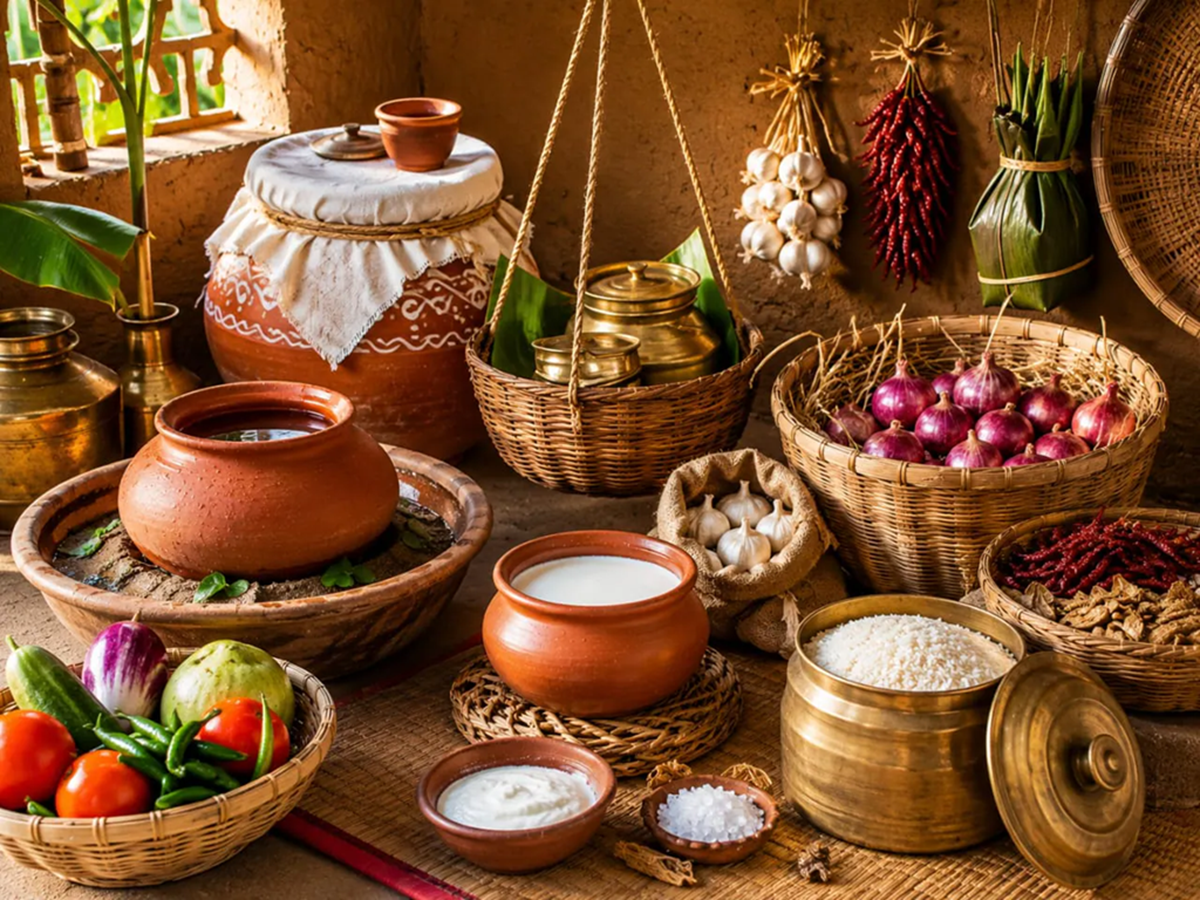
In the past, earthen pots and pitchers served purposes beyond just keeping water cool. People used them to store milk, curd, buttermilk, and even cooked food. As water gradually evaporated from the porous surface of the clay, the internal temperature dropped. This process kept the contents cool for extended periods. In many places, people would cover the pot with a damp cloth to prolong the cooling effect.
**The 'Zeer' Pot: A Traditional Refrigerator**
The 'Zeer' pot was a widely popular storage method used in regions of Africa and the Middle East. It consisted of a smaller clay vessel placed inside a larger one, with the space between them filled with wet sand. The setup was topped with a damp cloth. As the water in the sand evaporated, it created a cooling effect inside, keeping fruits, vegetables, and milk fresh for a day or two. Similar techniques were also practiced in many hot regions of India.
**Preserving food with flowing water**
In hilly regions, people utilized streams and flowing water. Cooking vessels were suspended over or placed near the water. The constant flow of cold water prevented food from spoiling quickly; it kept odors at bay and inhibited bacterial growth. This method can still be observed in some remote villages today.
**The crucial role of salt and sunlight**
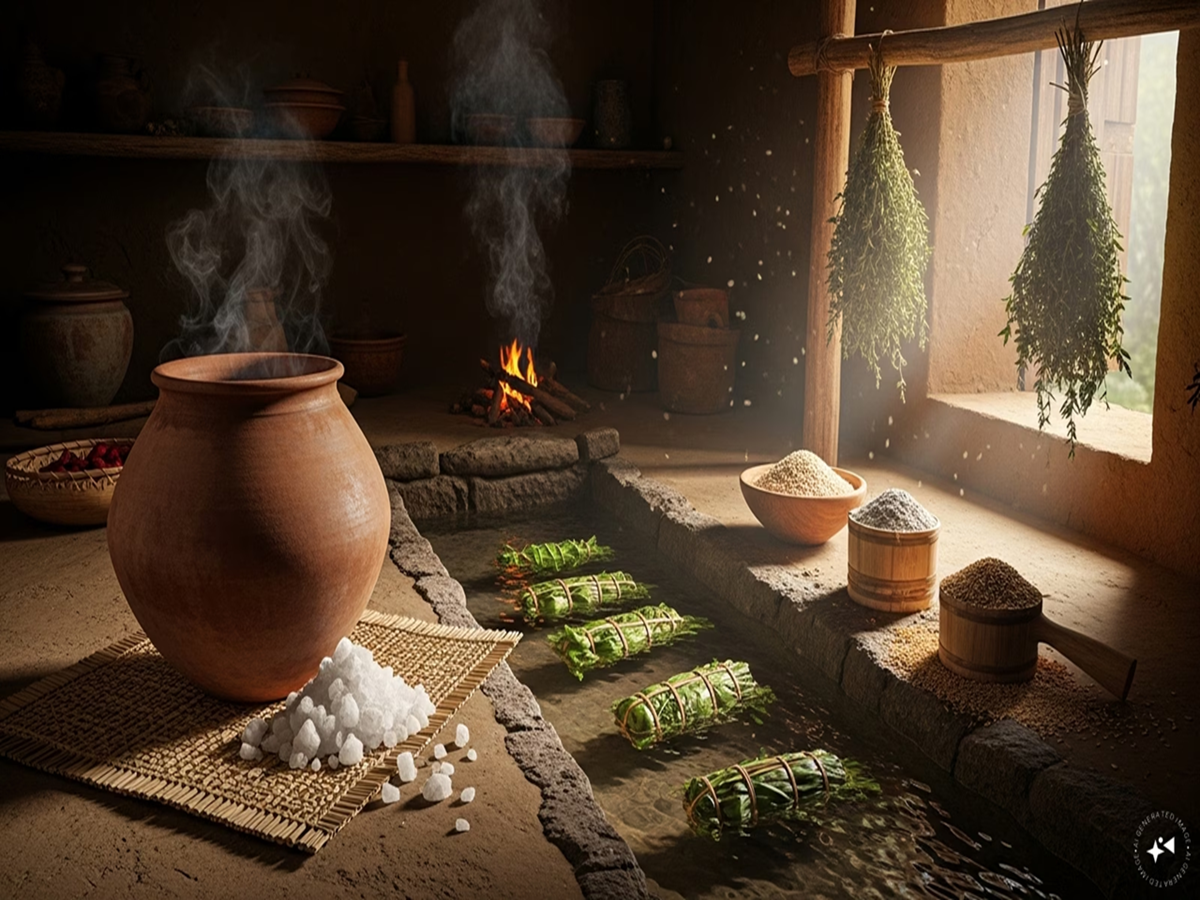
Before the advent of refrigerators, salt and sunlight were the primary means of preservation. People would salt fish, meat, and vegetables and dry them in the sun. This process removed moisture, thereby reducing the risk of spoilage. Even today in India, pickles, *papads*, *badis* (sun-dried lentil dumplings), and dried fish are prepared using this method. The tradition of salting and drying raw mangoes is also quite ancient.
**Storing produce underground**
In Kashmir, Nepal, and other cold regions, people stored potatoes, onions, and other vegetables in underground pits. Underground temperatures remain relatively stable, preventing the produce from spoiling quickly. In some villages, people still create small storage pits in their courtyards to store grains and vegetables.
**Protecting vegetables with ash and husk**
In rural areas, people preserved items like ginger, turmeric, garlic, and sweet potatoes by burying them in dry ash or husk. The ash absorbed moisture and kept pests away, allowing the vegetables to remain fresh for longer periods. This method was particularly popular in villages.
**Enhancing flavor through fermentation**
In hilly regions, people stored vegetables in sealed containers with salt and spices. After a few days, natural fermentation would occur. This process not only prevented spoilage but also enhanced the flavor. Many traditional foods in the Himalayan regions are still prepared using this technique.
**These traditional methods remain useful today**
Even though refrigerators are now common in most households, these traditional methods remain highly practical. They can prove to be extremely helpful during power outages or for those living in rural areas. Moreover, they do not harm the environment. That is why many people are now returning to traditional methods.
PC Social Media