Parenting
How do you teach children to forgive? When they grow up, they won't take offense even at trivial matters..

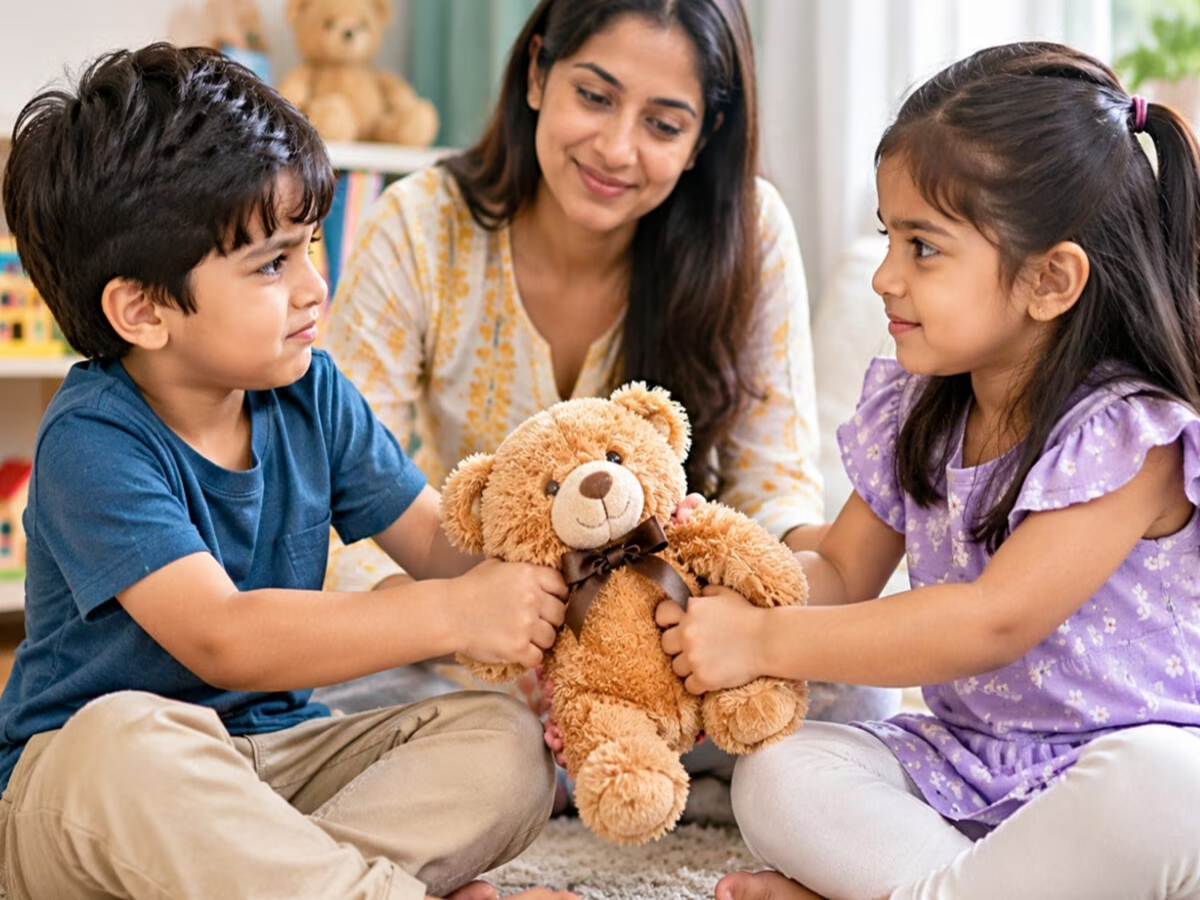
Teaching children to forgive is not merely a good habit; it is an essential part of their emotional development. Children who learn to forgive from a young age tend to navigate relationships better as they grow up; they do not take trivial matters to heart and maintain greater mental tranquility. The habit of getting angry over every little thing, harboring grudges, or plotting revenge can lead to increased stress later in life. Therefore, parents should instill the values of forgiveness and understanding in their children right from childhood.

First and foremost, it is crucial to understand that children learn more by observing than by listening. If adults in the home constantly squabble over trivial matters, harbor long-standing grudges, or refuse to forgive one another, the child will inevitably adopt the same behaviors. Therefore, parents must lead by example. If someone in the household makes a mistake, use phrases such as "It's okay" or "Just be careful next time." This helps the child understand that a relationship is not ruined by every single mistake.
**Teach Them to Identify Emotions**
Often, a child remains upset simply because they are unable to identify their own feelings. Teach them that if a toy gets broken or a friend refuses to cooperate, it is natural to feel sad, angry, or disappointed. Once a child learns to recognize their emotions, they also learn how to manage them. You might say, "You feel bad, and that's okay; but now, let's think about what to do next."
**Not Every Mistake Is Intentional**
Explain to children that people do not always act with the deliberate intention of causing harm. Sometimes, a push happens by accident; sometimes, rules get broken during play; and sometimes, words slip out unintentionally. If a child grasps the concept that not every incident is a personal attack, they will feel less resentful and be able to forgive more readily.
**Both Forgiveness and Boundaries Are Essential**
Forgiving does not mean tolerating everything. You must also teach children that if someone repeatedly behaves inappropriately, teases them, or causes them harm, it is necessary to say "no" and inform a trusted adult. In other words, while forgiveness is a virtue, maintaining one's own safety and self-respect is equally important. **Teach Through Stories and Games**
Instead of delivering direct lectures, teach children using stories, examples, and role-play. For instance, create a story about two toys fighting, and then ask: "Who was right? Who was at fault? And what should be done now?" In this way, the child learns by thinking things through.
**Offer Praise When a Child Forgives**
If, after an argument with a friend, a child resumes playing with them—or forgives a sibling for a mistake—be sure to offer praise. Say, "You showed great maturity." This encourages the child to repeat this positive behavior.
**Teach the Practice of Self-Talk**
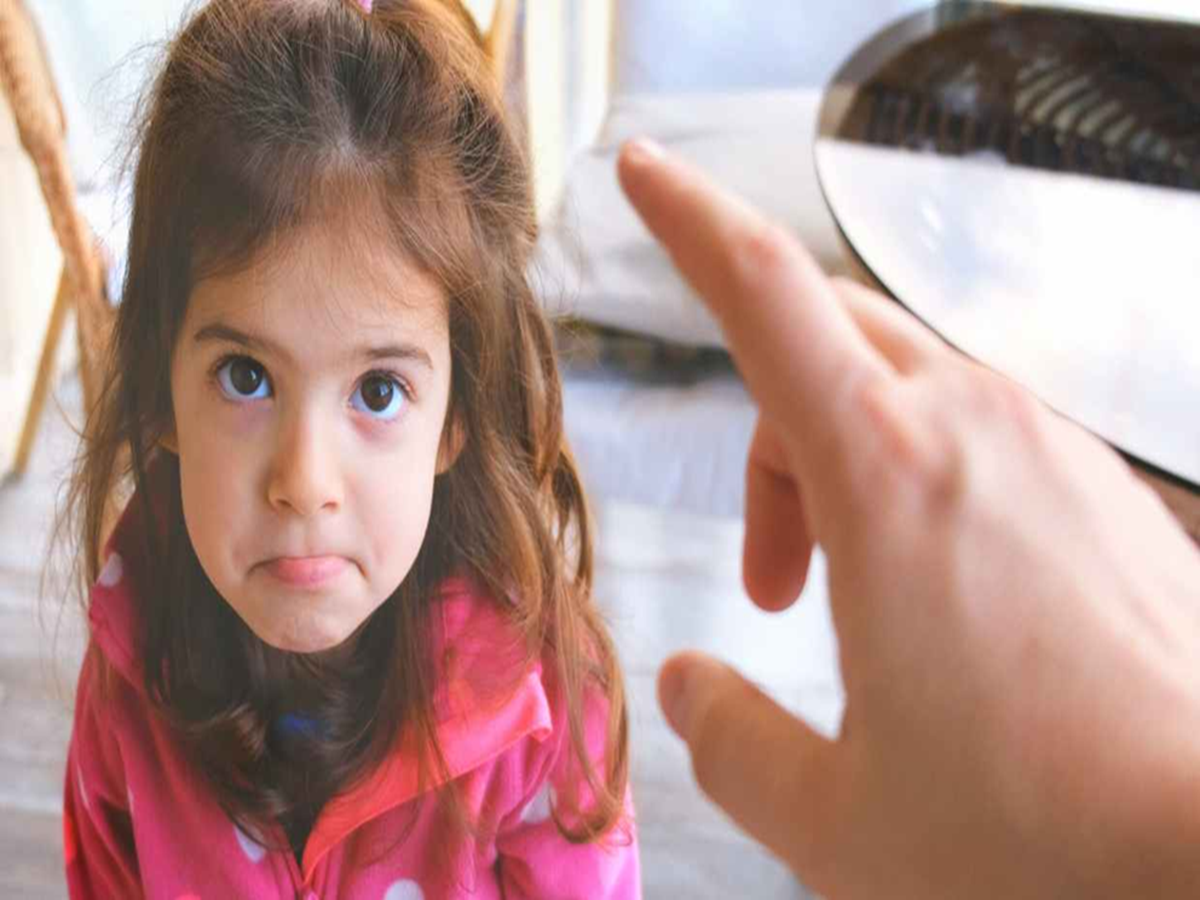
To help them maintain a calm mind as they grow up, teach children the habit of not reacting immediately to every situation. Encourage them to take a deep breath, count to ten, and then consider whether the issue is truly as significant as it seems. This skill serves them well throughout their entire life and is also beneficial for reducing stress.
PC Social Media