

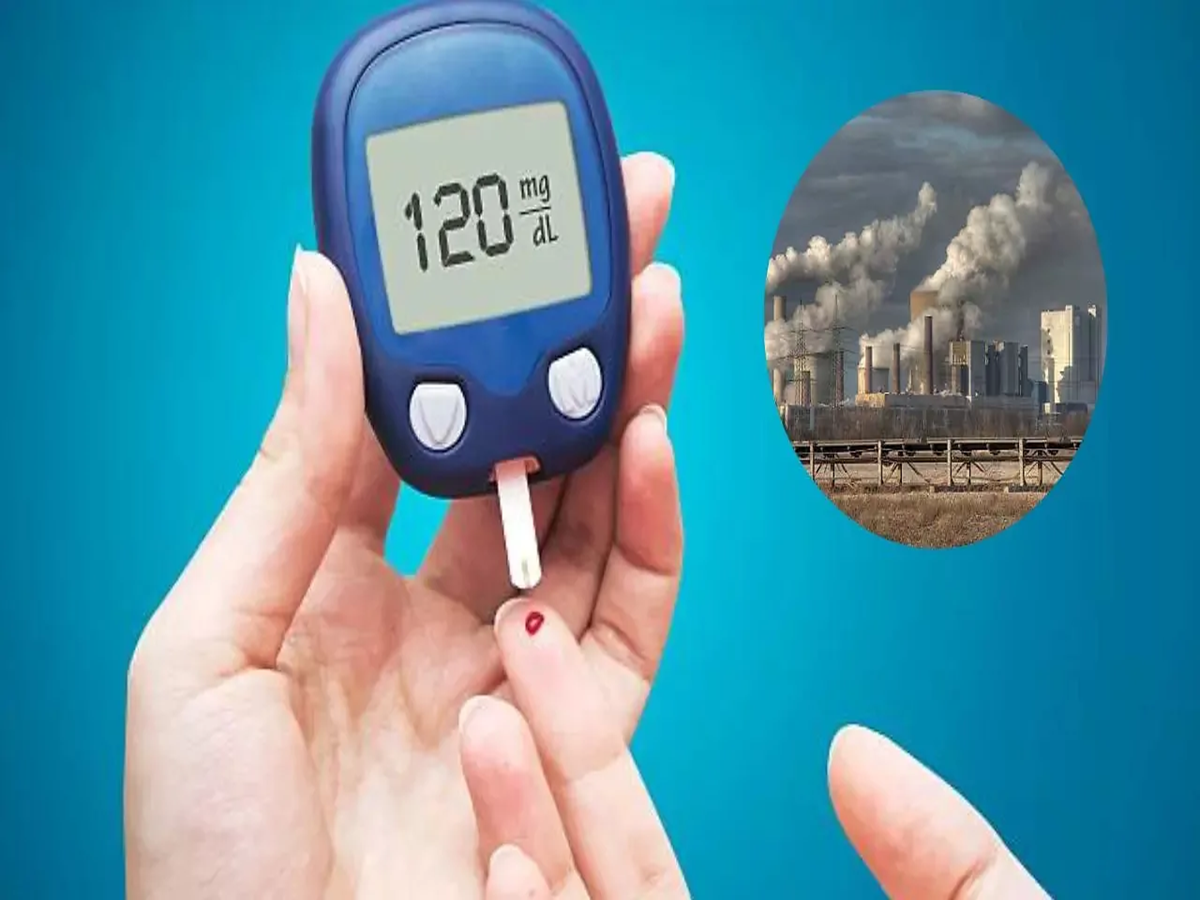
The Impact of Pollution on Diabetes: Polluted air contains PM 2.5 particulate matter. Within these PM 2.5 particles, toxic substances—such as nitrogen oxides, sulfur dioxide, ammonia, ammonium sulfate, aromatic hydrocarbons, lead, cadmium, arsenic, chromium, nickel, and manganese—condense and bind together. Many of these particles are carcinogenic, meaning they can cause cancer. This polluted, smoke-like air enters our lungs through inhalation and subsequently spreads to various organs throughout the body. For individuals with respiratory conditions, this smoke makes breathing difficult; however, it is equally harmful to those living with diabetes. Since people with diabetes are already managing various health challenges, these dangerous pollutants pose a severe, potentially life-threatening risk to them. Let us learn more about this from diabetologist Dr. Paras Agarwal.
The Extent of the Impact of Pollution
Dr. Paras Agarwal explains that when pollution particles enter the lungs, they reach the 'air sacs,' known as alveoli. Alveoli are tiny, microscopic chambers within the lungs where air collects. From here, hemoglobin binds with the oxygen. When pollution particles enter these chambers, they trigger inflammation in the surrounding cells. This is why individuals with respiratory conditions experience difficulty breathing. If a high concentration of these particles enters the lungs, even a healthy person may face health issues. Furthermore, these toxic, microscopic particles can breach the air-blood barrier within the alveoli and easily enter the bloodstream. These harmful particles travel through the bloodstream to reach muscles and other cells in the body. Once there, they increase oxidative stress within the cells, leading to lipid peroxidation, as well as damage to proteins and DNA.
Oxidative stress triggers an increase in proteins known as pro-inflammatory cytokines. While these proteins typically serve to protect cells during injury or inflammation, an excess of them can end up damaging tissues instead. Pro-inflammatory cytokines disrupt the insulin signaling cascade in muscle, liver, and adipose (fat) tissues. This means the cells become unable to respond to insulin, preventing the conversion of sugar into energy. Consequently, for patients who already struggle with insulin sensitivity, the condition worsens. Rising pollution levels can further elevate blood sugar levels in diabetic patients; therefore, it is advised that they take precautions to avoid exposure to pollution.
How can diabetic patients protect themselves from pollution?
The question then arises: how can diabetic patients protect themselves from this pollution? Dr. Paras Agarwal advises that, first and foremost, one should avoid going outside when pollution levels are high, unless absolutely necessary. If stepping out is unavoidable, wear an N-95 mask, keep your body fully covered, and minimize the time spent outdoors. On days with poor Air Quality Index (AQI) levels, avoid going out entirely—especially during the morning and evening hours. Instead, engage in light exercise indoors. If possible, use an air purifier at home and keep windows closed when pollution levels are high. It is crucial to take prescribed medications regularly—never miss a dose—and to monitor blood sugar levels consistently. Follow your doctor’s advice diligently, and pay close attention to dietary restrictions. Consume more green vegetables and fruits.
PC Social Media