LIFESTYLE
If you enjoy swimming during the summer, keep these 5 points in mind—otherwise, your health could suffer..

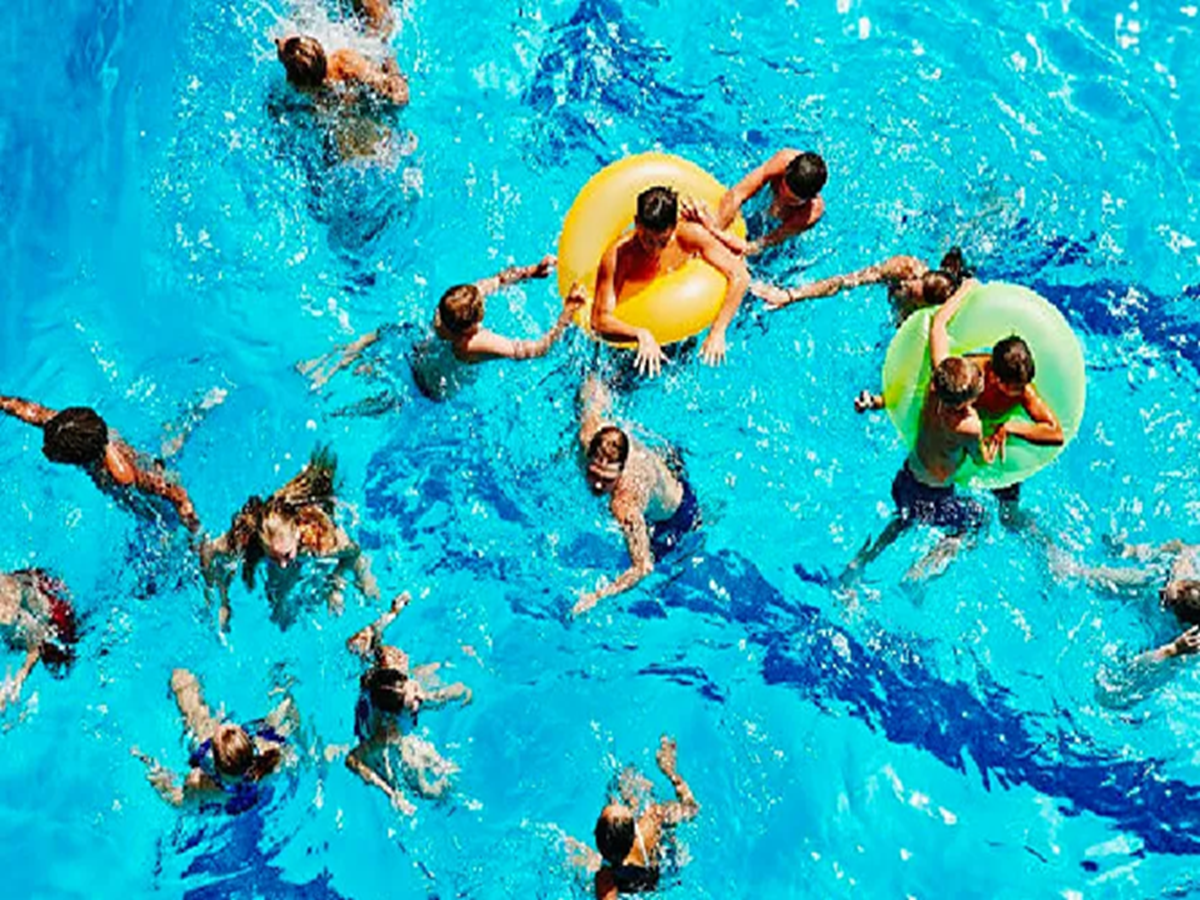
Health Risks of Summer Swimming: During scorching summer heat, people often feel overwhelmed and desperately seek ways to find relief. To cool down during the summer months, many individuals flock to swimming pools, spending hours enjoying themselves. Swimming is also widely regarded as beneficial for one's health. According to health experts, swimming is an excellent form of exercise that is highly effective in improving physical fitness. It engages the entire body and helps keep the body cool. While most people visit swimming pools during the summer, they often overlook certain precautions, which can potentially compromise their health.
Dr. Sonia Rawat, Director of the Department of Preventive Health and Wellness at Sir Ganga Ram Hospital in Delhi, emphasizes that a swimming pool must be clean and hygienic. If the pool water is not properly treated, it can become a breeding ground for bacteria and fungi. Swimming in such water can lead to skin infections, eye irritation, and ear-related issues. Therefore, one should always use pools that are clean and regularly maintained.
According to doctors, people tend to enjoy staying in the pool for extended periods during the summer; however, spending hours in the water can lead to physical fatigue and adversely affect the skin. Prolonged exposure to chlorinated water can cause skin dryness and damage the hair. Consequently, taking intermittent breaks is considered essential. After swimming, it is imperative to rinse the body thoroughly with clean water. If the chlorine and chemicals present in pool water remain on the body for too long, the risk of skin dryness and allergic reactions increases. It is advisable to shower with a mild soap and clean water after swimming.
According to experts, protection against the harsh sun is vital when swimming in outdoor pools. Prolonged exposure to direct sunlight can lead to sunburn and dehydration. It is considered essential to drink an adequate amount of water both before and after swimming. If one experiences excessive fatigue, dizziness, or weakness, one should immediately stop and rest. Furthermore, one should avoid swimming on an empty stomach or immediately after consuming a heavy meal. Swimming on an empty stomach can lead to weakness or dizziness, whereas entering the water after a heavy meal may cause stomach cramps or discomfort. It is advisable to wait for some time after eating before going for a swim.

Dr. Rawat explicitly stated that if children are swimming, their supervision is essential. Young children should never be left unattended in the pool. It is considered crucial to ensure they wear clean swimming gear and are thoroughly cleaned up after their swim. One must exercise absolutely no negligence when it comes to children and should ensure they swim only in designated children's pools. While swimming can be a fantastic way to keep the body active and cool during the summer, negligence can turn it into a health hazard. By observing a few simple precautions, one can safely enjoy the pleasures of swimming.
PC Social Media