LIFESTYLE
Independence Day 2026: These historic cities associated with freedom fighters still tell the story of independence today..
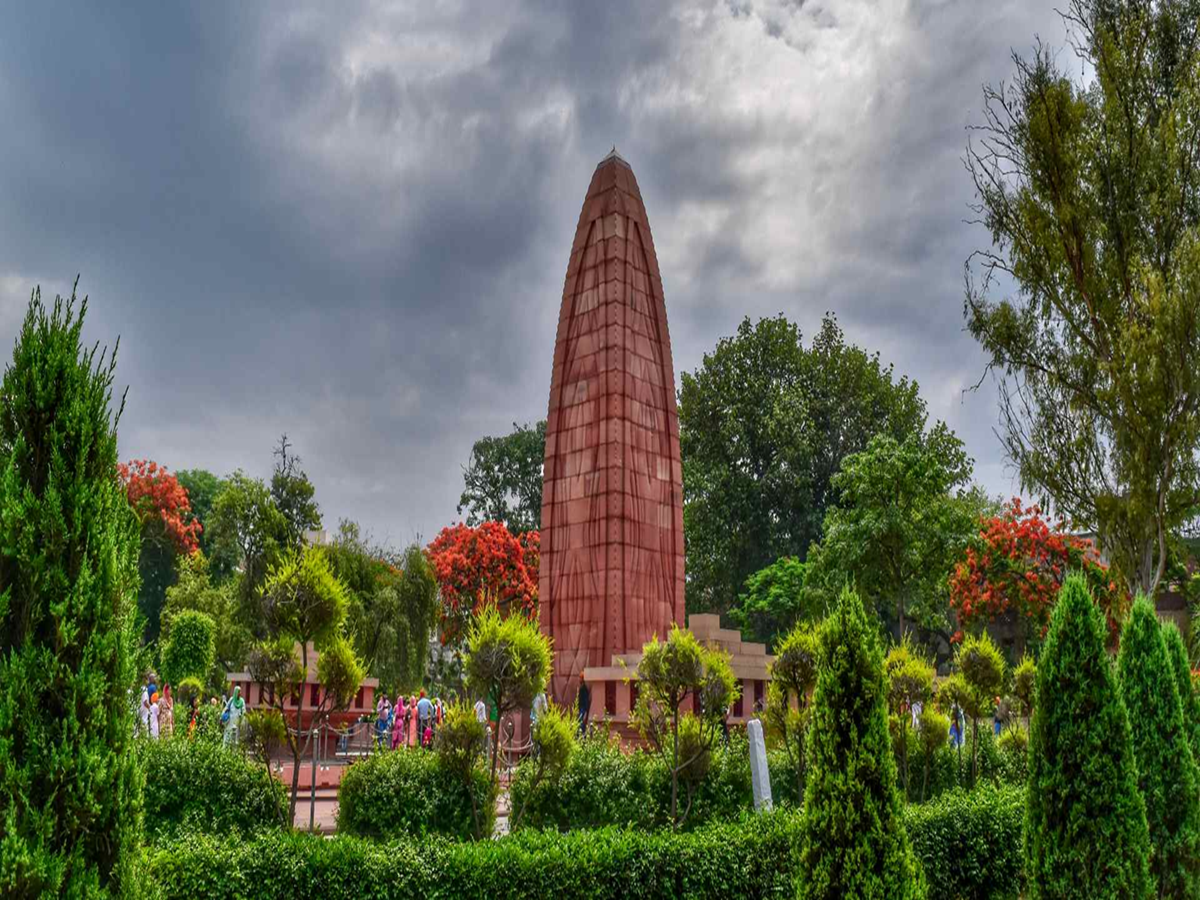
Sites of India's Freedom Struggle: The story of India's independence is intertwined with various dates and movements. Cities and towns across the country still bear witness to the events where freedom fighters raised their voices against British rule, spearheaded movements, and sacrificed everything for the nation.
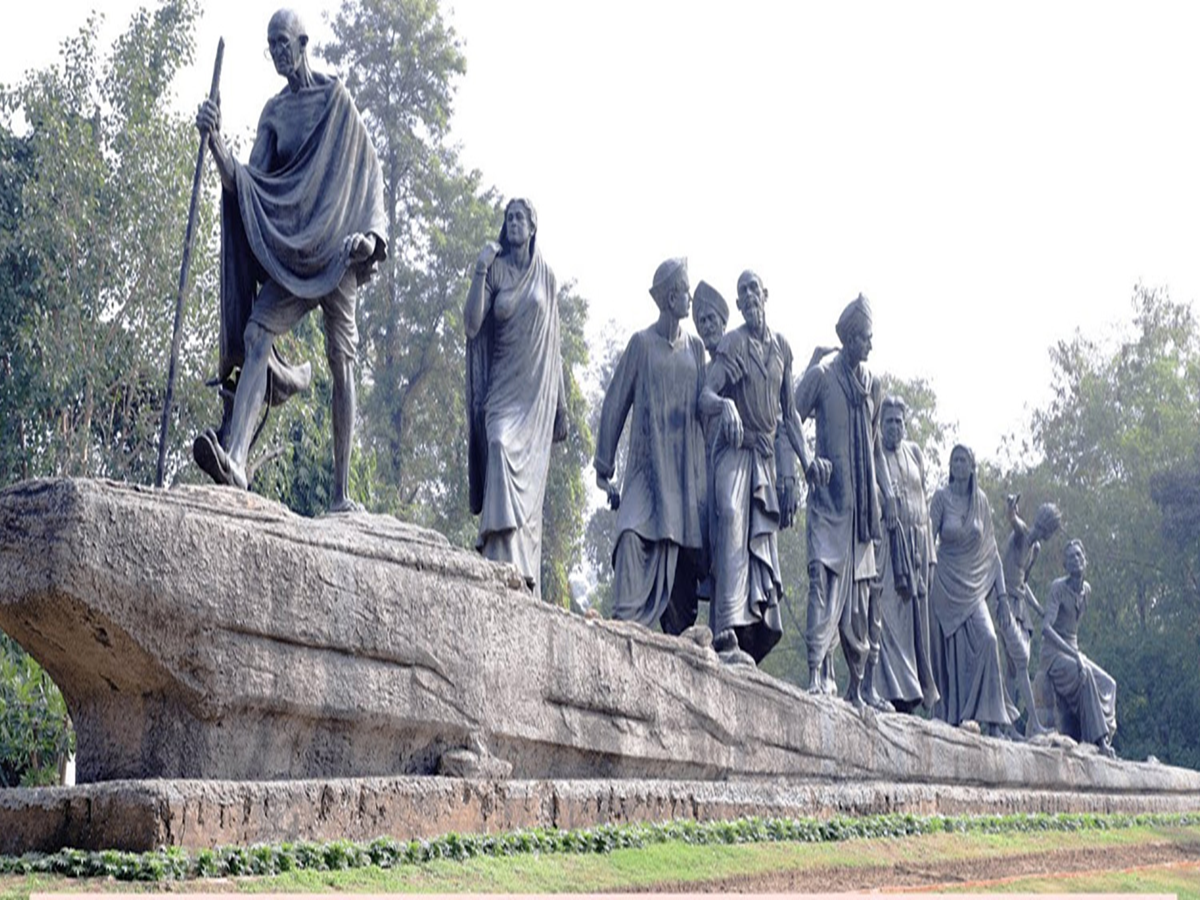
While the spark of the 1857 Revolution was ignited on the soil of Meerut, Delhi saw this uprising evolve into a major political focal point. Jhansi became synonymous with the indomitable courage of Rani Lakshmibai, whereas Lucknow remained deeply connected to Begum Hazrat Mahal and the struggles of 1857. Prayagraj preserves the memories of prominent figures associated with the freedom movement, such as Chandrashekhar Azad and the Nehru family. Meanwhile, Champaran became a crucial site for Mahatma Gandhi's *Satyagraha*, and Ahmedabad's Sabarmati Ashram was linked to several decisive chapters of the freedom movement.
Visiting these cities offers more than just tourism; it provides an opportunity to experience history up close. The forts, monuments, ashrams, museums, and historical sites found in these locations tell the present generation just how long and arduous the journey to independence was.
Meerut: The Spark of the 1857 Revolution
Meerut must certainly be mentioned when discussing India's freedom struggle. On May 10, 1857, Indian soldiers revolted in Meerut—an event regarded as the primary starting point of the widespread 1857 uprising. Following this, the rebellious soldiers marched towards Delhi, where Bahadur Shah Zafar was acknowledged as their leader. The Meerut district administration also highlights the city's role as the significant starting point of the 1857 conflict.
Today, sites in Meerut such as the *Shaheed Smarak* (Martyrs' Memorial) and the Government Freedom Struggle Museum preserve memories of that era. The museum displays photographs, postage stamps, postcards, and other artifacts related to the events of 1857 and the broader freedom struggle.
Jhansi: Synonymous with the Valor of Rani Lakshmibai
The city of Jhansi, located in the Bundelkhand region, is associated with the heroic Rani Lakshmibai, a prominent figure of the freedom struggle. During the 1857 uprising, Jhansi emerged as a major center of resistance against British rule. The city's historic Jhansi Fort still serves as a reminder of that struggle and the Queen's courage. According to the Uttar Pradesh government, Jhansi Fort was a key center of resistance against British colonial rule during the 1857 uprising.
The historic sites within the fort and the heritage of Bundelkhand make this city special for history enthusiasts. Visiting here offers more than just the experience of seeing a fort; it allows one to visualize the era of 1857, when Jhansi stood firm against British authority.
Lucknow: Begum Hazrat Mahal and the Struggle of 1857
Lucknow, the capital of Awadh, also holds a significant place in the history of the freedom movement. During the 1857 uprising, Begum Hazrat Mahal played a pivotal role in the resistance against British rule. Memories of the political and military upheavals of that era are still visible in Lucknow's historic sites. Recent historical discourse has also highlighted Begum Hazrat Mahal's contribution as a crucial chapter in the struggle of 1857.
What makes Lucknow unique is that history here is not confined to monuments alone but is also reflected in the city's old buildings, lanes, and cultural heritage. While visiting sites linked to 1857, tourists can gain a close understanding of both the freedom struggle and the rich culture of Awadh.
Delhi: From the Revolution to the Threshold of Independence
Delhi witnessed many significant chapters of the freedom struggle. During the 1857 uprising, soldiers arriving from Meerut reached Delhi and made Bahadur Shah Zafar the symbol of their leadership. Consequently, Delhi emerged as a major political center of the rebellion.
Delhi retained its importance throughout the various subsequent phases of the freedom movement. The historic moments associated with the Red Fort during the birth of independent India in 1947 transformed it into a vital symbol of the nation's memory of freedom. Thus, sites like the Red Fort are not merely tourist attractions; they serve as a window into understanding India's political history and its journey to independence.
Champaran, Prayagraj, and Ahmedabad: Distinct Currents of the Movement
The story of the freedom struggle was not limited to 1857 alone. Champaran in Bihar was a significant region associated with Mahatma Gandhi's *Satyagraha*, while Prayagraj has been linked to several key leaders and events of the freedom movement. The memory of Chandrashekhar Azad and the history associated with the Nehru family make Prayagraj a significant site for the study of the freedom movement.
PC Social Media