LIFESTYLE
Intermittent Fasting: Will fasting lead to weight loss or harm your health? Understand what intermittent fasting is here..

Benefits of Intermittent Fasting: Intermittent fasting has become a highly popular trend in the world of fitness and weight loss today. You have likely heard of it, but do you know how it actually works and what its pros and cons are?

In reality, intermittent fasting is not a diet but an eating pattern where a person fasts for a certain period and eats within a specific time window. This method can help improve metabolism, aid in weight loss, and enhance overall health. However, it may not be equally beneficial for everyone.
Adopting it incorrectly can lead to weakness, fatigue, and other health issues. Therefore, it is crucial to understand the right way to do it. Let us explore its benefits, drawbacks, and the correct approach in detail.
First, understand the benefits and drawbacks of intermittent fasting.
Benefits
Helps with weight loss
Improves metabolism
Can enhance insulin sensitivity
Supports the body's detoxification process
Can boost energy levels and focus
Drawbacks
May cause weakness and fatigue initially
Can lead to headaches and irritability
Risk of overeating after prolonged fasting
Not suitable for everyone
The right way to practice intermittent fasting
Adopting intermittent fasting correctly is essential, as doing it the wrong way can have negative effects on the body. It is not merely an eating pattern but a lifestyle change that should be adopted gradually.
1. Start with the 16:8 or 14:10 pattern
The most popular method of intermittent fasting is the 16:8 pattern, where you fast for 16 hours and eat within an 8-hour window. Beginners can start with the 14:10 pattern to allow the body to gradually adjust to this change. Suddenly undertaking a long fast can lead to weakness, dizziness, and fatigue; therefore, it is advisable to gradually increase the duration.
2. Consume water and herbal tea during the fast
Keeping the body hydrated during fasting is crucial. You should drink adequate water to prevent dehydration. Additionally, you can consume unsweetened herbal tea or black coffee, which helps control hunger and keep the metabolism active.
3. Avoid junk food
The food you eat after fasting has the most significant impact on your body. Consuming junk food, fried items, or a high-sugar diet can diminish the benefits of intermittent fasting. Therefore, maintaining a healthy and balanced diet is essential.
4. Consume a balanced and nutritious diet
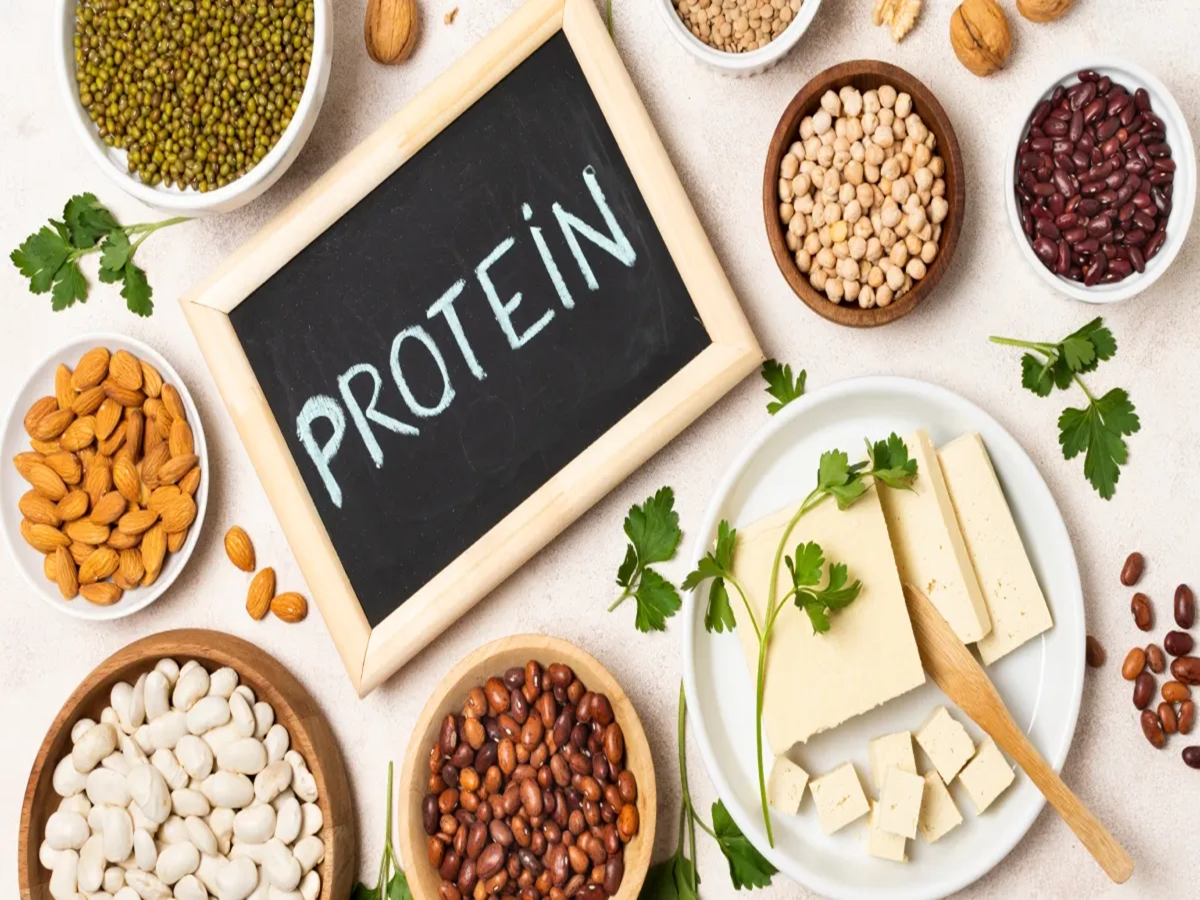
During the eating window, you should consume meals rich in protein, fiber, healthy fats, and essential vitamins. Including green vegetables, fruits, lentils, nuts, and whole grains in your diet provides the body with sufficient energy and prevents feelings of weakness.
PC Social Media