LIFESTYLE
Is it auspicious or inauspicious to bring home the ashes after the burning of Ravana? Find out what tradition says..
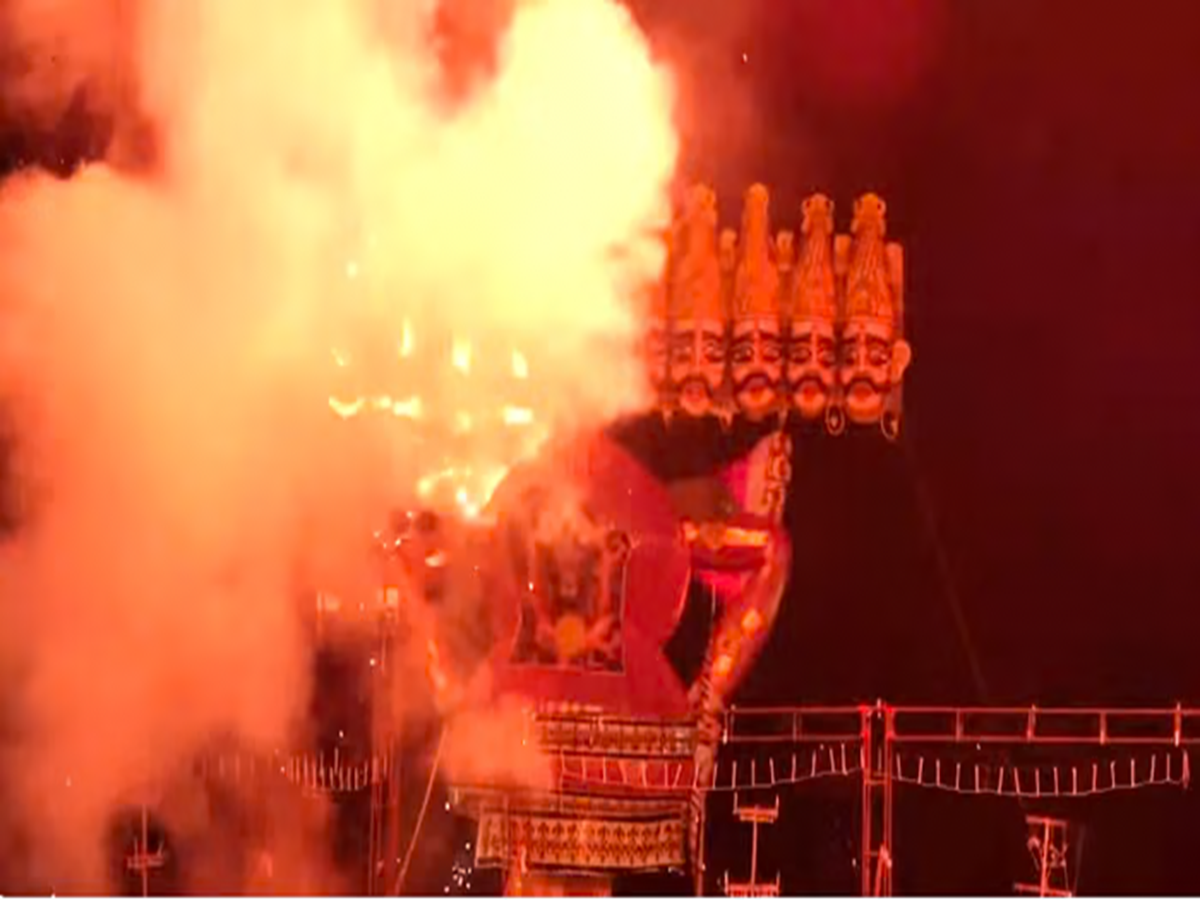
The festival of Dussehra, or Vijayadashami, will be celebrated on Tuesday, October 20th. On this day, the effigy of Ravana is burnt across the country. According to religious belief, this festival symbolizes the victory of good over evil. Large crowds gather to witness the burning of the effigy, and some people even collect the ashes that remain afterward. But is it considered auspicious to keep the ashes from the burning of Ravana’s effigy in one’s home? Let us explore the beliefs surrounding this and what one should keep in mind regarding these ashes.
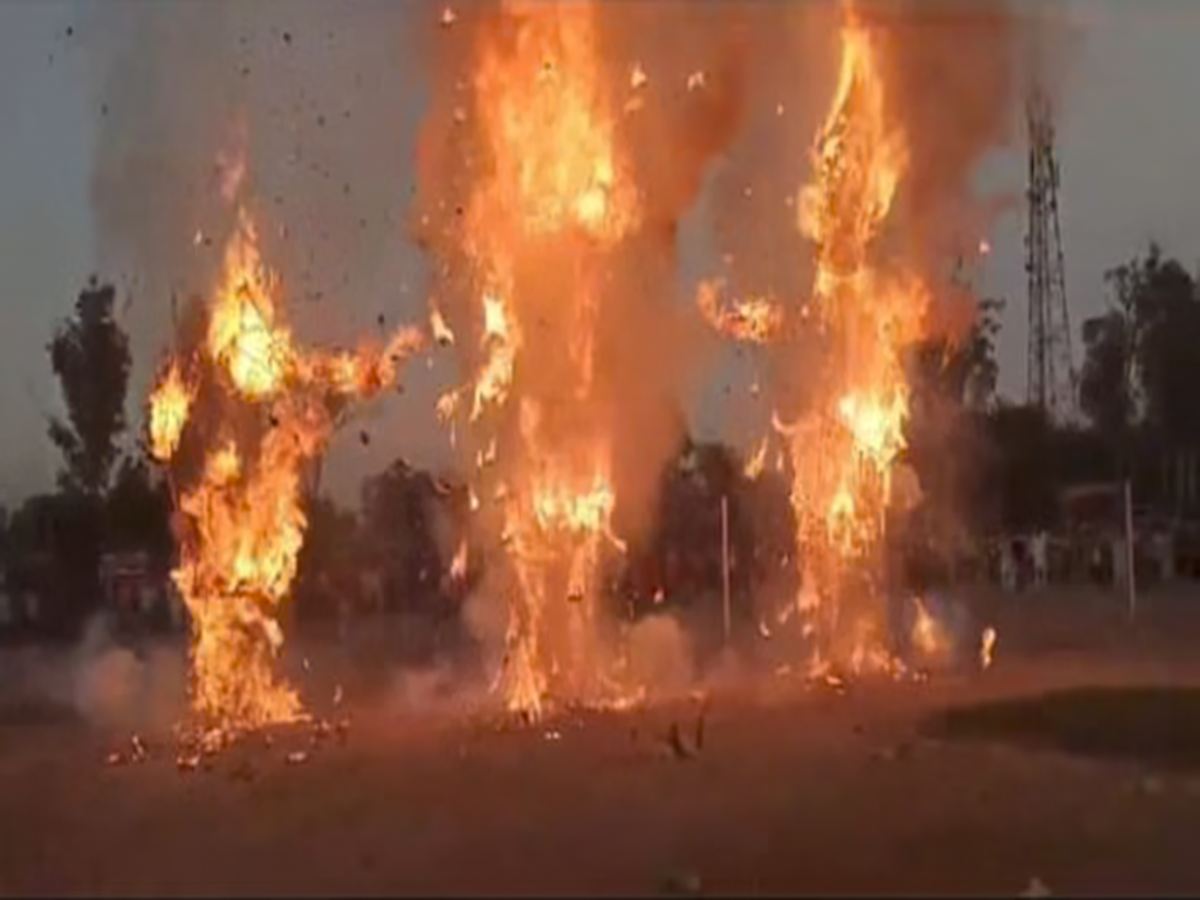
What are the beliefs regarding the ashes left after the burning of Ravana’s effigy?
In religious tradition, Ravana is considered a symbol of ego, unrighteousness (adharma), and evil. Burning his effigy on Dussehra conveys the message of the triumph of good over evil. For this reason, some religious beliefs advise against bringing the ashes left after the burning of Ravana’s effigy into one’s home. However, there is no scientific evidence to suggest that keeping these ashes at home brings misfortune or disrupts the peace and happiness of a family. Beliefs vary across different regions and traditions; therefore, such notions should be understood as matters of religious faith rather than as definitive, inevitable outcomes.
Should the ashes from the burning of Ravana’s effigy be kept at home or in a place of worship?
According to certain beliefs, the ashes remaining after the burning of Ravana’s effigy should not be kept or preserved in one’s home or place of worship. The core message of Dussehra is to abandon negative tendencies and embrace virtuous conduct. Consequently, many people choose to leave the ashes at the site where the effigy was burnt, rather than bringing them home. There is no single, universally accepted religious rule regarding these ashes that applies to everyone or every tradition. Therefore, there is no need to feel anxious or fearful of any untoward consequences. What should you do if ash from the 'Ravan Dahan' (burning of the Ravan effigy) accidentally ends up in your home?
Keep the ash out of reach of children and pets.
Avoid touching the ash directly with your hands; use gloves or an appropriate tool if necessary.
Do not scatter the ash on roads, in open spaces, or near water sources.
Avoid disposing of it in rivers or ponds, as the materials used in the effigy could harm the environment.
Dispose of the ash in accordance with local waste management regulations.
If the ash contains plastic, paint, or other synthetic materials, it is better to dispose of it properly rather than burying it in the soil.
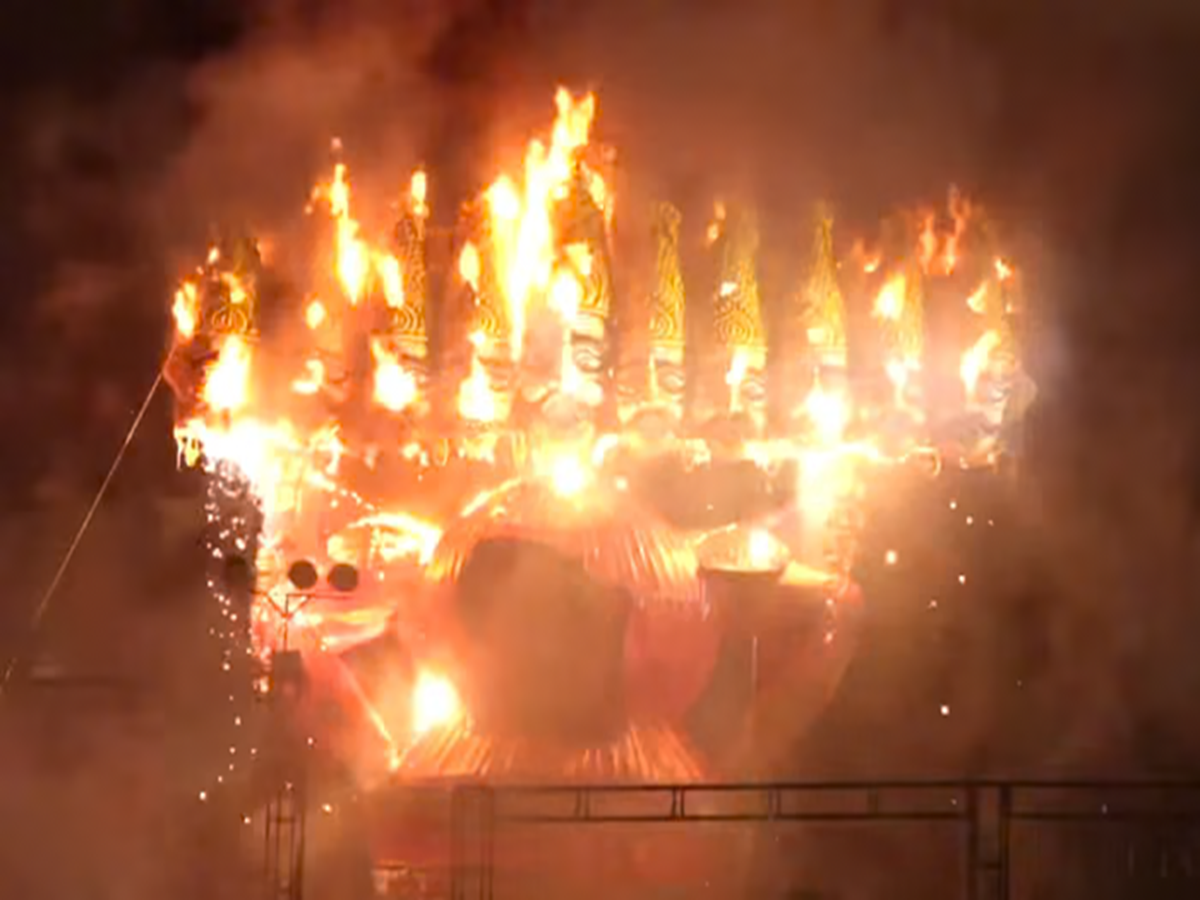
What should you keep in mind after the 'Ravan Dahan'?
Dussehra signifies the victory of good over evil and carries the message of letting go of the ego, anger, and negative thoughts within oneself. Instead of feeling fearful about the ash left behind after the 'Ravan Dahan', one should focus on the true significance of the festival. While respecting religious beliefs, it is also important to remain mindful of cleanliness, health, and the environment.
PC Social Media